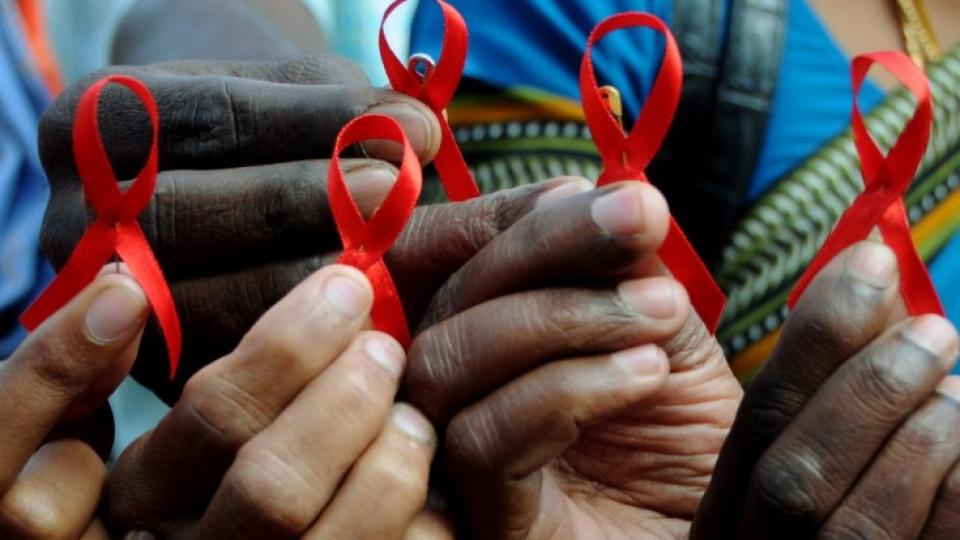
The world marks International Zero Discrimination Day on March 1st, a date championed by the United Nations and, crucially, by UNAIDS, the Joint United Nations Programme on HIV/AIDS. This year’s observance shines a spotlight on a persistent obstacle in the fight against the HIV epidemic: the pervasive stigma and discrimination faced by people living with HIV globally. Despite decades of progress in medical treatment and increased awareness, a staggering 85% of people living with HIV report experiencing internalized stigma, highlighting the deeply entrenched nature of the problem.
This stigma isn’t merely a matter of social discomfort; it actively hinders public health efforts. It manifests in everyday interactions, impacting access to healthcare, employment, and education, and ultimately undermining the effectiveness of interventions designed to control and ultimately end the HIV epidemic. The consequences are far-reaching, extending beyond individual well-being to impede collective progress towards global health goals. According to UNAIDS, nearly one in four people living with HIV have experienced discrimination when seeking healthcare for conditions unrelated to HIV, eroding trust in healthcare systems and preventing individuals from accessing essential services.
The Enduring Scourge of Discrimination
The impact of stigma extends beyond healthcare settings. UNAIDS’s recent reporting indicates that 24% of people living with HIV have faced discrimination within their communities, ranging from social exclusion and verbal harassment to deeply ingrained prejudices. This societal rejection forces many to internalize shame and fear, leading them to conceal their status or interrupt treatment—a dangerous decision driven by the anticipation of judgment or ostracism. This self-stigma is a significant barrier to achieving the ambitious global goal of eradicating AIDS as a public health threat by 2030.
The roots of HIV-related stigma are complex, stemming from misinformation, fear, and deeply held societal biases. Historically, the association of HIV with marginalized communities and behaviors fueled prejudice and discrimination. Although understanding of the virus has evolved, these ingrained biases persist, often manifesting in subtle but damaging ways. The stigma surrounding HIV is not simply a matter of individual attitudes; It’s embedded in systemic structures and policies that perpetuate inequality and limit access to resources for those affected.
The creation of UNAIDS in December 1995, coordinating the efforts of eleven UN agencies, was a direct response to the growing global crisis and the need for a unified, comprehensive approach. As detailed by the World Health Organization, prior to UNAIDS, the WHO held primary responsibility for managing the AIDS epidemic within the UN system. The establishment of UNAIDS, headquartered in Pregny-Chambésy, Switzerland, marked a pivotal moment in the global response, signaling a commitment to collaborative action and a focus on addressing the multifaceted challenges posed by HIV/AIDS. Currently, Winnie Byanyima of Uganda serves as the Executive Director of UNAIDS, having assumed the role on November 1, 2019.
The Impact of Funding and Political Shifts
The fight against HIV/AIDS is not immune to political and economic pressures. Recent concerns have been raised regarding potential setbacks due to shifts in funding. In February 2025, reports indicated that the withdrawal of US funding from UNAIDS, coupled with similar actions by Elon Musk, could have devastating consequences for global HIV/AIDS efforts. This potential funding gap threatens to undermine decades of progress and jeopardize the lives of millions, particularly in regions heavily reliant on US support for prevention, treatment, and research. The situation underscores the vulnerability of global health initiatives to political instability and the importance of sustained, diversified funding streams.
The impact of reduced funding extends beyond direct service provision. It also affects critical research initiatives aimed at developing new prevention tools, improving treatment regimens, and ultimately finding a cure for HIV. Diminished resources can weaken healthcare systems in affected countries, hindering their ability to respond effectively to the epidemic and exacerbating existing inequalities. The potential consequences are particularly concerning in the context of co-infections, such as tuberculosis, which often disproportionately affects individuals with compromised immune systems.
Addressing Stigma Through Education and Advocacy
Combating HIV-related stigma requires a multifaceted approach that addresses both individual attitudes and systemic barriers. Education plays a crucial role in dispelling misinformation and promoting understanding. Comprehensive sex education programs that provide accurate information about HIV transmission, prevention, and treatment are essential, particularly for young people. These programs should also address issues of gender equality, sexual orientation, and human rights, challenging discriminatory norms and promoting inclusivity.
Advocacy efforts are equally vital in challenging discriminatory laws and policies. Many countries still have laws that criminalize HIV transmission or discriminate against people living with HIV in areas such as employment, housing, and healthcare. These laws not only violate human rights but also create a climate of fear and silence, discouraging people from seeking testing and treatment. Organizations like UNAIDS are actively working to advocate for the repeal of discriminatory laws and the adoption of policies that protect the rights of people living with HIV. The organization emphasizes that achieving the elimination of HIV will be impossible without tackling discrimination in all its forms.
Beyond legal and policy changes, fostering a culture of empathy and acceptance is paramount. This requires challenging societal norms that perpetuate stigma and promoting positive narratives about people living with HIV. Sharing personal stories, amplifying the voices of affected communities, and celebrating the resilience of individuals living with HIV can help to break down barriers and create a more inclusive society. The power of storytelling lies in its ability to humanize the epidemic and challenge preconceived notions.
The ongoing commitment to research and innovation remains vital. While there is currently no cure for HIV, significant advances have been made in the development of antiretroviral therapy (ART), which can effectively suppress the virus and prevent transmission. Continued investment in research is essential to develop even more effective treatments, including long-acting injectable ART and potential curative therapies. The pursuit of a cure is not only a scientific imperative but also a moral one, offering hope for a future free from the burden of HIV.
As the world strives to achieve the Sustainable Development Goals, including the commitment to end the AIDS epidemic by 2030, addressing the issue of stigma and discrimination is more critical than ever. UNAIDS continues to call for renewed efforts in care, perceptions, the protection of human rights, and greater inclusion. The organization’s work is guided by the principles of human rights, gender equality, and evidence-based approaches, recognizing that a truly effective response to HIV must be rooted in social justice and equity.
The next major milestone in the global fight against HIV/AIDS will be the release of the UNAIDS Global AIDS Update in July 2025, providing a comprehensive assessment of the epidemic and outlining progress towards achieving the 2030 goals. This report will serve as a crucial benchmark for evaluating the effectiveness of current strategies and identifying areas where renewed efforts are needed. Readers interested in staying informed about the latest developments in the fight against HIV/AIDS are encouraged to visit the UNAIDS website at http://www.unaids.org/ and to engage in conversations about how to create a more just and equitable world for all.