
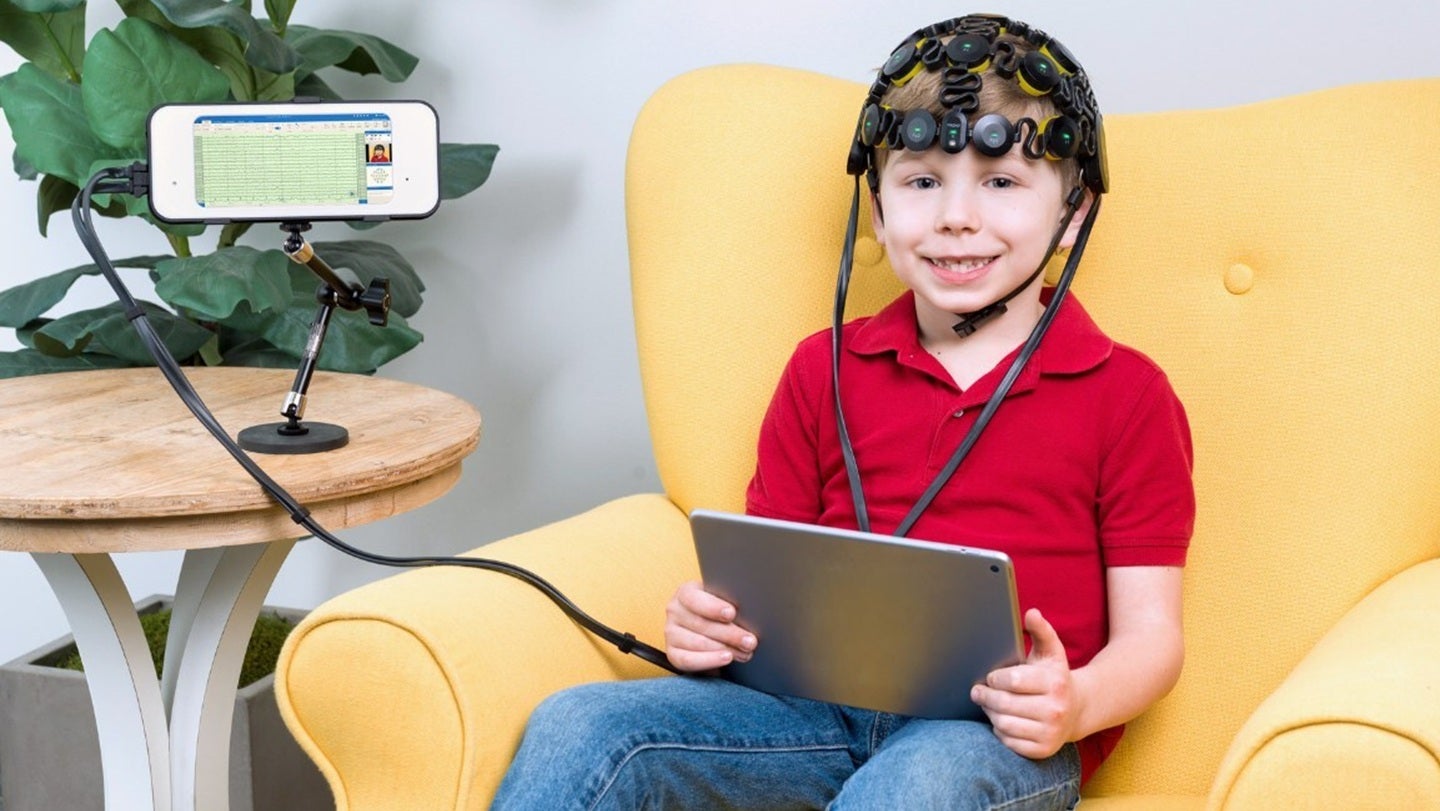
The landscape of neurological diagnostics is shifting toward greater accessibility and efficiency, as evidenced by the latest regulatory milestone for Zeto. The company has officially received FDA 510(k) clearance for its Zeto New Wave™ EEG system, a development aimed at enhancing the delivery of outpatient electroencephalogram services.
For clinicians and patients, this clearance represents a significant step in streamlining how brain activity is monitored outside of a traditional hospital setting. By reducing the friction associated with EEG setup and administration, the Zeto New Wave EEG system is designed to advance the overall efficiency of outpatient neurological care.
This achievement marks a pivotal moment for the company’s growth, as the New Wave system is Zeto’s third device to receive FDA clearance. The expansion of their cleared portfolio suggests a strategic focus on scaling their technology to meet a broader range of clinical needs in the neurodiagnostic space.
Understanding the Impact of FDA 510(k) Clearance
To understand the significance of this announcement, it is helpful to define the regulatory pathway involved. A 510(k) clearance is a process by which the U.S. Food and Drug Administration (FDA) allows a medical device to be marketed if the manufacturer can demonstrate that the device is “substantially equivalent” to a legally marketed predicate device. This ensures that the technology meets established safety and effectiveness standards before it reaches patients.

The clearance of the Zeto New Wave™ system means that the device has met these rigorous federal standards, allowing healthcare providers to integrate the technology into their outpatient workflows with confidence in its regulatory standing. According to reports from PR Newswire
, the system is specifically geared toward advancing efficiency in the outpatient EEG sector.
Why Outpatient EEG Efficiency Matters
Electroencephalograms (EEGs) are critical tools for diagnosing epilepsy, sleep disorders, and other neurological conditions. However, traditional EEG setups can be time-consuming, often requiring significant preparation and limiting the number of patients a clinic can serve in a day. When a system is optimized for “efficiency,” it typically refers to reducing the time required for electrode application and data acquisition without compromising the quality of the signal.
By focusing on the outpatient environment, Zeto is addressing a critical bottleneck in healthcare: the transition of complex diagnostics from the inpatient ward to the clinic or home. This shift not only reduces the burden on hospital infrastructure but as well improves the patient experience by allowing diagnostics to occur in less stressful, more convenient environments.
Zeto’s Growing Portfolio of Neurological Tools
The New Wave system does not exist in a vacuum; it is part of a broader effort by Zeto to modernize neurodiagnostics. As noted in industry reports, this is the third FDA-cleared device in the company’s lineup. This trajectory indicates a commitment to building a comprehensive ecosystem of tools that support neurologists and technicians throughout the diagnostic process.
The ability to secure multiple clearances demonstrates a consistent track record of meeting FDA requirements. For the medical community, a company with a growing list of cleared devices is often viewed as more stable and capable of providing long-term technical support and iterative updates to their hardware and software.
Industry observers, including those at Medical Device Network
, have highlighted the clearance as a key development for the company’s market presence in the EEG space.
Key Takeaways for Healthcare Providers
- Regulatory Status: The Zeto New Wave™ system has officially received FDA 510(k) clearance.
- Primary Application: The device is specifically designed to improve the efficiency of outpatient EEG procedures.
- Company Milestone: This is the third FDA-cleared device developed by Zeto.
- Clinical Goal: The system aims to streamline the diagnostic process for neurological monitoring outside of inpatient settings.
The Path Forward for Neurodiagnostic Innovation
The introduction of the Zeto New Wave EEG system into the clinical market is expected to contribute to the broader trend of “decentralized” diagnostics. As medical technology becomes more portable and efficient, the gap between hospital-grade monitoring and outpatient care continues to close.
For patients, this could mean shorter wait times for critical diagnostic tests and a more comfortable experience. For providers, the ability to conduct more efficient outpatient EEGs may lead to earlier intervention and better management of neurological conditions, as the barrier to obtaining a diagnostic test is lowered.
As Zeto continues to integrate the New Wave system into clinical practice, the industry will be watching to see how these efficiency gains translate into real-world patient outcomes and clinic throughput. The move is further validated by reports from MassDevice
, which confirms the company’s successful push into outpatient EEG technology.
With the regulatory hurdle cleared, the next phase for Zeto will likely involve the commercial rollout and the integration of the New Wave system into neurology clinics across the United States. This will allow clinicians to evaluate the system’s performance in diverse patient populations and various outpatient settings.
We will continue to monitor official filings and company updates regarding the commercial availability and clinical implementation of the Zeto New Wave system. We invite our readers to share their thoughts on the evolution of outpatient diagnostics in the comments below.