
The Italian entertainment industry is in mourning following the news that Zeudi Araya, the iconic actress, model, and producer, has passed away. A figure of immense grace and a trailblazer for diversity in European cinema, Araya’s influence spanned decades, leaving an indelible mark on the landscape of 1970s Italian film. As fans and colleagues reflect on her storied career, we look back at the life and legacy of an artist who brought a unique, sophisticated presence to the screen.
Born in Eritrea, Zeudi Araya arrived in Italy and quickly became a household name, capturing the public’s imagination with her striking beauty and natural talent. Her career was not merely defined by her roles, but by the way she navigated the complexities of the industry during a transformative era in global cinema. While the news of her passing has prompted an outpouring of tributes from across the arts community, it is her contribution to the cultural fabric of Italy that remains her most enduring gift.
A Journey from Eritrea to the Italian Screen
Zeudi Araya’s rise to prominence began in the early 1970s. She first gained significant attention after winning the title of Miss Eritrea in 1969, a platform that eventually led her to Italy. It was there that she caught the eye of filmmakers, making her cinematic debut in the 1973 film La ragazza dalla pelle di luna (The Girl with the Moon-Skin), directed by Luigi Scattini. The film was a significant success, and Araya’s performance catapulted her into the spotlight, establishing her as one of the most recognizable faces in Italian erotic drama and comedy of the period. According to the Treccani Encyclopedia, her ability to convey both vulnerability and strength made her a unique presence in the genre.
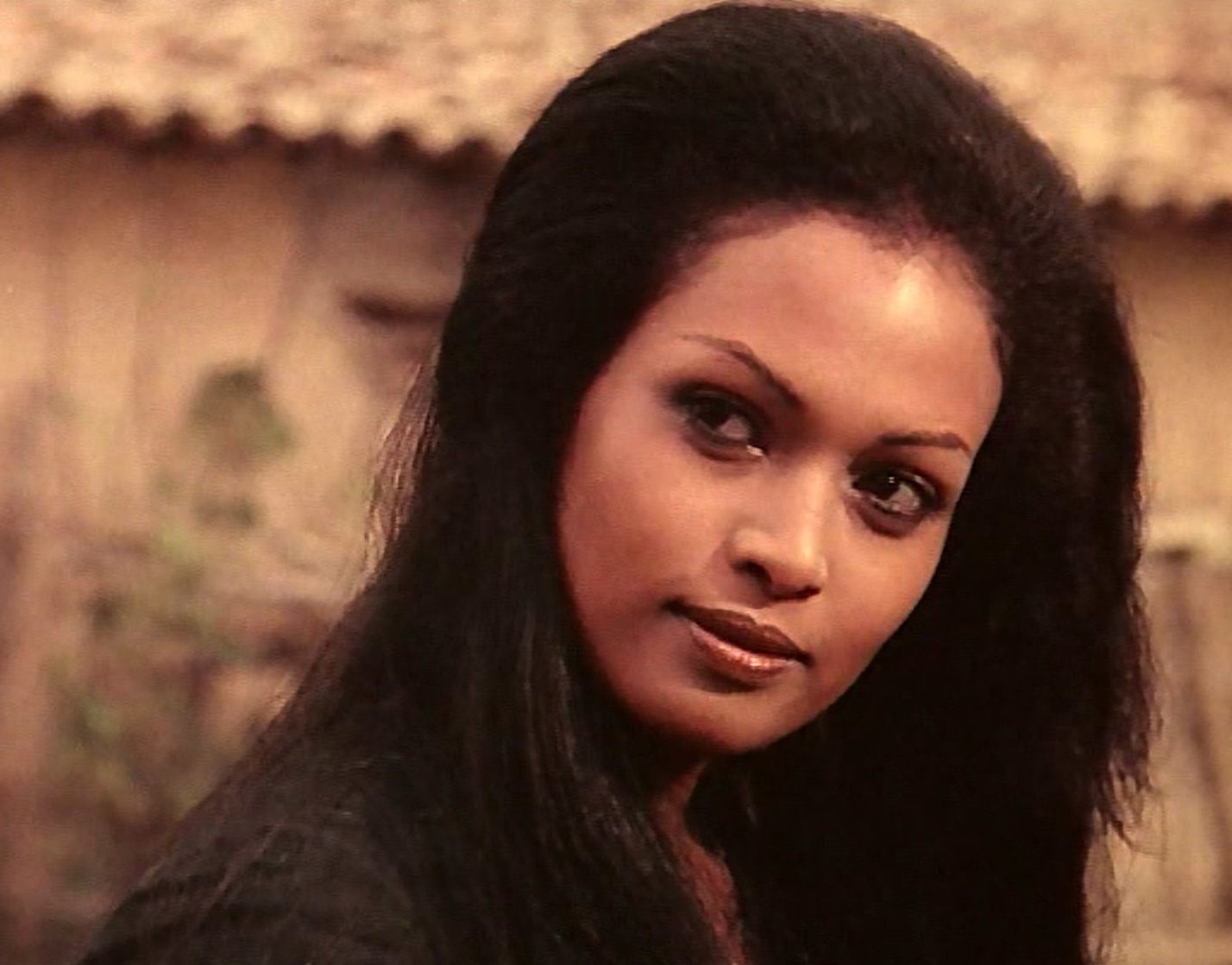

Throughout the 1970s, Araya worked with some of the most notable directors of the time, including Sergio Martino and Marco Ferreri. Her filmography, which includes titles such as Il corpo (1974) and La preda (1974), showcased a performer who was willing to challenge conventions. Unlike many of her contemporaries, Araya maintained a sense of reserved elegance, a trait that became a hallmark of her public persona and helped her transition from a “sex symbol” to a respected figure in the broader Italian media landscape. Her work remains a subject of study for those interested in the evolution of representation in European media during the 20th century.
Transitioning to Production and Legacy
As her acting career evolved, Araya shifted her focus toward production, demonstrating a keen eye for storytelling and industry management. Partnering with her longtime companion, the late producer Massimo Cristaldi, she became an instrumental force behind several critically acclaimed projects. Her work behind the camera allowed her to support the vision of directors and writers, ensuring that the legacy of high-quality Italian cinema continued to thrive well into the late 20th and early 21st centuries. Her production credits reflect a commitment to the craft that bridged the gap between the golden age of Italian film and the modern era.
Araya’s life in Italy was also marked by her long-term relationship with Cristaldi, the son of the legendary producer Franco Cristaldi. Together, they were a powerhouse duo in the Roman film scene. Following Cristaldi’s passing in 2022, Araya had largely withdrawn from the public eye, focusing on her private life. Her career stands as a testament to the power of cross-cultural influence; she did not just participate in Italian cinema—she helped define its aesthetic and its reach during a period of rapid social change.
The Cultural Impact of Zeudi Araya
In assessing Araya’s influence, it is essential to recognize the barriers she broke. As a Black woman in the Italian film industry during the 1970s, she navigated a space that was often homogenous. Her success paved the way for future generations of actors of African descent to find representation in European media. Her elegance, intelligence, and poise allowed her to transcend the often-limiting roles offered to women of color at the time, turning her into an icon of style and sophistication that resonated far beyond the borders of Italy.

For many, Zeudi Araya was more than just an actress; she was a symbol of a changing Italy. Her legacy is one of resilience and grace. In an era before social media, she maintained a level of mystique that is rare in today’s hyper-exposed celebrity culture. Her ability to pivot from acting to production—and to maintain a career that spanned over four decades—is a testament to her professional acumen and her deep understanding of the medium of film.
Remembering a Cinematic Icon
The tributes currently circulating online underscore the deep affection the Italian public held for Araya. From colleagues who worked with her on set to critics who analyzed her performances, the consensus is one of profound respect for a life well-lived. While she may have stepped away from the limelight in her later years, her impact on the history of Italian cinema is permanent. Her films continue to be screened at retrospectives, reminding new generations of the charm and magnetism that first made her a star.
As the industry processes this loss, the focus remains on celebrating the body of work she left behind. Whether through her early breakout roles or her later contributions as a producer, Zeudi Araya remains a vital part of the history of world cinema. Her journey from Asmara to Rome, and her eventual place in the pantheon of Italian cultural figures, is a story of ambition, talent, and an enduring, quiet power.
For those looking to explore her work, many of her classic films are available through international cinema archives and digital platforms specializing in 1970s Italian genre cinema. These films serve as a living record of a woman who, in her own words and actions, helped shape the screen culture of a generation. We honor her memory and the legacy of a truly remarkable life.
As of this reporting, there have been no further public statements from her family regarding memorial services. We will continue to monitor official reports for any updates regarding public commemorations of her life and career. We invite our readers to share their favorite memories or films of Zeudi Araya in the comments section below.
Keep reading