The Uneven playing Field: How Foreign Investment Impacts Local Businesses in Zimbabwe and Beyond
Foreign investment is often touted as a catalyst for economic growth. However, a closer look reveals a complex reality, particularly in developing nations like Zimbabwe. While offering potential benefits, unchecked foreign investment can inadvertently stifle local businesses, creating an uneven playing field and hindering sustainable advancement. This article delves into the challenges faced by Zimbabwean companies, alongside examples from Zambia, Sri Lanka, and Vietnam, and explores why robust regulation and enforcement are crucial for a truly equitable economic landscape.
The Zimbabwe Experience: A Systemic Disadvantage
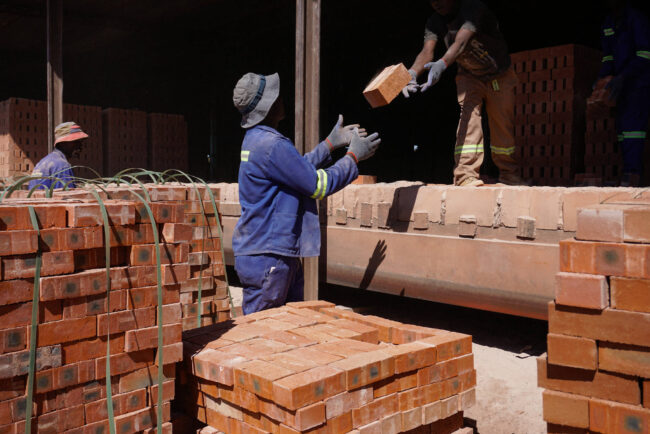
For decades, zimbabwe’s economy has struggled with fragility and high unemployment. Recent years have seen an influx of foreign investment, but the benefits aren’t being shared equally. Henry, a 25-year veteran of Willdale Bricks, voices a common concern: the lack of consistent and enforced regulations.
“Before a foreign business sets up, there should be strict rules in place and enforcement to match,” he explains, requesting anonymity for fear of job security. “But that rarely happens.”
This lack of oversight manifests in several ways:
* Unregistered Operations: Some foreign companies operate without formal registration, sidestepping legal obligations.
* Double Standards in Enforcement: Local businesses face rigorous scrutiny regarding taxes and regulations, while foreign investors often receive preferential treatment.
* Currency challenges: Zimbabwean businesses are compelled to accept a local currency plagued by devaluation, further eroding their profitability.
Stanley, another Zimbabwean employee, echoes this sentiment. Foreign companies bypass the requirements that weigh down local producers, making it incredibly challenging to compete. This isn’t simply about fairness; it’s about survival.
The Competitive Disadvantages: Technology, Capacity, and Price
Beyond regulatory imbalances, foreign companies often possess inherent advantages:
* Superior Technology: Access to cutting-edge technology allows for greater efficiency and higher-quality products.
* Greater Production Capacity: Larger-scale operations translate to lower production costs and increased output.
* Pricing Power: The combination of these factors often enables foreign firms to undercut local prices, driving domestic businesses into hardship.
These advantages aren’t necessarily negative in isolation. However, without a level playing field, they create an unsustainable competitive dynamic.
A Global Pattern: Case studies from Across the Continent and Asia
Zimbabwe’s struggles aren’t unique. Similar patterns are emerging across the globe:
* zambia: Chinese enterprises dominate the mining and retail sectors, frequently enough employing aggressive pricing strategies that disadvantage local entrepreneurs, according to 2018 research from the International Institute for Environment and Development.
* Sri Lanka: The Chinese-funded Hambantota Port project, detailed in a 2023 report by the International Collective in Support for Fishworkers, has disrupted traditional fishing livelihoods. Large-scale operations encroach on local fishing grounds, limiting access for Sri Lankan fishermen.
* Vietnam: A 2017 report from the Harbin Engineering University’s School of Economics and Management highlights how Chinese manufacturing in textiles and electronics has displaced smaller Vietnamese producers. Lower prices and greater production capacity have proven difficult for local firms to overcome.
These examples demonstrate a recurring theme: unchecked foreign investment can lead to the erosion of local industries and livelihoods.
The Human Cost: Economic Insecurity and the Search for Alternatives
The consequences of this imbalance are deeply personal. Both Stanley and Henry have been forced to seek supplemental income to make ends meet, as their salaries haven’t kept pace with the economic realities.
Henry poignantly reflects on the changing landscape: “In the past, working at Willdale was something to be proud of.Now, even informal vendors seem better off. We are in a dire state.”
This underscores a critical point: economic growth must be inclusive to be sustainable.
What Needs to Change: Towards a More Equitable Future
Addressing this issue requires a multi-faceted approach focused on strengthening regulatory frameworks and ensuring consistent enforcement. Here’s what’s essential:
- Pre-Investment Scrutiny: Implement rigorous due diligence processes before approving foreign investments,assessing potential impacts on local businesses.
- obvious Regulations: Establish clear, publicly accessible regulations governing foreign investment, covering taxation, labor practices, and environmental standards.
- Consistent Enforcement: Apply regulations equally to both foreign and domestic businesses,eliminating preferential treatment
Related reading