
Zimbabwe has implemented a significant shift in its mining regulatory framework, officially reserving the small-scale gold mining sector exclusively for its own citizens. This policy change, which took effect immediately, marks a deliberate effort by the government to prioritize local participation and address long-standing challenges within the industry, including environmental concerns and regulatory oversight.
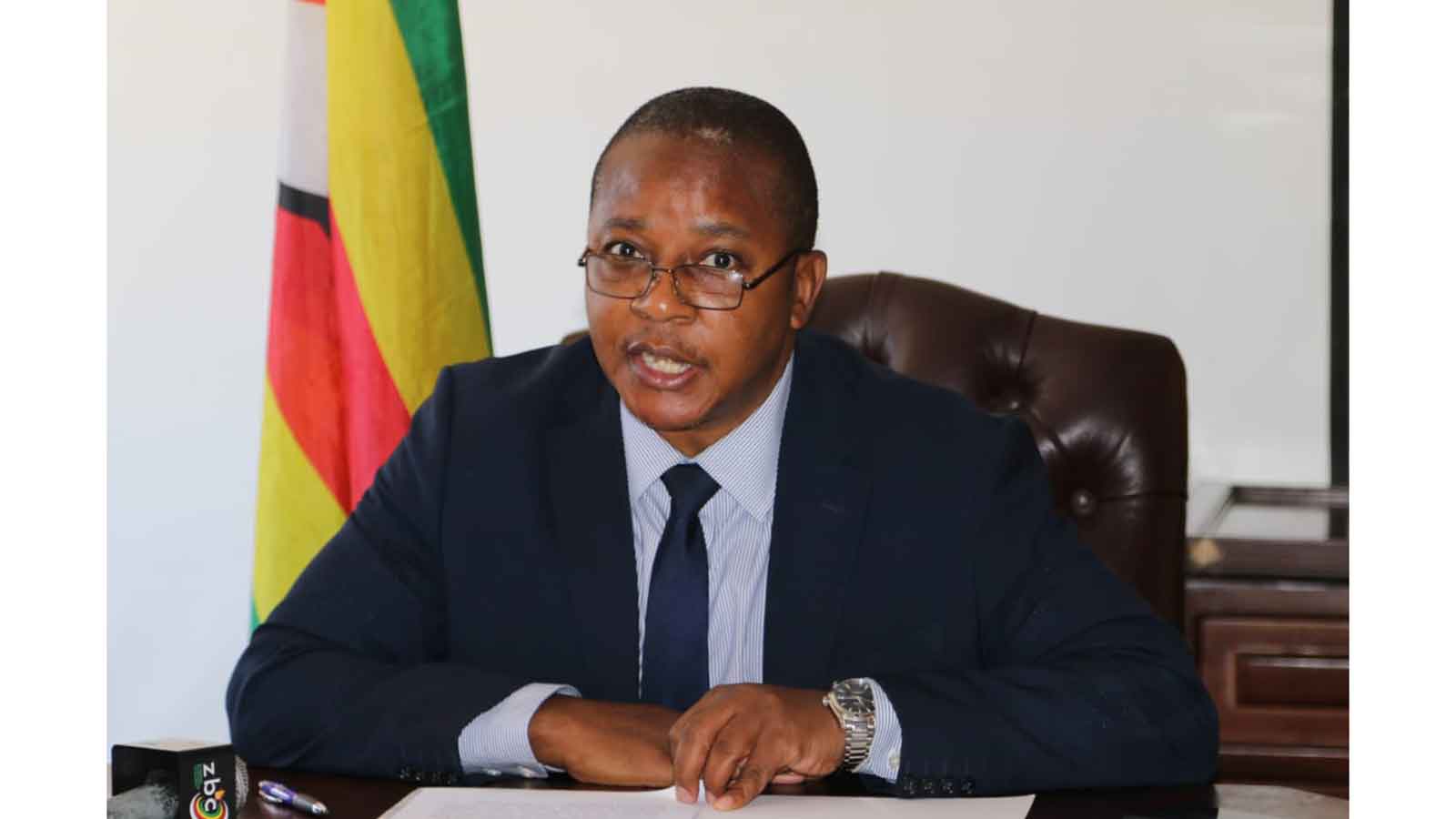
The announcement, delivered by the Minister of Mines and Mining Development, Polite Kambamura, signals a move toward tightening control over the nation’s mineral wealth. By restricting access to small-scale gold mining, the government aims to ensure that the economic benefits of these operations remain within the country, while simultaneously working to formalize a sector that has often been characterized by informal or irregular activities.
Strengthening Local Empowerment and Regulatory Compliance
The decision to exclude foreign entities from small-scale gold mining is framed by authorities as a necessary step to bolster citizen empowerment. According to the Ministry of Mines and Mining Development, the policy is designed to mitigate issues that have historically plagued the sector, such as environmental degradation and complex disputes between foreign-linked operators, local mining communities, and agricultural stakeholders. The government has identified a trend of proxy ownership structures, where foreign interests have utilized local partnerships to maintain control over operations that were intended to be reserved for the domestic population.
Under the new directive, the small-scale gold mining sector is now reserved exclusively for Zimbabwean citizens and entities that are wholly owned by Zimbabwean citizens. This move is expected to improve accountability and streamline the regulatory environment, as the government seeks to curb unsustainable mining practices that have drawn criticism from local residents and environmental advocates.
Addressing Industry Challenges
The small-scale mining sector in Zimbabwe has long been a critical source of income for many families, yet it has also been a focal point for conflict. Disputes over territory, mining rights, and the equitable distribution of resources have frequently involved local artisanal miners and larger, often foreign-backed, operations. By clarifying the ownership requirements, the administration of Minister Kambamura intends to reduce these friction points and provide a clearer legal pathway for local miners to operate legitimately.
The government’s strategy is not merely about exclusion but is part of a broader push to formalize the mining sector. Authorities have emphasized that the previous regulatory landscape allowed for loopholes that facilitated foreign control, often at the expense of local miners who lacked the capital or legal support to compete. By closing these gaps, the state aims to bring more mining activities into the formal economy, which may eventually lead to better taxation, improved safety standards, and more sustainable extraction methods.
What This Means for the Future of Mining in Zimbabwe
For the average citizen, the immediate impact of this policy shift is a clearer mandate regarding who is eligible to hold mining rights in the small-scale sector. For foreign investors, the policy represents a major adjustment in the country’s investment climate, requiring a recalibration of their operational strategies within the mining industry.
As the government moves forward with this policy, the focus will likely shift toward the enforcement of these new ownership criteria. Monitoring compliance and ensuring that existing operations align with the mandate for 100% Zimbabwean ownership will be the primary task for the Ministry of Mines and Mining Development in the coming months. Stakeholders are encouraged to monitor the official channels of the Ministry of Mines and Mining Development for further guidance on the transition process and the specific documentation required for compliance.
This policy change serves as a significant indicator of the current administration’s focus on nationalizing the benefits of the country’s natural resources. As the situation evolves, the effectiveness of these measures in balancing economic growth with environmental protection and social equity remains a key area of interest for both local participants and international observers.
We will continue to follow the implementation of these new mining regulations as further details become available from official government sources. If you have questions or insights regarding the impact of these changes on local communities, please feel free to share your thoughts in the comments section below.
Keep reading