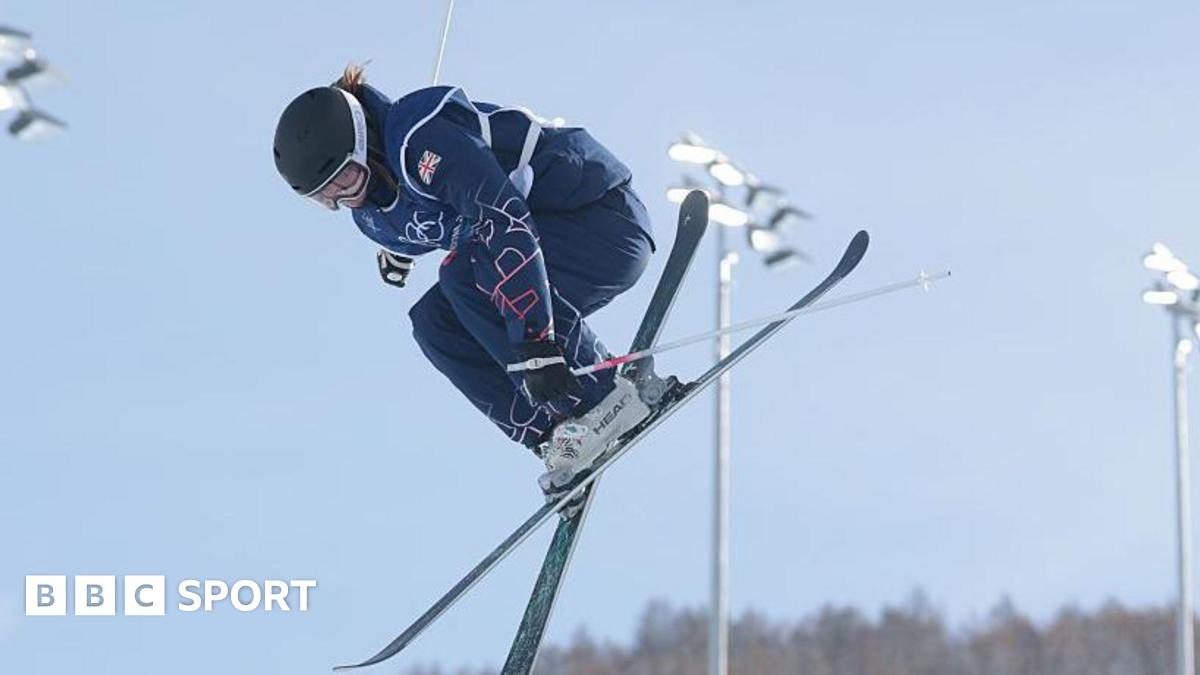
British freestyle skier Zoe Atkin has secured the overall FIS Freestyle Ski World Cup halfpipe title for the 2023-24 season, capping a remarkable campaign with a victory in the final event held in Silvaplana, Switzerland. The Olympic bronze medallist from the 2022 Beijing Games clinched the crystal globe with consistent performances throughout the season, marking her first major season-long title in the discipline.
Atkin’s triumph in Switzerland was particularly significant as it came in the season-ending World Cup event, where she posted the highest score of the competition to guarantee the overall standings victory. Her win builds on her Olympic success and establishes her as one of the leading athletes in women’s freestyle skiing halfpipe.
The achievement represents a significant milestone for British skiing, highlighting the continued growth and competitiveness of the nation’s freestyle program on the international stage. Atkin’s consistency across multiple World Cup events throughout the season was key to her securing the overall title ahead of her rivals.
Her victory in Silvaplana demonstrated technical mastery and creative execution in the halfpipe, with judges awarding her top marks for amplitude, difficulty, and landing precision. The win capped a season where Atkin frequently placed on the podium, showcasing her ability to perform under pressure across different venues and conditions.
Atkin’s Journey to the Halfpipe Crystal Globe
Zoe Atkin’s path to winning the overall World Cup halfpipe title began well before the Swiss finale, with strong performances in early season events that set the foundation for her campaign. Competing on the FIS Freestyle Ski World Cup circuit, Atkin accumulated points through consistent top-ten finishes, which proved crucial in the overall standings calculation.
The British skier’s technical approach combines high-amplitude jumps with innovative trick selections, a style that has evolved significantly since her Olympic debut. Her coaching team has emphasized both physical preparation and mental resilience, recognizing the unique demands of halfpipe competition where athletes must execute complex aerial maneuvers while maintaining speed and control through the transition zones.
Throughout the season, Atkin faced stiff competition from established stars and emerging talents alike, including athletes from the United States, China, and Switzerland. Her ability to adapt her runs to different course configurations and weather conditions demonstrated the versatility that ultimately separated her from the field in the overall standings.
The World Cup scoring system rewards not just peak performance but sustained excellence, requiring athletes to balance risk-taking with consistency. Atkin’s season-long strategy focused on maximizing points across multiple events rather than gambling for victory in isolated competitions, a approach that paid dividends in the final standings.
Technical Analysis of Atkin’s Winning Run
In the Silvaplana event that secured her overall title, Atkin’s winning run featured a sequence of technically demanding maneuvers that highlighted her progression as an athlete. Judges particularly noted her exceptional amplitude – the height achieved above the halfpipe walls – which allowed for greater trick complexity and cleaner landings.
Her run incorporated a combination of corked rotations and grab variations that demonstrated both technical difficulty and artistic expression. The British athlete’s ability to maintain consistent edge control through the flat bottom of the pipe while setting up for subsequent wall hits was a key factor in her high execution scores.
Comparisons with her Olympic bronze-medal winning run from Beijing reveal clear technical advancements, particularly in her ability to link tricks more seamlessly and maintain higher average amplitude throughout her run. This progression reflects both physical development and refined technical understanding gained through years of World Cup competition.
The winning score in Silvaplana not only secured the event victory but too provided the necessary points margin to overcome her closest rivals in the overall World Cup standings, showcasing how individual event performances directly impact season-long title races.
Impact on British Freestyle Skiing
Atkin’s overall World Cup halfpipe title represents a watershed moment for British freestyle skiing, a discipline where the nation has historically had limited representation at the highest levels of international competition. Her success builds on the foundation laid by previous British athletes who competed in World Cup events and helps establish a clearer pathway for future generations.
The achievement has already begun to inspire increased participation in freestyle skiing programs across the United Kingdom, particularly among young athletes drawn to the creative and technical aspects of halfpipe skiing. National governing bodies have noted increased interest in development programs following Atkin’s Olympic medal and now her World Cup title.
From a funding perspective, Atkin’s success strengthens the case for continued investment in British skiing infrastructure and athlete development programs. Her ability to compete and win against the world’s best demonstrates that British athletes can reach the pinnacle of the sport with appropriate support and training environments.
The victory also highlights the importance of specialized coaching expertise in freestyle disciplines, where technical knowledge of aerial maneuvers, snow conditions, and equipment optimization plays a crucial role in athlete performance. Atkin’s coaching team has been instrumental in her technical progression and competition preparation throughout the season.
Looking Ahead: Future Competitions and Goals
With the overall World Cup halfpipe title secured, Atkin’s focus now shifts to upcoming challenges and goals for the remainder of her competitive career. The immediate focus turns to preparation for the next Olympic cycle, with the 2026 Milan-Cortina Winter Games serving as the next major target for the British athlete.
Industry experts suggest that defending her World Cup title will require maintaining the same level of consistency and technical progression that characterized her winning season. The halfpipe discipline continues to evolve rapidly, with athletes pushing the boundaries of what’s possible in terms of trick difficulty and amplitude, meaning Atkin will need to continue innovating to stay competitive.
Beyond competitive goals, Atkin has expressed interest in using her platform to promote greater accessibility to winter sports, particularly for underrepresented communities. Her background and success story resonate with many young athletes who may not traditionally see themselves represented in winter sports.
The British skiing community will be watching closely as Atkin continues her career, with her success already establishing her as a role model for aspiring freestyle skiers across the United Kingdom and beyond. Her journey from Olympic medallist to World Cup title holder exemplifies the potential for sustained excellence in the sport.
The next major checkpoint in Atkin’s competitive calendar will be the FIS Freestyle Ski World Cup events scheduled for the 2024-25 season, beginning in late autumn 2024. Fans and followers can stay updated on her progress through official FIS channels and her personal social media platforms, where she regularly shares insights into her training and competition preparations.