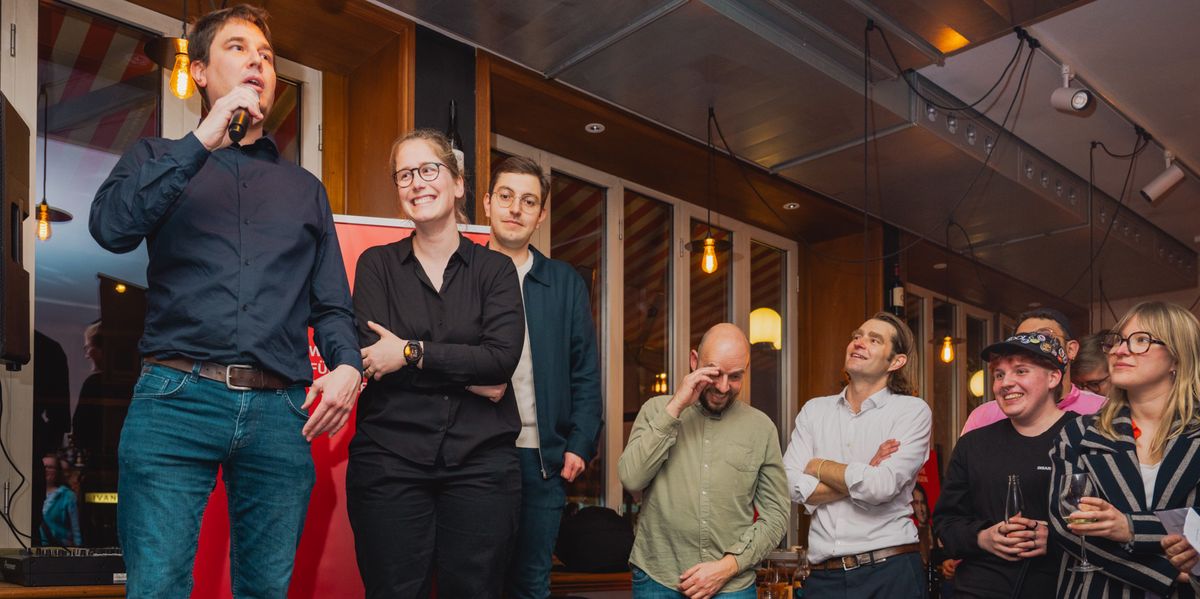
Zurich’s political landscape has undergone a significant shift following the municipal elections held on March 8, 2026. The Social Democratic Party (SP) and the Swiss People’s Party (SVP) emerged as the primary winners, whereas the Green Party experienced substantial losses. These results signal a notable change in the balance of power within the city’s government and reflect evolving voter preferences.
The elections, which determined the composition of both the city parliament and the city council, saw the SP gain considerable ground, increasing its representation across several districts. Conversely, the Green Party suffered a marked decline in seats, losing 11 parliamentary positions. The Green Liberal Party (GLP) also experienced losses, with a reduction of 8 seats. These outcomes suggest a potential realignment of political forces in Zurich, with voters seemingly favoring more established parties.
Shifting Political Dynamics in Zurich
The results of the Zurich elections are being closely watched as an indicator of broader political trends within Switzerland. The SP’s gains are particularly noteworthy, as they demonstrate the party’s continued appeal to a diverse electorate. The SVP, known for its conservative policies, also saw increased support, indicating a growing segment of the population that aligns with its platform. According to Tages-Anzeiger, the SP and SVP are the clear frontrunners after eight of thirteen electoral districts reported results.
The decline of the Green Party is a significant development, especially considering the party’s previous successes in Zurich. Several factors may have contributed to this outcome, including changing voter priorities, dissatisfaction with the party’s policies, and increased competition from other political groups. The GLP’s losses further underscore the challenges faced by centrist and environmentally focused parties in the current political climate.
District-Level Results: A Detailed Breakdown
A closer examination of the district-level results reveals a nuanced picture of the election outcomes. In districts 1 and 2, the SP secured significant gains, solidifying its position as a dominant force in these areas. Still, in district 3, the Green Party experienced a loss of 4.3 percentage points in the municipal council elections. This decline highlights the varying levels of support for the Green Party across different parts of the city.
Districts 4 and 5 also saw the SP emerge as a winner, further bolstering its overall performance. In district 6, both the SP and the SVP experienced gains, indicating a growing appeal for both parties in this area. Districts 7 and 8 witnessed successes for the Free Democratic Party (FDP) and the SP, while the SVP also saw a notable increase in support. This suggests a more competitive political landscape in these districts, with multiple parties vying for voter attention.
District 9 saw gains for the SP, FDP, SVP, and the Alternative List (AL), indicating a diverse range of political preferences among voters in this area. The trend continued in districts 10 and 11, where the SP gained ground while the Green Party lost support. In district 12, the Evangelical People’s Party (EVP) failed to surpass the 5% threshold required for representation, marking a setback for the party.
Impact on Zurich’s City Council and Parliament
The election results will have a significant impact on the composition of Zurich’s city council and parliament. The SP’s gains are expected to strengthen its influence in both bodies, allowing the party to advance its policy agenda. The SVP’s increased representation will also give the party a greater voice in decision-making processes. Tsri.ch reports that the election results are now finalized, providing a clear picture of the fresh political landscape.
The decline of the Green Party and the GLP will likely reduce their influence in the city council and parliament, potentially hindering their ability to push for environmental and progressive policies. The EVP’s failure to meet the 5% threshold means the party will not be represented in the city council, further diminishing its political clout.
The composition of the city parliament, with 125 members, and the city council, consisting of 9 members, will reflect these changes. The election of a new city president remains uncertain, as no candidate secured an absolute majority in the initial round of voting. A second round of voting will be necessary to determine the next leader of Zurich.
The Race for City President: A Second Round of Voting
Raphael Golta of the SP emerged as the leading candidate in the race for city president, but fell short of securing an absolute majority. His primary challenger, Përparim Avdili of the FDP, trailed significantly behind. According to NZZ.ch, a second round of voting will be held to determine the next city president.
Avdili’s inability to secure a seat on the city council disqualifies him from participating in the second round of voting. This leaves Michael Baumer, a re-elected member of the city council from the FDP, as the potential candidate for the center-right bloc. The outcome of the second round will be crucial in shaping the future direction of Zurich’s leadership.
Looking Ahead: Implications for Zurich’s Future
The Zurich elections represent a turning point in the city’s political landscape. The gains made by the SP and the SVP, coupled with the losses suffered by the Green Party and the GLP, signal a shift in voter preferences and a potential realignment of political forces. These changes will likely have a significant impact on the city’s policy agenda and its approach to key issues such as environmental sustainability, economic development, and social welfare.
The election results also highlight the importance of local politics and the need for parties to connect with voters at the grassroots level. The SP’s success can be attributed, in part, to its strong organizational presence and its ability to mobilize support among a diverse range of constituents. The Green Party’s decline underscores the challenges faced by parties that rely heavily on a narrow base of support.
As Zurich moves forward, it will be crucial for political leaders to address the concerns of all citizens and to work together to find solutions to the challenges facing the city. The election results provide a clear mandate for change, and it remains to be seen how the new political landscape will shape Zurich’s future.
The next key date to watch is the second round of voting for the city president, which will determine the city’s next leader. Further updates on the composition of the city council and parliament will also be released in the coming weeks. Stay tuned to World Today Journal for continued coverage of Zurich’s evolving political scene.
What are your thoughts on the Zurich election results? Share your comments below and let us understand how you think these changes will impact the city’s future. Don’t forget to share this article with your network!