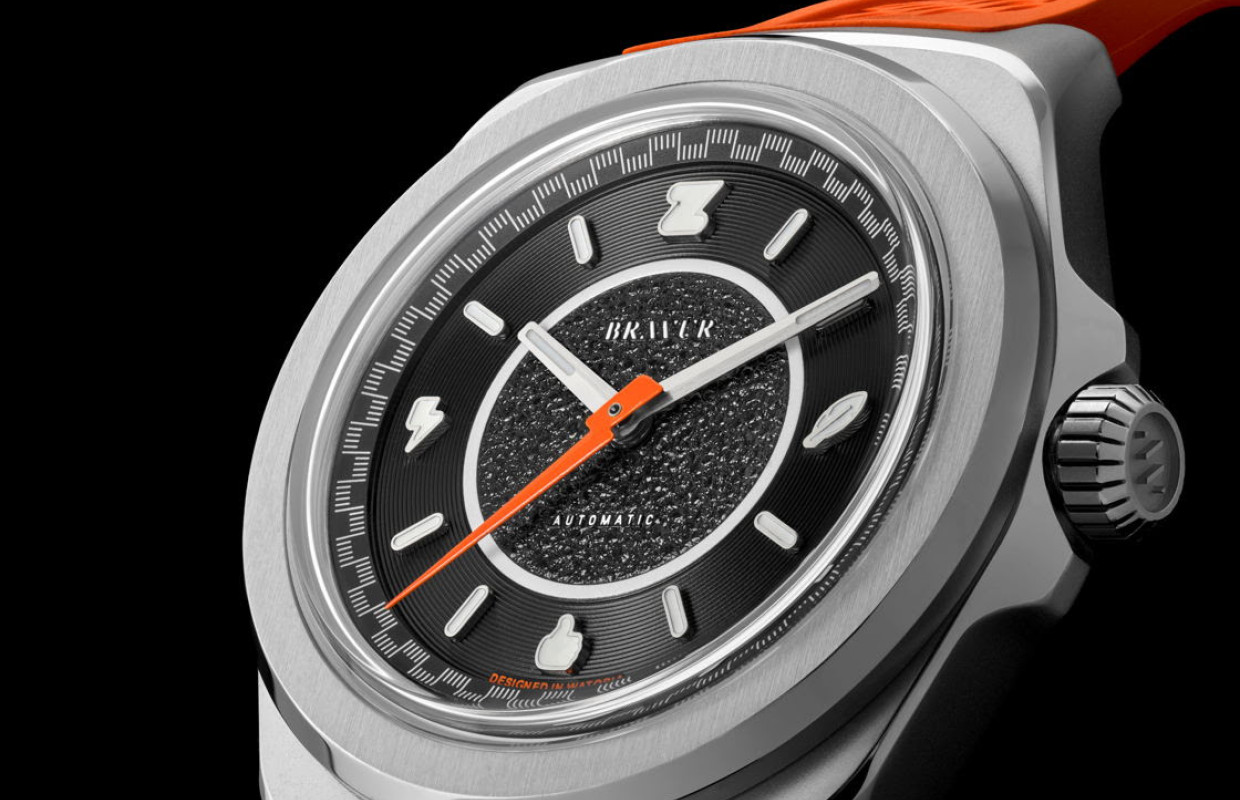
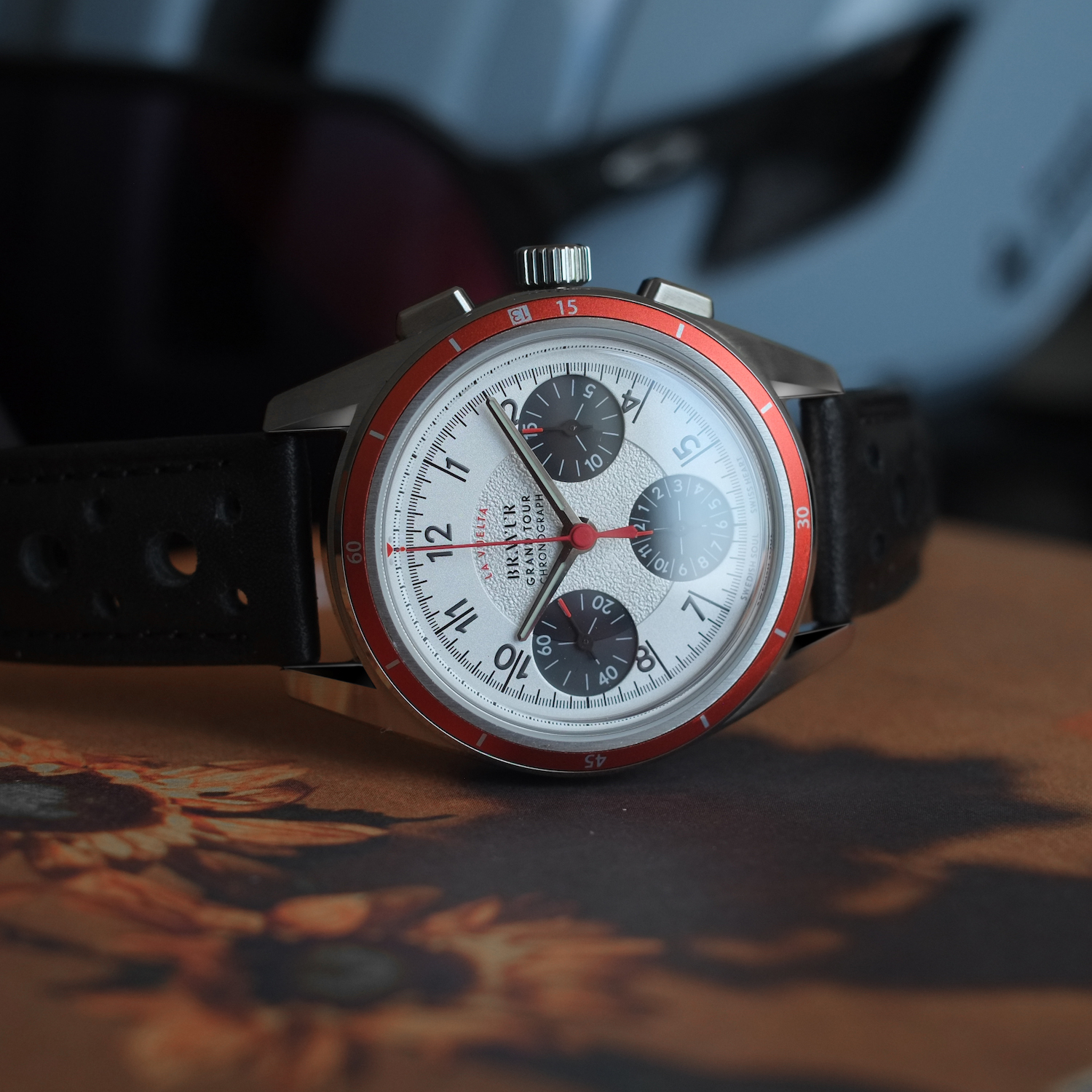
Virtual cycling platform Zwift has partnered with Swedish watchmaker Bravur to release a limited-edition timepiece, marking a shift for the fitness software company toward the high-end consumer luxury market. The collaboration centers on the “Grand Tour Chronograph,” a watch designed to reflect the aesthetic of professional cycling, according to official product announcements from Bravur.
This move represents a strategic pivot for Zwift, a company primarily known for its indoor cycling software and hardware like the Zwift Hub. By aligning with a boutique watch manufacturer, Zwift is attempting to translate its digital community presence into a tangible, premium physical product. The partnership follows a period of organizational restructuring for the fitness brand, which saw significant leadership changes throughout 2023, as reported by DC Rainmaker.
Design and Technical Specifications
The Grand Tour Chronograph features a design heavily influenced by the professional cycling circuit. According to Bravur, the watch is assembled in Båstad, Sweden, and utilizes a Swiss-made automatic movement—specifically the Sellita SW511 caliber. The watch face incorporates design elements inspired by the jerseys worn in major cycling tours, a choice intended to appeal to the brand’s core demographic of competitive indoor cyclists.
The technical specs include a 38.2mm stainless steel case, a 62-hour power reserve, and a double-domed sapphire crystal. These specifications position the product within the mid-to-high-tier horology market, distinguishing it from the mass-market fitness trackers typically associated with the indoor training space. Unlike standard smartwatches that track heart rate or power output, the Bravur collaboration is a mechanical timepiece, focusing on aesthetics and craftsmanship rather than biometric data collection.
Market Positioning and Brand Strategy
Zwift’s entry into the luxury watch space serves as a branding exercise to cement its status as a lifestyle brand rather than just a software utility. By moving from “rodillos” (indoor trainers) to high-end watches, the company is targeting the “prosumer” segment—users who invest heavily in their cycling setups and identify strongly with the sport’s culture. This strategy mirrors the path taken by other digital-first companies that seek to monetize brand loyalty through limited-run, high-margin merchandise.
Industry analysts note that such collaborations are common in the cycling world, where heritage and status symbols play a significant role in consumer behavior. However, the move also highlights the challenges of diversifying a business model that relies on monthly subscription revenue. According to financial disclosures and reports from Cycling Weekly, Zwift has focused on streamlining its hardware business to remain competitive in the increasingly crowded indoor training market.
What This Means for the Cycling Community
For the average Zwift user, the release of a luxury watch may have little impact on the daily experience of the platform, but it signals a change in the company’s long-term marketing direction. The collaboration is limited in scope, with only a small number of units produced, which is a common tactic to drive exclusivity and maintain brand prestige.
The partnership also raises questions about whether Zwift will continue to pursue physical product lines outside of the fitness hardware ecosystem. While the platform has successfully integrated with various smart trainers and power meters, moving into luxury goods is a distinct departure from its core software-as-a-service (SaaS) model. As of the most recent corporate updates, Zwift has not signaled a broader intent to launch a full fashion or accessory line.
Future Developments
The next phase for the platform involves the continued refinement of its virtual world and competitive racing leagues. Zwift has previously announced intentions to further integrate its digital racing events with real-world cycling milestones. Users can track upcoming updates and official corporate announcements through the Zwift Newsroom.
Readers interested in the intersection of cycling culture and technology are encouraged to share their thoughts on whether they prefer branded gear or if they believe fitness companies should remain focused exclusively on performance software. Further details regarding the availability of the collaboration will be updated as the company releases more information on its distribution channels.
Related reading