
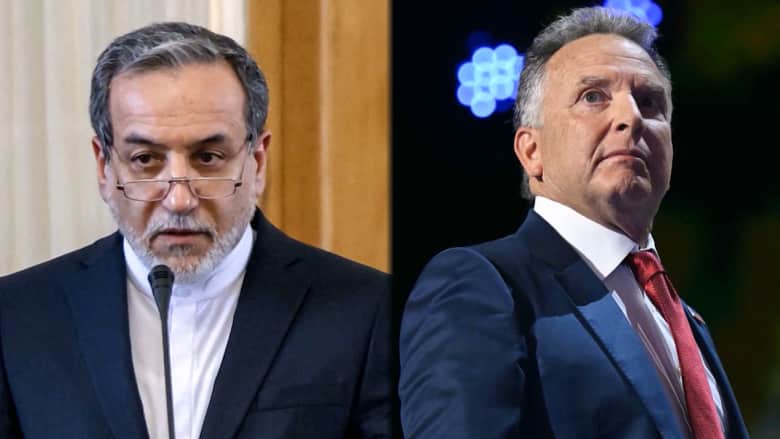
Iranian parliamentary speaker Mohammad Baqer Qalibaf has firmly rejected claims that he withdrew from nuclear negotiations with the United States, calling such reports baseless rumors amid heightened tensions over the Strait of Hormuz. The clarification comes as Iran maintains its position that reopening the vital waterway remains impossible under the ongoing U.S.-led maritime blockade, which Tehran says violates any meaningful ceasefire agreement.
Qalibaf, who has served as Iran’s parliament speaker since 2020, addressed the speculation directly during a televised interview, stating unequivocally that he remains engaged in diplomatic efforts and has not stepped back from negotiations. His remarks were aimed at countering unverified claims circulating in some media outlets suggesting his withdrawal from talks aimed at de-escalating the conflict between Iran and the U.S.-Israel alliance.
The Strait of Hormuz, through which approximately 20 million barrels of oil pass daily, has turn into a focal point of regional tension following a two-week ceasefire agreement between Iran and the U.S.-Israel coalition. Iranian military authorities announced the re-closure of the strait in response to what they described as continued U.S. Naval pressure, a move that coincided with reports of three maritime incidents involving commercial vessels near Omani waters within a three-hour span.
According to Qalibaf, Iran’s actions are defensive and intended to protect its sovereign rights, emphasizing that the country will not permit other nations to transit the strait whereas being denied access themselves. He reiterated that Iran demonstrated significant technological superiority during recent engagements, citing the downing of nearly 180 drones and the targeting of an F-35 fighter jet with an enemy-revealing missile as evidence of its capabilities.
The Iranian negotiator stressed that a full ceasefire would be meaningless if undermined by a naval blockade and Israeli operations on multiple fronts. In a post on social media platform X, he wrote: “There is no benefit to a complete ceasefire if it is violated by a maritime blockade and holding the global economy hostage, and when Zionist warmongering stops on all fronts.” He added that reopening the Strait of Hormuz is impossible under the blatant violation of the ceasefire.
Qalibaf also dismissed the idea that pressure would compel Iran to concede, stating that neither military aggression nor intimidation has achieved U.S. Objectives, and that the only path forward is recognition of Iran’s rights. His stance aligns with statements from other Iranian officials who have maintained that any diplomatic progress must include the lifting of economic sanctions and an end to what Tehran characterizes as unlawful interdiction of its vessels.
The situation remains fluid, with both sides exchanging warnings over naval activities in the Gulf. While Iran asserts control over the strait and warns of restricting navigation if provocations continue, the U.S. Has not publicly confirmed any changes to its naval presence in the region. International maritime authorities continue to monitor the situation closely, given the strait’s critical role in global energy supplies.
As of the latest verified reports, no formal negotiations between Iranian and U.S. Representatives have been publicly scheduled in the immediate term, though backchannel communications may persist. Analysts note that the coming days will be crucial in determining whether the ceasefire holds or if further escalation occurs in one of the world’s most strategically sensitive maritime passages.
For ongoing developments regarding Iran-U.S. Diplomacy and security conditions in the Strait of Hormuz, readers are encouraged to consult official statements from the Iranian Ministry of Foreign Affairs and the U.S. Department of State, as well as updates from the International Maritime Organization.
What are your thoughts on the evolving situation in the Strait of Hormuz and the prospects for de-escalation between Iran and the United States? Share your perspective in the comments below and help spread awareness by sharing this article with others following global affairs.