
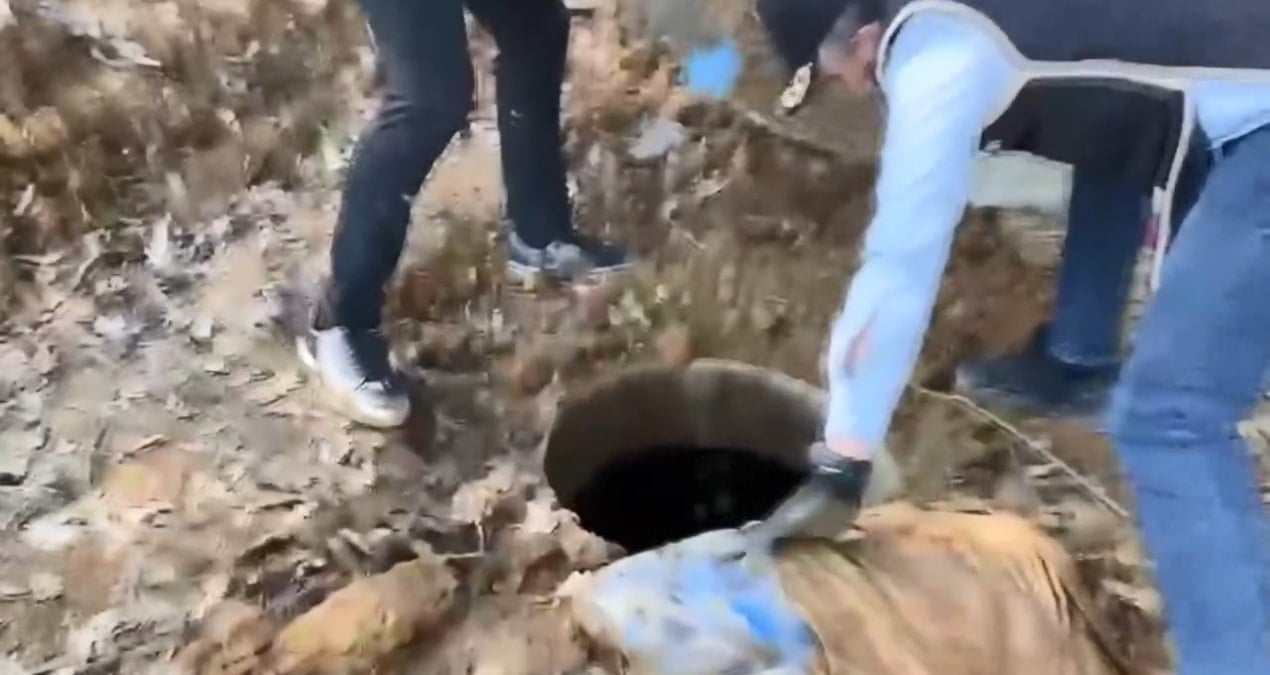
On April 25, 2026, Turkish authorities uncovered a significant cache of weapon components buried beneath the ground in Pendik, a district on the Asian side of Istanbul Province. The discovery, described by local media as unprecedented in the country’s history, occurred during a coordinated security operation targeting suspected illegal arms storage. Initial reports indicate that investigators found numerous bags containing disassembled firearm parts hidden in what appeared to be a concealed underground depot.
The operation, conducted by law enforcement agencies, resulted in the detention of four individuals suspected of involvement in the illicit storage and potential distribution of these components. While the exact nature and quantity of the seized items remain under official review, early accounts from multiple Turkish news outlets referenced the recovery of hundreds, possibly thousands, of weapon parts, including barrels, triggers and other critical components requiring assembly to grow functional firearms.
Pendik, known for its industrial zones and proximity to major transportation hubs including Sabiha Gökçen International Airport, has periodically been the focus of security operations due to its strategic location between Istanbul’s urban centers and industrial regions to the east. The district, home to over 750,000 residents as of 2022, lies along the northern coast of the Sea of Marmara and shares boundaries with districts such as Kartal, Tuzla, and Gebze.
This incident adds to a pattern of intermittent discoveries of concealed arms caches in various parts of Turkey, particularly in areas with logistical advantages for smuggling or clandestine manufacturing. Authorities have not yet disclosed the intended destination or end-users of the recovered components, nor have they confirmed any links to specific criminal organizations or extremist groups. The investigation remains active, with forensic analysis underway to determine the origin, age, and potential intended use of the seized materials.
Legal proceedings against the four detained individuals are expected to follow standard judicial procedures under Turkish law, which prohibits the unlicensed manufacture, storage, or trafficking of firearms and ammunition. Under the country’s Arms Control Law, violations involving illegal possession or distribution of weapon components can result in substantial prison sentences, particularly when associated with organized criminal activity.
As of the date of this report, no official statement has been issued by the Istanbul Governor’s Office or the Ministry of Interior detailing the full scope of the seizure or the specific charges faced by the suspects. Security analysts note that such discoveries, while not uncommon, often require extensive investigation to determine whether they represent isolated incidents or elements of broader illicit networks.
The underground nature of the depot suggests deliberate concealment efforts, possibly indicating long-term planning to avoid detection. Experts in illicit arms trafficking note that burying components or storing them in subterranean locations is a tactic used to circumvent routine inspections and exploit gaps in surveillance, particularly in areas with complex terrain or limited ground-penetrating monitoring capabilities.
For residents of Pendik and surrounding districts, the event underscores ongoing concerns about security vulnerabilities in peri-urban zones where industrial activity, transportation corridors, and dense populations intersect. Local officials have urged vigilance and encouraged the public to report any suspicious activity related to unauthorized weapons handling or storage.
Moving forward, the focus will shift to the judicial process, including potential indictments, court hearings, and the release of forensic findings. No trial dates or formal indictments have been publicly announced at this time. Updates are expected to come from the Istanbul Chief Public Prosecutor’s Office or through official channels of the Turkish National Police.
This developing story highlights the persistent challenges faced by law enforcement in tracking and intercepting illicit arms flows, particularly in geographically complex regions like Istanbul, where urban density, industrial infrastructure, and international transit points create both opportunities and obstacles for monitoring illegal activities.
Readers are encouraged to follow official announcements from verified government sources for accurate, timely information as the investigation progresses. Avoid sharing unverified details or speculation that could compromise legal proceedings or public safety.