
Caffeine dependence is a physiological process where the brain adapts to the regular presence of a stimulant, leading to withdrawal symptoms when consumption ceases. While moderate coffee consumption is associated with potential health benefits, including a reduced risk of certain chronic diseases, the habit can create a cycle of dependency that impacts daily cognitive function and energy regulation. According to the U.S. Food and Drug Administration (FDA), for healthy adults, 400 milligrams a day—roughly four or five cups of coffee—is generally not associated with dangerous, negative effects, though individual sensitivity varies significantly.
As a physician, I frequently see patients who struggle with the “crash” that follows their morning routine. The sensation of being unable to function without coffee is not merely psychological; it is a direct result of how caffeine interacts with the body’s neurotransmitters. Understanding this mechanism is the first step toward managing your intake effectively.
How Caffeine Alters Brain Chemistry
The primary reason you feel alert after drinking coffee is that caffeine acts as an adenosine receptor antagonist. Throughout the day, your brain produces adenosine, a chemical that builds up in the bloodstream and binds to receptors, signaling to the body that it is time to rest. Caffeine is structurally similar to adenosine, allowing it to “plug” those receptors without activating them, effectively blocking the sleep signal, as explained by the Sleep Foundation.

When you consume caffeine daily, the brain compensates by increasing the number of adenosine receptors. This creates a state of tolerance. When you skip your morning cup, those extra receptors are suddenly flooded with adenosine, leading to the characteristic withdrawal symptoms: lethargy, irritability, and the infamous caffeine-withdrawal headache. This physiological adaptation is why many people feel they “cannot function” without their habitual dose.
Potential Benefits and Health Considerations
Research suggests that coffee is more than just a stimulant. It is a complex beverage containing hundreds of biologically active compounds, including polyphenols and antioxidants. The Harvard T.H. Chan School of Public Health notes that regular coffee consumption has been linked to a lower risk of type 2 diabetes, Parkinson’s disease, and certain liver conditions. These benefits are often observed in habitual coffee drinkers, suggesting that the compounds in the bean may provide protective effects that outweigh the risks for most individuals.
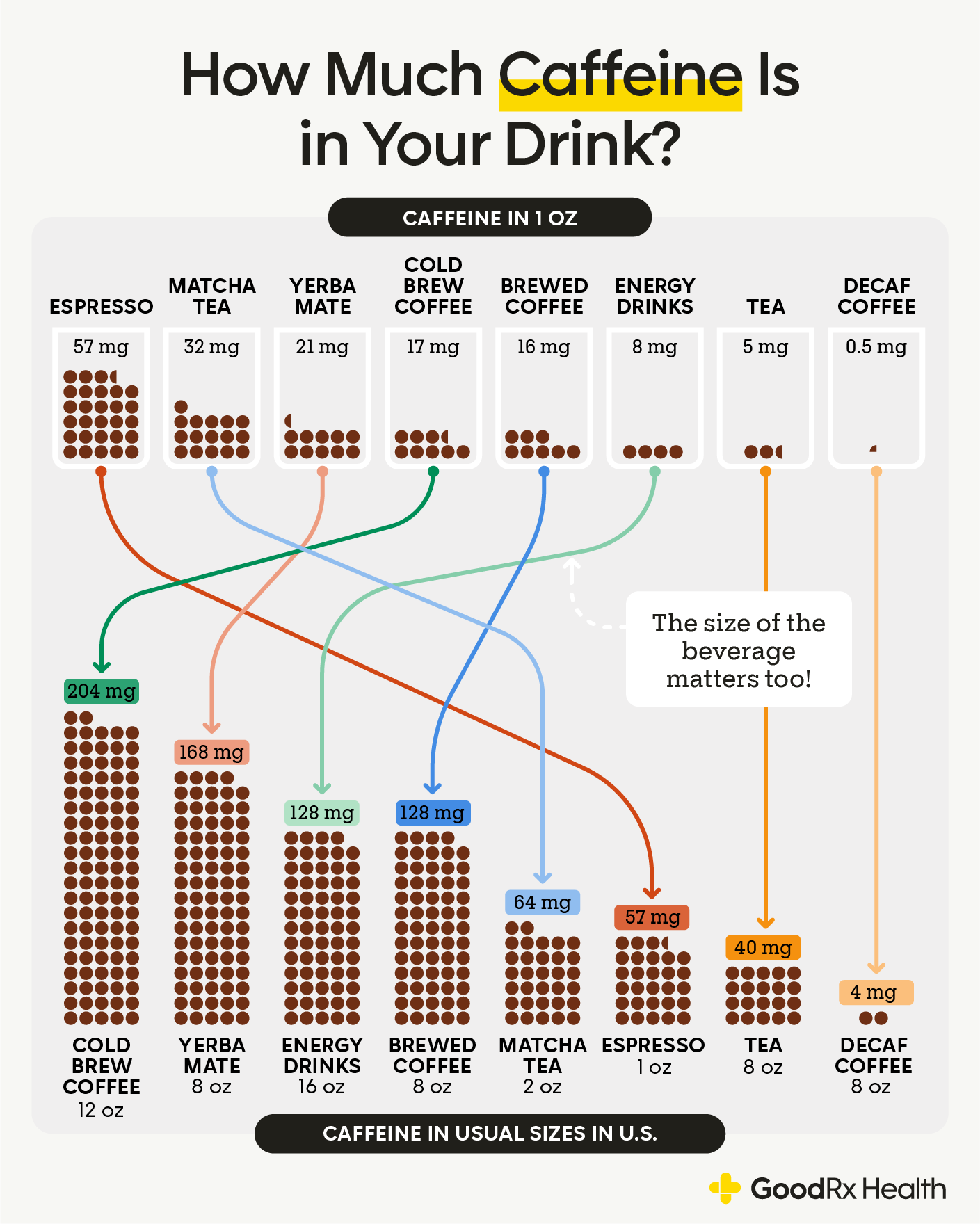
However, the context of consumption matters. Adding significant amounts of sugar, syrups, or heavy cream can negate the metabolic benefits of the coffee itself. Furthermore, those with specific health conditions, such as hypertension or anxiety disorders, may find that even moderate caffeine intake exacerbates their symptoms. According to the Mayo Clinic, individuals who experience “jitters,” insomnia, or heart palpitations should consider reducing their intake, as these are clinical indicators that you have exceeded your personal tolerance threshold.
Managing Dependency or Choosing to Quit
If you find that your coffee habit is negatively impacting your sleep or causing dependency, a “cold turkey” approach is rarely the most comfortable path. Abrupt cessation often leads to intense withdrawal symptoms that peak within 24 to 48 hours. A more sustainable strategy involves a gradual taper. By reducing your intake by one-quarter to one-half cup every few days, you allow your brain chemistry to re-equilibrate, minimizing the severity of withdrawal.
For those who enjoy the ritual of coffee but wish to avoid the stimulant effects, transitioning to decaffeinated options or herbal teas can be effective. It is important to note that decaf is not entirely caffeine-free, but it contains a fraction of the amount found in a standard brew. If you are considering a complete lifestyle change, it is advisable to monitor your hydration levels and sleep quality, as these are often the first areas to improve once caffeine dependence is broken.
When to Consult a Professional
While coffee is generally safe for the vast majority of the population, there are instances where medical intervention is warranted. If you find yourself unable to control your consumption despite experiencing adverse health effects, or if your caffeine intake is masking underlying issues like chronic fatigue or sleep apnea, speak with your primary care provider. There is no universal “right” amount of coffee; the optimal level of intake is one that supports your productivity without compromising your rest or your cardiovascular health.
As of late 2024, public health guidelines remain consistent regarding the moderate consumption of caffeine as part of a balanced diet. Readers are encouraged to track their intake over a one-week period to identify their actual consumption levels, as many people underestimate their daily caffeine load. Have you noticed a shift in your energy levels when adjusting your routine? Share your experiences in the comments below.
Related reading