Hong Kong police have confirmed that the use of drones in law enforcement operations has grow routine, marking a significant shift in how authorities monitor and respond to illegal activities across the territory. This development follows a series of successful deployments in anti-gambling crackdowns, where unmanned aerial vehicles provided real-time surveillance to support ground teams in identifying and apprehending suspects involved in street betting.
According to verified reports from local authorities, the Security Bureau disclosed that the police force has acquired a total of 706 drones through cumulative funding of HK$25.14 million. These drones were deployed 11,828 times in the past financial year for operations including crime patrols, aerial monitoring, and traffic enforcement. The force plans to acquire an additional 56 drones in the upcoming financial year, with the Fire Services Department also set to procure 28 more, bringing the combined investment to HK$8.45 million.
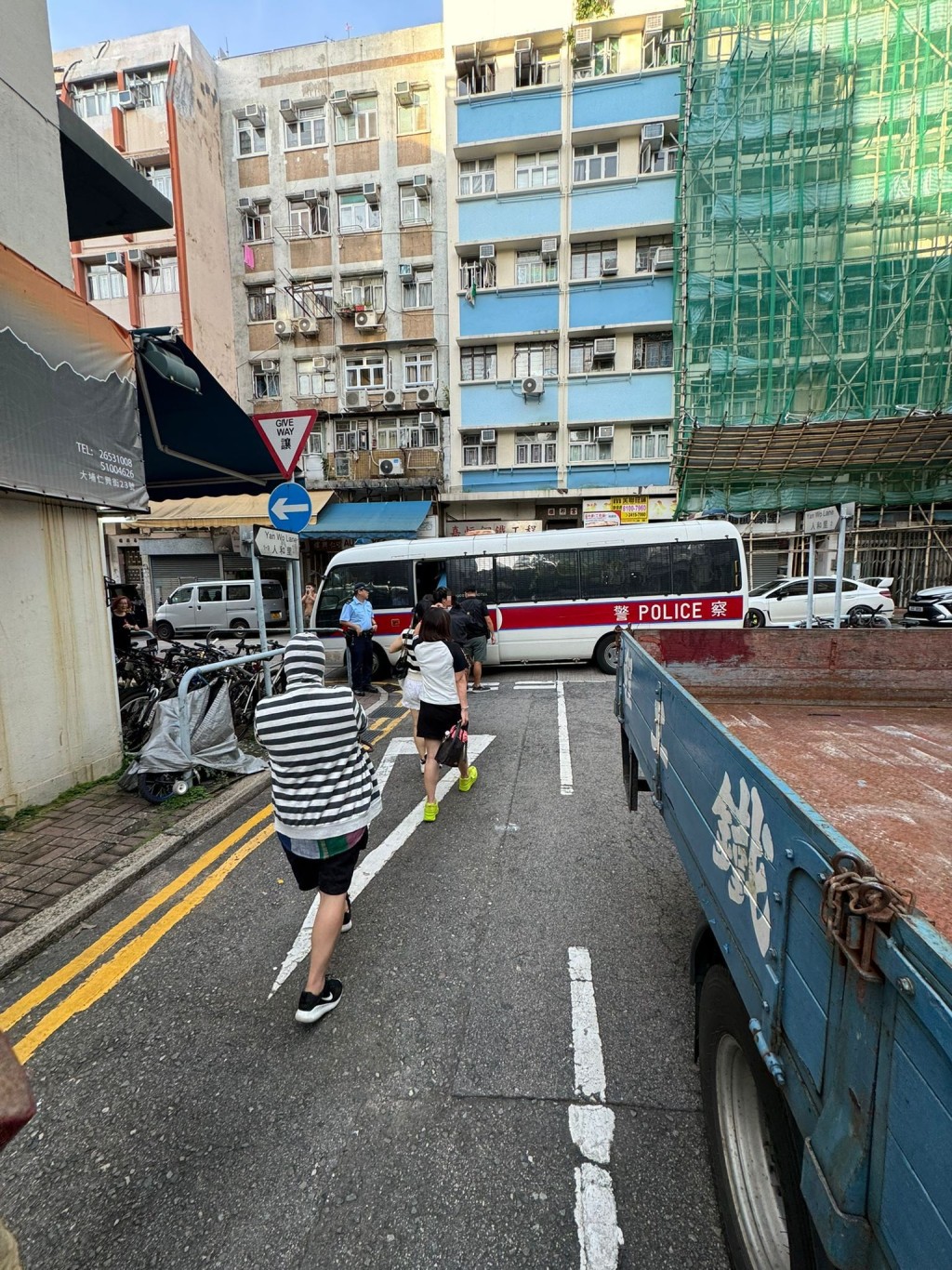
The integration of drone technology into policing was first demonstrated in a major operation targeting illegal gambling in Ma On Shan. Between April 5 and 18, 2026, officers from the Sha Tin District Special Duty Unit, Ma On Shan Divisional Special Task Force, and uniformed patrol teams conducted a cross-departmental initiative codenamed “Yi Fung.” During this period, police used drones for the first time to scout known gambling hotspots from the air, leading to the arrest of eight individuals aged between 53 and 73 in the On On Estate. Authorities seized HK$420 in cash and gambling paraphernalia, with all suspects charged under Section 148 of the Gambling Ordinance for gambling in a public place.
Subsequent operations have expanded the use of drones to other districts. In Tsuen Wan, police carried out a similar anti-gambling sweep that resulted in the arrest of 12 people, including a 91-year-old man believed to be the oldest person detained in such an operation. In Kwai Chung’s Shek Lei Estate, four men were apprehended, the eldest being 82 years old. Meanwhile, in the southern New Territories, another operation led to the detention of 12 men and women, with the eldest suspect also aged 91. These actions underscore a territory-wide effort to suppress illegal street gambling through enhanced technological surveillance.
Legal experts note that under Hong Kong law, anyone found guilty of gambling in a street or public place faces a maximum fine of HK$50,000 and up to nine months’ imprisonment. Police have emphasized that these penalties remain a key deterrent, and they intend to maintain heightened vigilance through both conventional patrols and drone-assisted monitoring.
Beyond gambling enforcement, officials have indicated that drones are being evaluated for broader applications, including integration with artificial intelligence for improved image analysis and situational awareness. The technology has also been included in the Guangdong-Hong Kong-Macao Greater Bay Area resource-sharing framework, allowing for rapid cross-border deployment during emergencies.
The Fire Services Department currently operates 53 drones, which were used 1,083 times in the last fiscal year primarily for fire scene assessment, aerial lighting, and photogrammetry to create 3D models of incident sites. Both disciplined services continue to explore how drone capabilities can be expanded to support public safety missions.
As Hong Kong advances its low-altitude economy strategy — promoting drone use in logistics, surveying, and emergency response — the normalization of police drone usage reflects a broader trend toward technology-driven governance. Authorities stress that all operations comply with existing aviation and privacy regulations, and that surveillance is conducted strictly within legal frameworks to protect public safety without infringing on civil liberties.
Looking ahead, the Security Bureau has confirmed that procurement and training for additional drone units will proceed according to the approved budget cycle. No further details on specific timelines for upcoming deployments have been released, but police have stated that evaluations of operational effectiveness are ongoing to inform future investments in aerial policing technology.
For members of the public seeking updates on police operations or wishing to report illegal activities, the Hong Kong Police Force maintains an online reporting portal and encourages community engagement through its regional district offices. Official statistics on drone usage and law enforcement outcomes are typically published in the Security Bureau’s annual report, which is made available to the public each year.
What do you think about the growing role of drones in urban law enforcement? Share your perspective in the comments below, and help spread informed discussion by sharing this article with others who follow developments in public safety and technology.
Keep reading