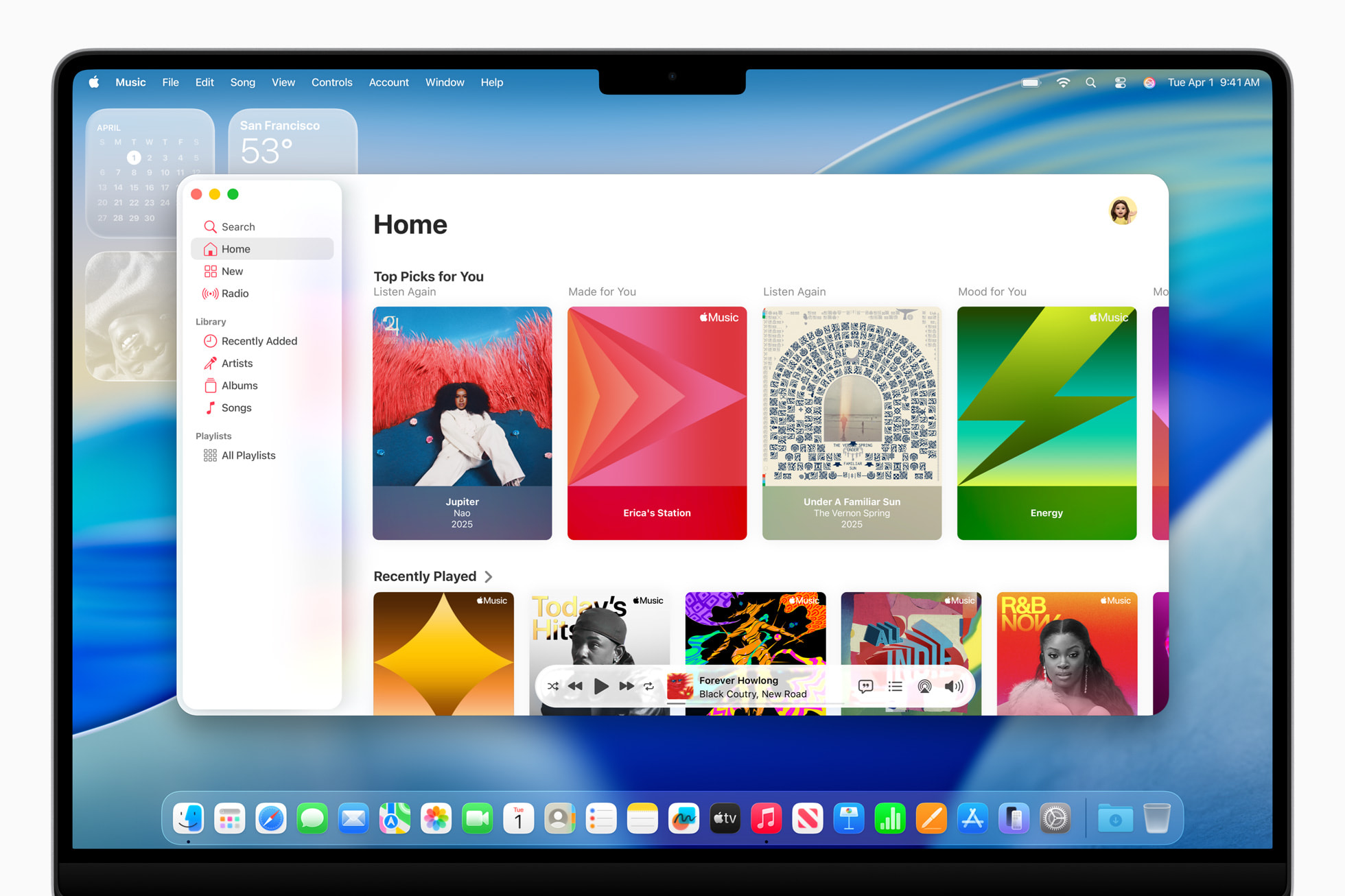
Since upgrading to macOS Tahoe 26.0, many Mac users have reported persistent issues with the Music app attempting to access iTunes data upon startup, particularly when trying to access song covers, metadata, or local media libraries. This behavior has disrupted workflows for long-time iTunes users who prefer managing their personal music collections without an Apple Music subscription.
The problem appears tied to changes in how macOS Tahoe 26.0 handles legacy media frameworks following the full transition from iTunes to the standalone Music app. Users describe the Music app repeatedly prompting for iTunes access or failing to load local content properly, even when iTunes is no longer installed or actively used.
One verified workaround identified in Apple’s community forums involves temporarily disabling virtual private network (VPN) connections during syncing or library refreshes. A user identified as dantron-z confirmed that turning off their VPN resolved sync failures between a MacBook Pro running macOS Tahoe 26.0 and an iPhone 15 Pro Max with iOS 26.0, restoring access to local music, movies, and shows without requiring an Apple Music subscription.
This suggests that network routing or security protocols introduced in Tahoe 26.0 may interfere with local device communication when active VPNs alter traffic paths, particularly for Bonjour-dependent services or local library sharing.
Further guidance from AppleInsider outlines steps to resolve common Music app malfunctions in macOS Tahoe, including clearing the application cache. The procedure involves quitting the Music app, navigating to the ~/Library/Caches/com.apple.Music directory, and deleting its contents before restarting the application. This action has been reported to resolve indexing errors, missing covers, and unresponsive interfaces.
Sweetwater’s compatibility guide for macOS Tahoe 26.0 notes that while core audio and MIDI functionality remain stable, certain legacy music management workflows—especially those reliant on iTunes-era file structures or third-party sync tools—may require adjustment. The guide recommends verifying file permissions, ensuring media folders are indexed correctly by Spotlight, and confirming that iCloud Music Library is disabled if local-only playback is desired.
These issues affect primarily users who upgraded to macOS Tahoe 26.0 from earlier versions and maintained large local media libraries outside of Apple’s cloud ecosystem. Professionals in audio production, DJing, and archival media management have voiced concerns about the opacity of the transition, noting the lack of clear migration paths for smart playlists, ratings, and play counts.
Apple has not issued an official statement addressing these specific sync and access problems in macOS Tahoe 26.0. Yet, the company’s support documentation continues to emphasize that the Music app is designed to function independently of iTunes, with all user data migrated during initial setup. Discrepancies between expected behavior and user experience suggest possible gaps in the migration tool or background sync processes.
For users seeking to prevent the Music app from attempting to access iTunes components, experts recommend ensuring no remnants of iTunes remain in the Applications folder, checking Login Items for legacy helpers, and resetting the Music app’s preferences via the Terminal command: defaults delete com.apple.Music. A subsequent restart often restores default behavior without cloud prompts.
As of now, there are no announced updates or patches specifically targeting this issue. Users are advised to monitor the Apple Support Communities and the macOS Tahoe release notes for future fixes. The next expected checkpoint is the release of macOS Tahoe 26.1, anticipated in a minor update cycle later in 2026, though no exact date has been confirmed by Apple.
If you’ve encountered similar issues with the Music app in macOS Tahoe 26.0, sharing your experience can support others identify patterns and solutions. Consider commenting below or sharing this article with fellow Mac users navigating the post-iTunes landscape.