
The South Korean Ministry of Employment and Labor has released a comprehensive set of prevention guidelines for workplaces to mitigate the risk of Ebola virus disease, following reports of outbreaks in parts of Africa. The initiative, announced on June 8, 2026, focuses on establishing a tiered response system to prevent the potential domestic spread of the virus through international business travel.
The guidelines mandate that employers implement a systematic prevention framework before employees travel abroad. This includes the designation of a workplace quarantine manager and the establishment of emergency communication channels with the Korea Disease Control and Prevention Agency (KDCA) and local public health centers. The ministry strongly advises that non-essential business travel to high-risk regions—specifically identifying the Democratic Republic of the Congo (DRC)—be avoided or postponed where possible.
Establishing Workplace Safety Protocols
According to the ministry’s directive, the responsibility for health and safety management falls squarely on the employer. If a workplace fails to perform these required health duties and an infection occurs, the employer may face legal or administrative accountability. This policy aims to ensure that companies actively monitor the health status of employees returning from affected areas to block the potential for secondary transmission within the workplace.
Employees traveling for business are required to adhere strictly to local safety guidelines while abroad. This includes maintaining rigorous personal hygiene, such as frequent hand washing, and strictly avoiding contact with wild animals or their carcasses. Should an employee experience suspicious symptoms while in the affected region, they must immediately notify their company headquarters and the local embassy. Following this, they are expected to coordinate with the KDCA and other relevant authorities to initiate proper evacuation and medical treatment procedures.
Monitoring and Post-Return Procedures
The most critical window for monitoring is the 21-day period following an employee’s return, which corresponds to the maximum incubation period of the virus. Upon arrival in South Korea, travelers are required to report their international visit history to quarantine officers. Throughout the subsequent 21-day period, returnees must monitor themselves for symptoms such as fever.
To further minimize risks, the Ministry of Employment and Labor has instructed employers to facilitate work-from-home arrangements or grant paid leave to employees during this three-week monitoring phase. This measure is designed to proactively isolate potential cases and prevent the virus from spreading through office environments or industrial sites.
The prevention guidelines were developed following discussions at the “Overseas Infectious Disease Situation Assessment Meeting,” hosted by the KDCA on May 28, 2026. By integrating these steps into standard corporate health policies, the government aims to create a consistent, nationwide defense against the introduction of the virus into domestic workplaces.
Why the Protocol Matters
Ebola virus disease remains a significant public health concern due to its high mortality rate and the potential for rapid transmission in localized outbreaks. For global companies with operations in or near affected regions, the new guidelines provide a clear, actionable roadmap for protecting both their workforce and the general public. The emphasis on pre-travel planning and post-travel isolation reflects a shift toward more institutionalized, company-led health oversight.
The Ministry of Employment and Labor continues to coordinate with health authorities to monitor global developments. As the situation in Africa evolves, businesses are encouraged to keep abreast of updates from the Korea Disease Control and Prevention Agency, which serves as the primary authority for official health advisories and travel restrictions. Employers are urged to review their internal health and safety manuals to ensure they align with these newly distributed, specific Ebola prevention measures.
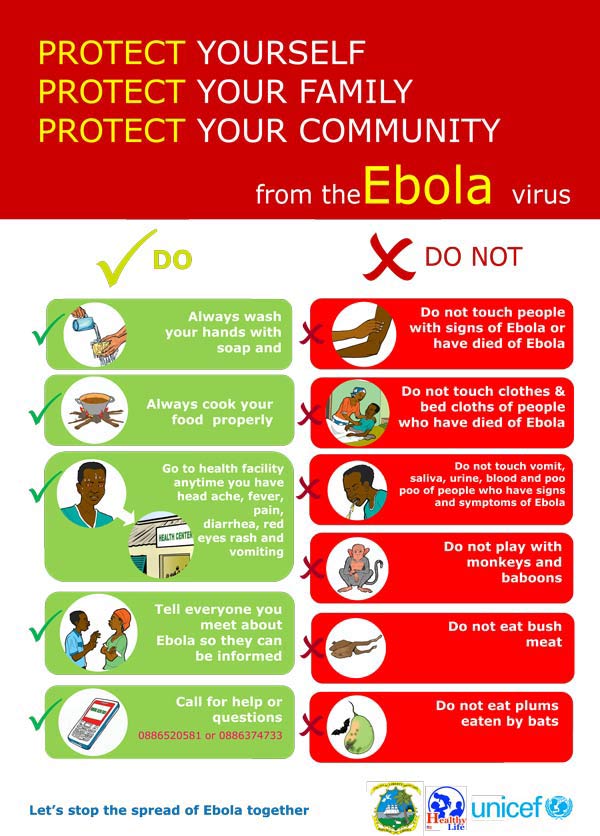
The government has indicated that it will continue to update these guidelines based on the evolving international health landscape. For further information, local businesses are advised to contact their regional employment and labor offices or their local public health jurisdiction to ensure full compliance with the established response framework.
Have you or your workplace implemented new travel health policies recently? Share your experiences in the comments below, or join the conversation on our social channels to help keep our international community informed.
Worth a look