
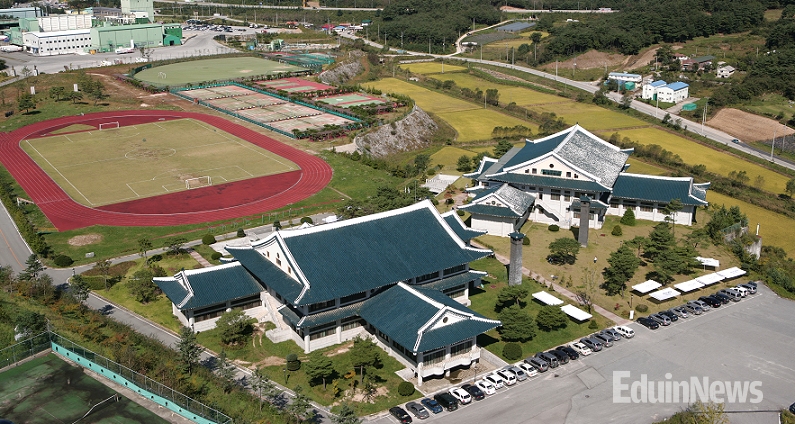
The Korean Minjok Leadership Academy (KMLA), widely recognized as one of South Korea’s most prestigious independent high schools, operates under a unique educational mandate focused on cultivating future global leaders through a specialized, research-oriented curriculum. Located in Hoengseong, Gangwon Province, the academy is a private, boarding-style institution that functions independently of the standard national public school system, according to the official academy records. The school is known for its rigorous academic standards, selective admissions process, and its commitment to integrating traditional Korean values with international educational methodologies.
Since its founding in 1996 by Choi Myung-jae, KMLA has maintained a distinct identity in the South Korean educational landscape by focusing on a holistic approach that balances intellectual development with character education and physical well-being. As of the most recent academic reports, the institution emphasizes a “three-pillar” educational philosophy: the cultivation of academic excellence, the fostering of leadership skills, and the promotion of a deep understanding of Korean heritage, as stated in its institutional mission statement. This framework dictates not only the classroom instruction but also the mandatory extracurricular activities and residential life expectations for its students.
Academic Structure and Research Focus
The core of the KMLA experience is its specialized curriculum, which is designed to prepare students for both domestic and international university entrance requirements. Unlike many conventional high schools in South Korea, KMLA operates on a credit-based system that allows students to pursue advanced coursework in humanities, social sciences, and natural sciences. The school’s academic model is heavily influenced by the “Creative Research” (R&E) program, where students collaborate with university faculty and industry experts to conduct original research projects, according to the school’s academic portal.
This research-heavy approach is intended to mimic university-level inquiry, requiring students to produce thesis papers and present findings in professional settings. The curriculum is divided into specific departments that cater to various disciplines, ranging from traditional Korean history and literature to advanced mathematics and computer science. By requiring students to engage in independent research, the academy seeks to develop critical thinking and problem-solving skills that extend beyond standardized testing preparation, a point of distinction frequently noted in South Korean Ministry of Education data regarding specialized private institutions.
Campus Environment and Facilities
The academy’s location in the rural area of Hoengseong serves as a deliberate component of its educational environment. By isolating the campus from the distractions of urban centers, KMLA creates a self-contained community where students live in dormitories and participate in a wide array of mandatory sports and traditional arts programs. The campus facilities include the Man-gyeong Library, which serves as the primary hub for student research and quiet study, housing an extensive collection of academic resources tailored to the school’s advanced curriculum, as documented on the institution’s campus overview page.

The integration of traditional Korean attire, or hanbok, as the daily school uniform is a hallmark of the KMLA identity. This practice is intended to reinforce the school’s commitment to national identity, even as it prepares students for global academic competition. The school’s residential life is highly structured, with specific time slots dedicated to self-study, physical exercise, and club activities. This environment is designed to foster a sense of discipline and camaraderie, which the administration identifies as a core component of the “Minjok” spirit—a term referring to the Korean nation or people.
Admissions and Global Impact
Admissions to KMLA are highly competitive, involving a multi-stage evaluation process that includes academic transcripts, letters of recommendation, and in-person interviews. The school attracts top-tier students from across South Korea who are often aiming for placement in elite universities both within the country and abroad, including institutions in the Ivy League and the Russell Group. According to reporting by The Korea Times, the school’s track record in international university admissions is a significant factor in its continued reputation as a premier gateway for high-achieving youth.


While the institution has faced scrutiny common to high-pressure academic environments, it remains a focal point for debates regarding the efficacy of elite private education in South Korea. The school continues to update its curriculum to reflect modern technological advancements, including expanded offerings in artificial intelligence and data science, ensuring that its graduates remain competitive in a rapidly evolving global job market. For those interested in the most recent developments regarding admissions cycles or changes to the academic calendar, the official admissions notice board serves as the primary source for verified procedural updates.
As the academic year progresses, prospective students and parents are encouraged to consult the academy’s official publications for updates on open house events and changes to the standardized testing requirements. The academy typically releases its annual admissions prospectus in the summer months, providing clarity on the upcoming selection criteria and institutional goals. Comments and inquiries regarding the academy’s ongoing research initiatives or community outreach programs can be directed to the administration through the contact channels provided on their official website.