
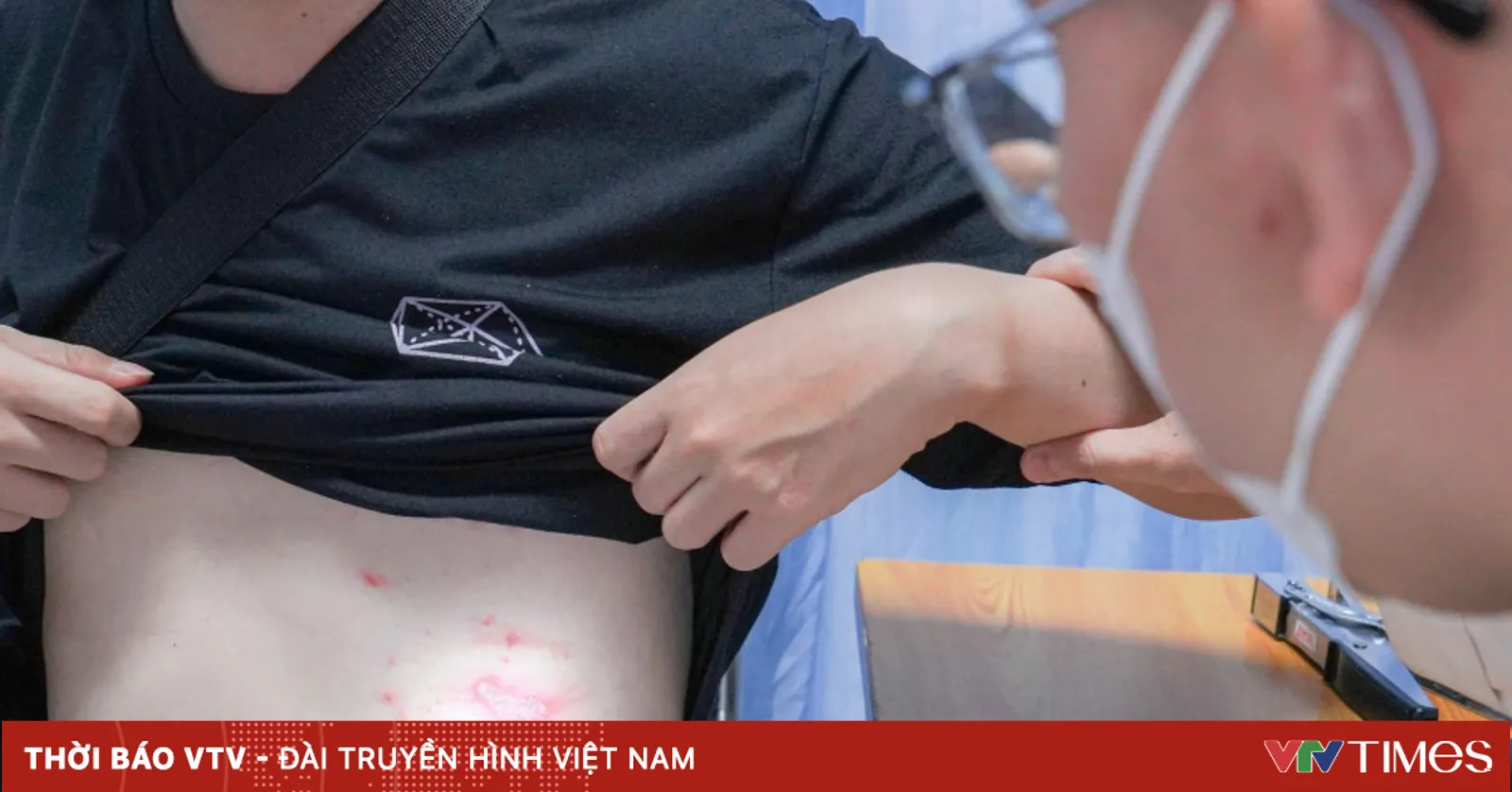
Dermatitis caused by contact with rove beetles—commonly referred to as “paederus dermatitis”—poses a significant public health concern in tropical and subtropical regions. The condition occurs when the hemolymph of the insect, which contains a potent blistering agent known as paederin, comes into contact with human skin. Early recognition and proper clinical management are essential to prevent secondary bacterial infections and potential scarring, according to clinical guidelines established by dermatological health authorities.
Patients often mistake the initial symptoms for a simple allergic reaction or contact dermatitis, leading to delayed or improper self-treatment. Understanding the mechanism of injury and the appropriate first-aid response is critical for those living or traveling in endemic areas where these beetles are prevalent.
Understanding Paederus Dermatitis and Its Causes
Rove beetles (genus Paederus) do not bite or sting. Instead, the injury is caused by the accidental crushing of the insect against the skin, which releases a toxin called paederin. This substance is a potent vesicant that induces inflammation, burning sensations, and the development of vesicles or pustules within 24 to 48 hours of contact, as noted by the Centers for Disease Control and Prevention (CDC) regarding contact-related dermatological conditions.
The resulting lesions often appear as linear, erythematous, and edematous patches, frequently referred to as “mirror-image” lesions when they occur in skin folds. Because the initial contact often happens while the individual is sleeping or unaware, the onset of symptoms can be sudden and confusing for the patient. The World Health Organization (WHO) emphasizes that environmental control, such as using bed nets and reducing artificial light attraction, remains the primary method for preventing exposure to these insects.
Clinical Presentation and Risk of Secondary Infection
The primary danger in managing paederus dermatitis lies in the disruption of the skin barrier. If a patient misidentifies the irritation as a minor allergy and attempts to treat it with inappropriate ointments or by scratching the area, they risk breaking the skin. Once the skin barrier is compromised, opportunistic bacteria such as Staphylococcus aureus or Streptococcus pyogenes can colonize the site, leading to secondary impetigo or cellulitis.
Clinical observation suggests that patients who seek medical attention within the first 24 hours generally experience faster resolution of symptoms. Treatment typically involves thorough cleansing of the affected area with soap and water to remove any residual toxin, followed by the application of topical corticosteroids to manage inflammation. In cases where secondary infection is suspected, medical professionals may prescribe topical or systemic antibiotics based on the severity of the clinical findings.
Guidelines for Immediate First Aid and Medical Care
If you suspect contact with a rove beetle, immediate action can significantly reduce the severity of the reaction. The first step is to wash the area thoroughly with soap and water as soon as possible to neutralize any remaining toxin. Avoid applying heavy ointments or petroleum jelly in the early stages, as these can trap the toxin against the skin and exacerbate the blistering process.
Patients are advised to monitor the site for signs of infection, such as increased warmth, pus, or spreading redness. If the rash covers a large area, involves the face or eyes, or shows signs of infection, consulting a healthcare provider is necessary. The Charité – Universitätsmedizin Berlin research archives on tropical dermatology highlight that while most cases are self-limiting and resolve within two to three weeks, professional oversight is recommended to minimize the risk of post-inflammatory hyperpigmentation.
Preventive Measures in Endemic Areas
Reducing the likelihood of human-beetle interaction is the most effective strategy for prevention. Rove beetles are highly attracted to bright lights, particularly fluorescent lighting found in homes and offices. Using screens on windows and doors, and ensuring that sleeping areas are protected by fine-mesh netting, can significantly reduce the risk of nocturnal contact.

Furthermore, individuals should be cautious when brushing off insects from their skin. Instead of crushing the beetle, it is recommended to gently blow it off or remove it using a piece of paper or a tool. Maintaining clean living environments and managing vegetation near residences may also help in reducing the local population of these insects.
As of the most recent public health bulletins, there are no new regional outbreaks reported, though seasonal monitoring continues in tropical jurisdictions. Residents are encouraged to check local health department websites for any localized advisories regarding insect activity. We invite readers to share their experiences or questions in the comments section below, and we will continue to provide updates as new dermatological research becomes available.