
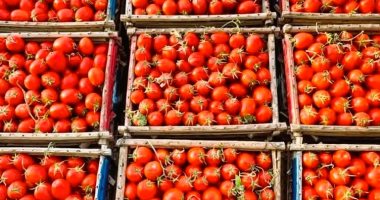
The Egyptian Ministry of Supply and Internal Trade has initiated a campaign to increase the availability of essential produce, specifically tomatoes, across its state-run retail outlets to help stabilize consumer costs. This measure comes as part of a broader government strategy to mitigate price volatility in local markets, where fluctuations in the cost of seasonal vegetables have recently impacted household budgets, according to reports from the Ministry of Supply and Internal Trade.
For consumers, the move is intended to provide a reliable supply of fresh produce at fixed, controlled prices, effectively acting as a market buffer against private sector price hikes. While market prices for vegetables such as tomatoes, lemons, and various fruits remain subject to daily supply-and-demand dynamics at wholesale hubs like the Obour Market, the government-affiliated outlets aim to provide an alternative access point for citizens, as noted by industry analysts tracking Egypt’s agricultural supply chain.
Understanding Current Market Price Trends
Vegetable and fruit prices in Egypt are currently experiencing seasonal variations, influenced by harvest cycles and logistical costs associated with transport to major wholesale centers. Data from the Obour Wholesale Market, a primary indicator for national price trends, shows that while certain items like tomatoes are being prioritized for distribution in state outlets, other commodities such as lemons have seen significant price movements, sometimes reaching levels of 70 Egyptian pounds per kilogram depending on quality and origin.
The pricing structure at state-run outlets is typically designed to be competitive, often lower than the retail prices found in private neighborhood grocery stores. This intervention is part of the state’s ongoing efforts to ensure food security and price transparency for low-to-middle-income families. Consumers are encouraged to monitor updates from the Ministry of Supply regarding the availability of specific products, as stock levels at these outlets can fluctuate based on daily distribution schedules.
Strategic Impact on Household Food Security
The decision to prioritize the distribution of tomatoes at Ministry outlets serves as a direct response to the inflationary pressures affecting the Egyptian food market. By increasing the volume of produce sold through state channels—which include the Egyptian Holding Company for Food Industries outlets—the government seeks to prevent artificial price gouging by middlemen in the private sector. According to the Egyptian Cabinet’s periodic updates on market monitoring, these interventions are essential during periods of high demand or seasonal shortages.
It is important for consumers to differentiate between wholesale prices, which are set at large trading hubs, and the final retail prices paid at the point of sale. While wholesale markets operate on high-volume bidding, the state-subsidized retail outlets provide a fixed-price environment. This two-tiered system allows for a measure of economic protection for the average consumer, provided that the supply chain to these government outlets remains consistent throughout the harvest season.
How to Access State-Regulated Outlets
Citizens looking to purchase produce at government-subsidized rates can locate authorized outlets through the official Ministry of Supply digital portals or by visiting local branches of the consumer cooperatives affiliated with the ministry. These locations are explicitly tasked with displaying official price lists to ensure transparency. The government maintains a national portal for government services where residents can find information regarding public market initiatives and contact details for consumer protection authorities.

The next phase of this market stabilization strategy will likely involve continued monitoring of crop yields and transport logistics to ensure that the supply of tomatoes and other seasonal produce remains steady through the coming months. Authorities have indicated that they will continue to adjust supply volumes based on real-time market performance and consumer demand. Readers are encouraged to share their experiences with local availability in the comments section below to help others stay informed about the latest developments in their respective regions.