
The U.S. Centers for Disease Control and Prevention (CDC) has reported a Norovirus outbreak on the Caribbean Princess, marking a concerning trend of infectious disease clusters aboard high-capacity cruise ships. According to reports released on May 10, 115 individuals—including both passengers and crew—have been infected with the highly contagious gastrointestinal virus while sailing in the Caribbean. This outbreak occurred on a vessel carrying approximately 4,000 people, highlighting the persistent challenges of maintaining sterile environments in dense, floating communities.
As a physician and health journalist, I have seen how quickly viral pathogens can propagate in confined spaces. The “cruise ship effect” creates a perfect storm for Norovirus: shared dining areas, high-touch surfaces like railings and elevator buttons, and the close proximity of thousands of people from diverse geographic origins. When a virus as resilient as Norovirus enters this ecosystem, the window for containment is incredibly small.
This incident follows closely on the heels of reports regarding Hantavirus concerns on a cruise ship in the Atlantic, suggesting a period of heightened vulnerability for the maritime travel industry. For travelers, these events underscore the importance of rigorous personal hygiene and a clear understanding of the health protocols enacted by cruise lines and monitored by international health authorities.
The Caribbean Princess Outbreak: CDC Findings
The current situation aboard the Caribbean Princess serves as a stark reminder of the volatility of shipboard health. With 115 confirmed cases among a population of roughly 4,000, the infection rate—while relatively low in percentage terms—represents a significant operational challenge for the ship’s medical staff and sanitation crews. The CDC’s Vessel Sanitation Program (VSP) is the primary mechanism for monitoring these events, requiring cruise lines to report any gastrointestinal illness (GI) outbreak that exceeds a specific threshold of the onboard population.
In these scenarios, the CDC typically works with the cruise operator to implement enhanced cleaning protocols. This often includes the use of bleach-based disinfectants, as Norovirus is notoriously resistant to many common alcohol-based hand sanitizers. The goal is to break the chain of transmission before the virus reaches a critical mass that could necessitate a full-ship quarantine or a premature return to port.
The timing of this outbreak is particularly sensitive, coming as the industry continues to navigate the complexities of post-pandemic health screenings and the return of full-capacity sailing. The mention of a previous Hantavirus scare in the Atlantic further complicates the public perception of cruise safety, shifting the focus from respiratory viruses back to enteric and zoonotic threats.
Understanding Norovirus: The “Cruise Ship Flu”
To the layperson, Norovirus is often dismissed as a simple “stomach bug,” but from a clinical perspective, it is one of the most efficient pathogens in existence. Norovirus is a non-enveloped virus, meaning it lacks a lipid outer membrane. This structural characteristic makes it incredibly hardy; it can survive freezing temperatures and resist many household cleaners that easily destroy enveloped viruses like influenza or SARS-CoV-2.
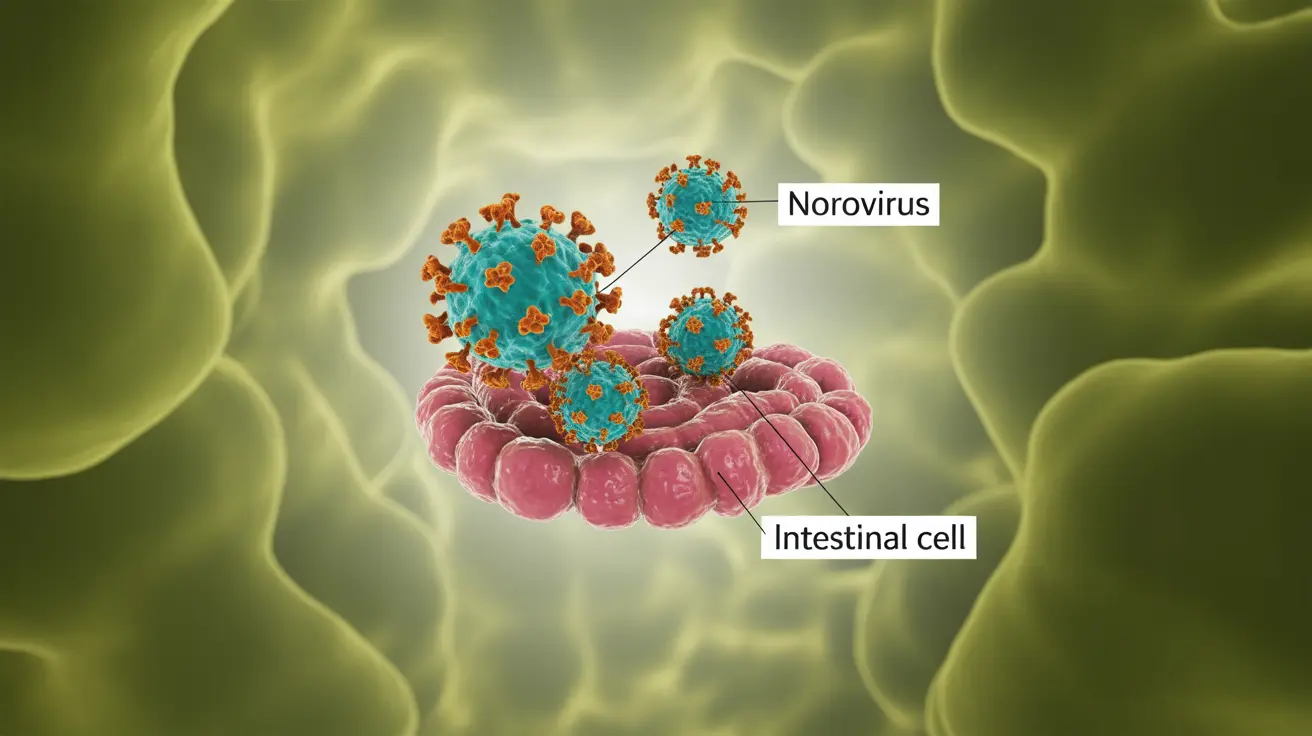
The primary symptoms of Norovirus include sudden onset of nausea, projectile vomiting, watery diarrhea, and stomach cramps. While usually self-limiting and resolving within one to three days, the intensity of the symptoms can lead to severe dehydration, particularly in elderly passengers or those with underlying health conditions. According to the CDC’s official guidance on Norovirus, the virus is transmitted through the fecal-oral route, often via contaminated food, water, or surfaces.
What makes Norovirus particularly dangerous on a cruise ship is the low infectious dose. It takes only a few viral particles to make a person sick. Once a single infected individual touches a common surface—such as a buffet spoon or a door handle—hundreds of other passengers can be exposed within hours. This exponential growth is why rapid identification and isolation are the only effective ways to halt an outbreak.
The Challenges of Infection Control at Sea
Managing a Norovirus outbreak on the Caribbean Princess requires a coordinated effort between the ship’s medical team and the shoreside corporate health officers. The environment of a modern cruise ship is designed for luxury and flow, but from an epidemiological standpoint, it is a series of interconnected hubs that facilitate the movement of pathogens.
Key challenges in maritime infection control include:
- Surface Persistence: Norovirus can live on hard surfaces for weeks if not properly disinfected with specific chlorine-based agents.
- Asymptomatic Shedding: Infected individuals can shed the virus before they show symptoms and continue to do so for days or weeks after they feel better.
- High-Touch Zones: Buffets, elevators, and theater seating are inevitable “hot zones” where the virus can spread rapidly.
- Ventilation and Humidity: While Norovirus is not primarily airborne, the aerosolization of vomit can spread the virus to nearby surfaces and people.
When the CDC identifies an outbreak, the ship is typically required to move into a “heightened” sanitation mode. This involves increasing the frequency of cleaning in public areas and potentially restricting access to certain high-risk zones, such as self-service food stations, in favor of crew-served dining.
Passenger Safety and Prevention Strategies
While cruise lines employ professional sanitation teams, the ultimate line of defense is the passenger. Many travelers rely exclusively on hand sanitizer, but as noted, alcohol-based gels are often ineffective against Norovirus. The most effective way to prevent infection is through traditional handwashing with soap and warm water for at least 20 seconds.
For those currently sailing or planning a trip, I recommend the following precautions:
- Prioritize Soap and Water: Use handwashing stations before every meal and after visiting public areas.
- Avoid High-Risk Food: In the event of a known outbreak, avoid raw shellfish or produce that may have been handled by infected crew members.
- Report Symptoms Immediately: The faster the medical team knows about a case, the faster they can isolate the source and prevent a wider outbreak.
- Clean Personal Spaces: Use disinfectant wipes on high-touch areas within your cabin, such as the remote control and door handles.
Key Takeaways for Travelers
| Factor | Risk/Action | Recommended Response |
|---|---|---|
| Sanitization | Alcohol gels are often ineffective | Wash hands with soap and water |
| Symptoms | Vomiting, diarrhea, nausea | Isolate and notify ship medical staff |
| Transmission | Contaminated surfaces/food | Avoid self-service during outbreaks |
| Recovery | Dehydration risk | Increase fluid and electrolyte intake |
Looking Ahead: The Future of Maritime Health
The recurrence of outbreaks—from Hantavirus in the Atlantic to Norovirus in the Caribbean—suggests that the cruise industry must evolve its approach to public health. We are seeing a shift toward more integrated health monitoring, where real-time data from onboard clinics is shared more transparently with agencies like the CDC.

The goal is to move from a reactive posture (cleaning after an outbreak starts) to a proactive one (identifying “pre-outbreak” signals). This could include more rigorous pre-boarding health screenings or the implementation of advanced UV-C sterilization systems in high-traffic corridors.
For now, the situation on the Caribbean Princess remains under the observation of health authorities. The focus will be on stabilizing the number of cases and ensuring that the 115 infected individuals receive appropriate supportive care to prevent complications.
The next confirmed checkpoint for this event will be the follow-up report from the CDC’s Vessel Sanitation Program, which will detail the effectiveness of the containment measures and the eventual resolution of the outbreak. We will continue to monitor these reports to provide updates on passenger safety and industry-wide health trends.
Do you have experience with cruise ship health protocols, or have you encountered similar issues during your travels? Share your thoughts and experiences in the comments below to help other travelers stay informed.
Related reading