The 2026 Hot Docs Canadian International Documentary Festival, running from April 23 to May 3 in Toronto, will feature 17 films supported by the Sundance Institute, highlighting a continued partnership between two of North America’s most influential documentary organizations. This year’s lineup includes premieres from the 2026 Sundance Film Festival, as well as projects developed through Sundance’s Documentary Film Program and Artist Accelerator initiative.
Now in its 33rd edition, Hot Docs will present 115 films from 51 countries, making it the largest documentary festival in North America. The Sundance-supported selections span a range of global issues, from Indigenous repatriation efforts and wartime love stories to investigations into artificial intelligence and animal welfare, reflecting the festivals’ shared commitment to nonfiction that informs, challenges, and expands the art form.
Among the featured titles is Aanikoobijigan [ancestor/great-grandparent/great-grandchild], which won the Audience Award: NEXT at the 2026 Sundance Film Festival. The film follows tribal repatriation specialists working to return Indigenous human remains from museum archives, exploring the intersection of history, spirituality, and legal frameworks surrounding cultural heritage.
Another Sundance premiere, Birds of War, received the World Cinema Documentary Special Jury Award for Journalistic Impact. It chronicles the 13-year relationship between a London-based Lebanese journalist and a Syrian activist and cameraman, using personal archives to document their love story amid revolution, war, and exile.
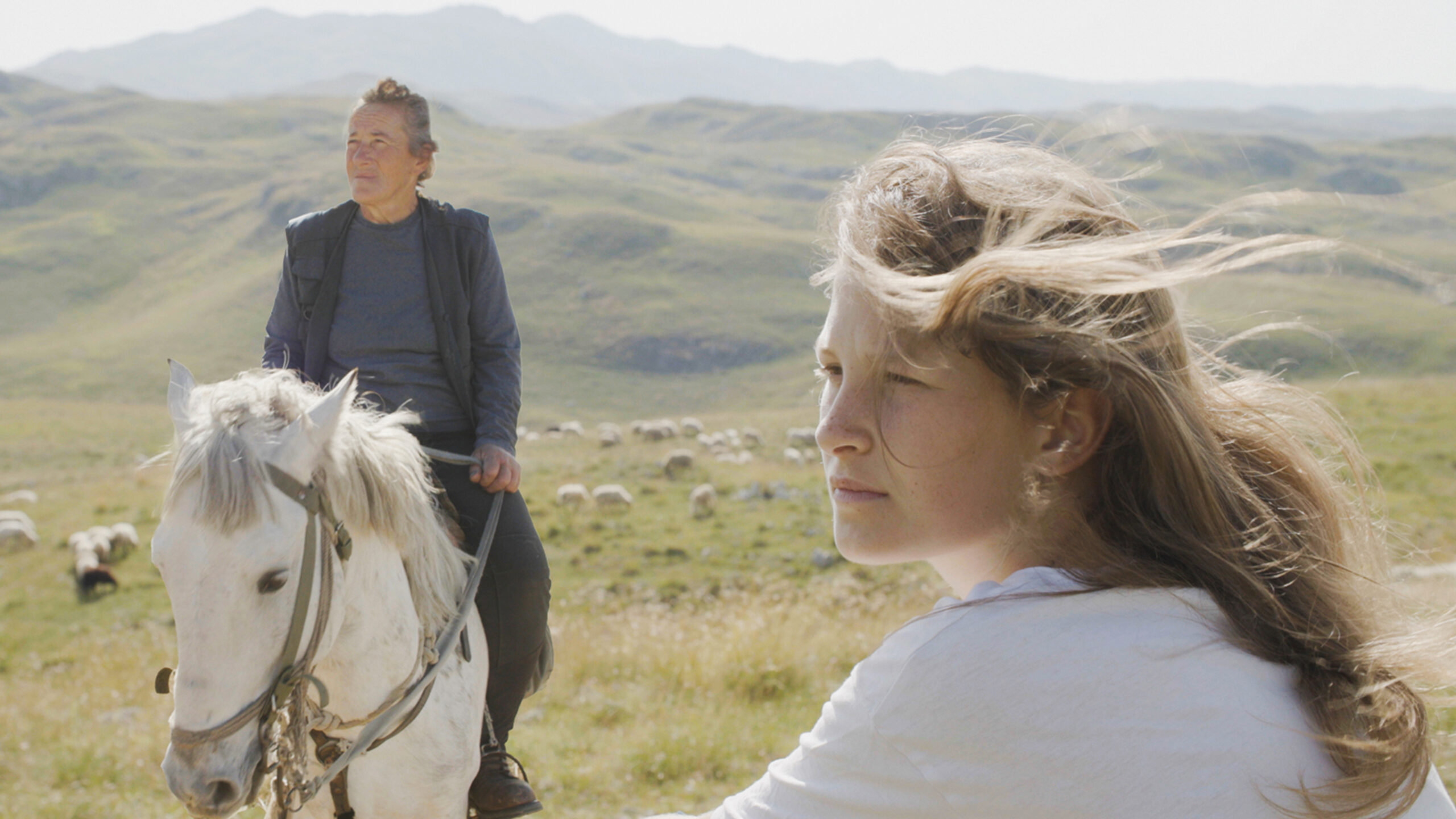
The World Cinema Grand Jury Prize: Documentary at Sundance went to To Hold a Mountain, which centers on a shepherd mother and daughter in Montenegro’s remote highlands as they resist plans to convert their ancestral land into a NATO military training ground. The film examines how intergenerational memory and environmental stewardship intersect with geopolitical tensions.
Also screening is #WhileBlack, a documentary supported by Sundance’s Documentary Film Program that features Darnella Frazier, who filmed the murder of George Floyd. The film investigates the personal and societal costs of viral videos involving Black individuals, addressing issues of surveillance, online harassment, and platform accountability.
Additional Sundance-backed features include American Doctor, which follows three physicians of Palestinian, Jewish, and Zoroastrian faith as they enter Gaza to provide medical care amid political turmoil; Baby Jackfruit Baby Guava, a time-bending narrative from the Artist Accelerator program about a family confronting intergenerational trauma through rediscovered diaries; and Barbara Forever, winner of the Jonathan Oppenheim Editing Award: U.S. Documentary, which traces the life and legacy of pioneering lesbian filmmaker Barbara Hammer through archival material.
Other titles in the Hot Docs lineup from Sundance programs are Ghost in the Machine, examining the cultural and political origins of AI hype; Jaripeo, a queer-centered exploration of masculinity and memory in Mexican rodeo culture; My Father and Qaddafi, a daughter’s search for her disappeared father, a Libyan opposition leader; Public Access, an archival look at New York’s underground public television movement; Sentient, which questions the ethics of animal research through the journey of primatologist Dr. Lisa Jones Engel; The Oldest Person in the World, a decade-long global portrait of longevity record holders; Time and Water, in which Icelandic writer Andri Snær Magnason uses personal archives to respond to glacial loss and familial grief; and When A Witness Recants, which revisits a 1983 Baltimore case that led to the wrongful conviction of three teenagers, later popularized by Ta-Nehisi Coates.
The festival also includes two short films from the 2026 Sundance Film Festival: Some Kind of Refuge, set along the Mississippi River in New Orleans and focusing on the last members of a vanishing outsider community; and Tuktuit : Caribou, an Inuit-made exploration of human-caribou relationships using handmade film emulsion to document ecological and cultural resilience.
Hot Docs 2026 continues its tradition of serving as a vital platform for documentary storytelling, offering audiences access to films that often move on to influence public discourse and policy. The festival’s collaboration with the Sundance Institute underscores a shared mission to support nonfiction creators who push boundaries and amplify underrepresented voices.
For viewers unable to attend in person, Hot Docs typically offers select screenings through its online platform following the festival’s conclusion. Updates on virtual access, ticketing, and scheduled Q&A sessions with filmmakers are available through the festival’s official website.
As the documentary landscape evolves, festivals like Hot Docs and Sundance remain critical in determining which stories reach wider audiences. The 17 Institute-supported films screening in Toronto this spring represent a diverse array of approaches to truth-telling, from intimate personal histories to expansive global investigations.
Stay informed about upcoming screenings and filmmaker conversations by visiting the Hot Docs website. Share your thoughts on which films resonated most and join the conversation about the power of documentary to reflect and shape our world.