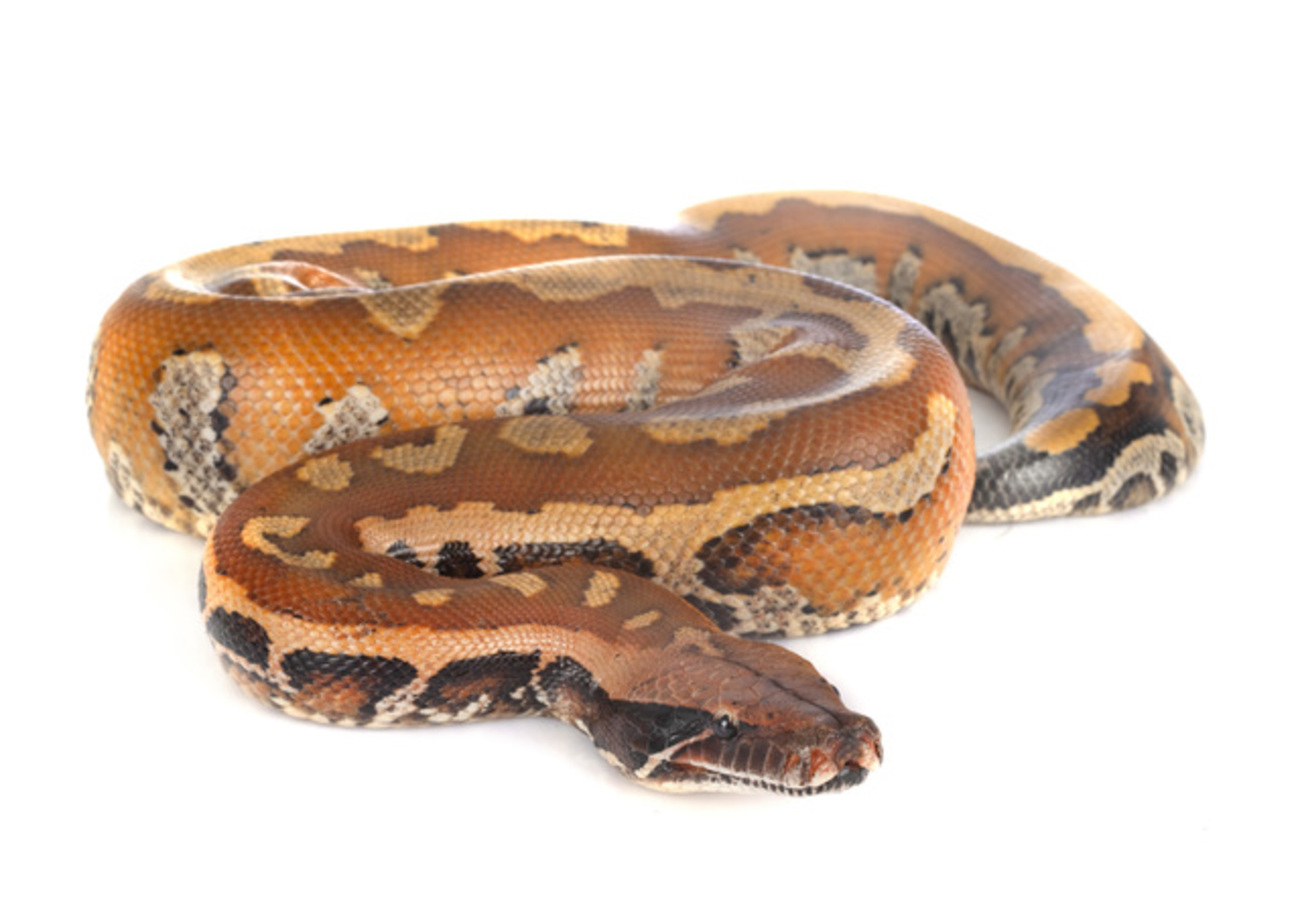
Massive Escaped Snake Reported in Japan: Authorities Urge Caution After 1m+ Python Spotted in Niigata Home Center
Residents of Japan’s Niigata Prefecture are being advised to exercise extreme caution after reports of a massive escaped snake—likely a Malayan Python measuring over 1 meter in length—was spotted in a home center in Joetsu City. Authorities confirmed the potential escape on Monday, May 18, 2026, and have issued urgent warnings about the dangers posed by the reptile, which is known to be nocturnal and capable of inflicting painful bites.
The snake, described as a Malayan Python (Python bivittatus), is one of the largest constrictor species in the world and has been documented reaching lengths of up to 6 meters in the wild. While the escaped specimen is reported to measure between 100 and 130 centimeters—still capable of delivering a severe bite—the species is also known for its strength and potential to cause injury if provoked. Local police have advised residents to avoid approaching the area and to report any sightings immediately.
This incident follows a pattern of exotic pet escapes in Japan, where strict regulations on the ownership of large reptiles have been tightened in recent years due to safety concerns. The Niigata Prefectural Police have not yet confirmed whether the snake is still at large, but the home center in question—located in the Shimogomon area of Joetsu City—has been placed under heightened security protocols.
What We Know So Far
According to verified reports from multiple Japanese news agencies, the following details have been confirmed:
- Species: Likely a Malayan Python (Python bivittatus), a species native to Southeast Asia known for its size and constricting behavior.
- Reported Length: Between 100 and 130 centimeters (approximately 3.3 to 4.3 feet), though individual specimens can grow significantly larger.
- Location: Shimogomon area of Joetsu City, Niigata Prefecture, in a home center (exact business name withheld pending official confirmation).
- Escape Date: Confirmed on May 18, 2026, with reports suggesting the snake may have been housed in a pet or reptile section of the store.
- Behavior: Malayan Pythons are nocturnal and may remain hidden during daylight hours, increasing the risk of unexpected encounters.
- Safety Risk: While not venomous, the species is known to bite when threatened, and its constricting strength can cause serious injury.
Public Safety Advisory: The Niigata Prefectural Police have issued the following guidelines:
- Do not attempt to approach or handle the snake.
- Keep children and pets indoors, especially during nighttime hours.
- Report any sightings immediately to local authorities via 110 (Japan’s emergency police number).
- Avoid dense vegetation or areas where the snake may seek shelter.
Why This Incident Raises Concerns
The escape of a large constrictor snake in a populated urban area is particularly alarming due to several factors:

- Urban Wildlife Risks: Japan has seen a rise in exotic pet escapes, particularly in densely populated areas where home centers and pet stores are common. A 2025 study by the Japanese Ministry of the Environment highlighted a 23% increase in reported exotic animal incidents over the past five years.
- Nocturnal Behavior: Malayan Pythons are primarily active at night, meaning residents may not realize they are in close proximity until an encounter occurs. The species is also known to hide in warm, enclosed spaces, such as basements or storage areas.
- Legal and Ethical Questions: The ownership of large constrictor snakes is heavily regulated in Japan. Under the Animal Protection and Management Law, exotic reptiles require special permits, and violations can result in fines or confiscation. Authorities are likely investigating whether the home center or an individual violated these regulations.
- Public Health Implications: While Malayan Pythons are not venomous, their bites can cause infection, tissue damage, and require medical attention. The Niigata Prefectural Government has advised residents to monitor for signs of infection, such as redness, swelling, or fever, following any potential exposure.
Expert Reactions: What This Means for Japan
Herpetologists and wildlife safety experts have weighed in on the implications of this escape:

“Malayan Pythons are not native to Japan, and their presence in urban environments poses significant risks—not just to public safety, but also to local ecosystems,” said Dr. Kenji Tanaka, a reptile specialist at Tokyo’s National Museum of Nature and Science. “While the escaped individual may not survive long-term in Japan’s climate, the incident underscores the need for stricter regulations on exotic pet ownership.”
Dr. Tanaka added that the escape could also serve as a catalyst for renewed discussions about Japan’s exotic pet trade, which has faced scrutiny in recent years over similar incidents involving large reptiles, venomous snakes, and even big cats. The Japanese Ministry of Health, Labour and Welfare has previously issued warnings about the dangers of keeping exotic animals as pets, particularly in households with children.
What Residents Should Do
Key Actions for the Public
- Stay Informed: Monitor updates from the Niigata Prefectural Police and local news outlets. Official statements will be released as the situation develops.
- Secure Your Property: Check basements, garages, and outdoor storage areas for signs of the snake, particularly during dusk and dawn when it may be most active.
- Educate Children: Teach children about the dangers of approaching unknown animals and to immediately inform an adult if they see anything unusual.
- Report Suspicious Activity: If you suspect the snake has entered your home or property, contact local authorities or animal control services without attempting to handle it.
- First Aid Preparedness: Keep a basic first aid kit on hand in case of bites or scratches, and seek medical attention promptly if exposed.
Japan’s Growing Challenge with Exotic Pet Escapes
This is not the first time Japan has faced challenges with escaped exotic animals. In recent years, incidents have included:
- A venomous king cobra escaping from a private collection in Osaka Prefecture in 2025, leading to a citywide search.
- Multiple reports of large constrictor snakes (including Burmese Pythons) found in urban areas, raising concerns about their impact on native wildlife.
- Incidents involving big cats, such as tigers and leopards, escaping from private owners or unlicensed facilities.
These cases have led to calls for stronger enforcement of Japan’s Animal Welfare Act, which governs the ownership and care of exotic animals. The Niigata incident may prompt local authorities to review their own regulations, particularly in light of the home center’s role in the escape.
What Happens Next?
As of this writing, authorities are taking the following steps:
- Search and Rescue: Police and animal control teams are conducting searches in the Shimogomon area, focusing on likely hiding spots such as drainage systems, dense vegetation, and abandoned buildings.
- Public Awareness Campaigns: Local government agencies are preparing informational materials to educate residents about the dangers of Malayan Pythons and how to respond if they encounter the snake.
- Investigation: Authorities are investigating whether the home center or an individual violated Japan’s exotic pet ownership laws. Penalties for illegal possession can include fines and confiscation of the animal.
- Ecosystem Monitoring: Environmental agencies are assessing the potential impact on local wildlife, particularly if the snake establishes a presence in the area.
The next official update is expected within 48 hours, pending further developments. Residents are advised to remain vigilant and follow all safety guidelines issued by local authorities.
Share Your Thoughts
Have you or someone you know encountered an escaped exotic animal in Japan? What measures do you think should be taken to prevent future incidents? Share your experiences and suggestions in the comments below.
For the latest updates on this story, bookmark this page or follow World Today Journal for breaking news and analysis on global safety and environmental issues.
Worth a look