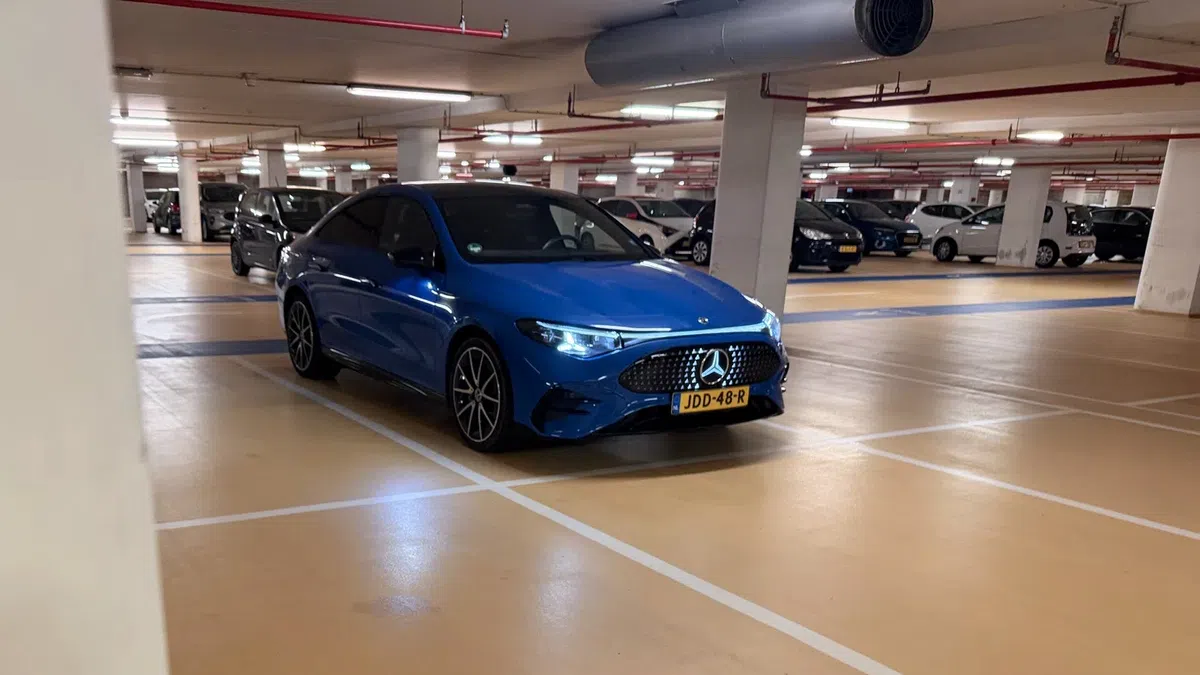
As the automotive landscape shifts toward electrification, the 2025 Mercedes-Benz CLA-Class has emerged as a focal point for those balancing the prestige of the luxury brand with the realities of modern long-distance travel. For professionals and enthusiasts alike, the question is no longer just about the transition to electric powertrains, but how these vehicles handle the rigors of daily commuting and extended highway journeys. The latest iteration of the CLA-Class promises to bridge the gap between performance-oriented aesthetics and sustainable utility, yet real-world application reveals a complex picture for prospective buyers.
For drivers who prioritize comfort during prolonged periods behind the wheel, the 2025 CLA-Class makes a compelling case. The ergonomics of the cabin, particularly the seating configurations, have been engineered to support the body during long-haul transit. However, this focus on the front-row experience often comes at a cost to rear-seat passengers. As luxury manufacturers refine their electric offerings, the trade-offs between sleek, coupe-like design and interior volume remain a central theme in industry analysis.
Engineering the Modern Highway Cruiser
The 2025 Mercedes-Benz CLA-Class is designed to function as an efficient, comfortable highway cruiser. Mercedes-Benz has consistently emphasized the importance of cabin refinement, a philosophy that remains evident in this latest release. By focusing on noise dampening, material quality, and seat adjustability, the manufacturer aims to mitigate the fatigue often associated with high-speed travel. According to official Mercedes-Benz communications regarding their electric vehicle strategy, the integration of advanced driver assistance systems and improved aerodynamics is intended to maximize energy efficiency while maintaining the brand’s signature luxury feel.
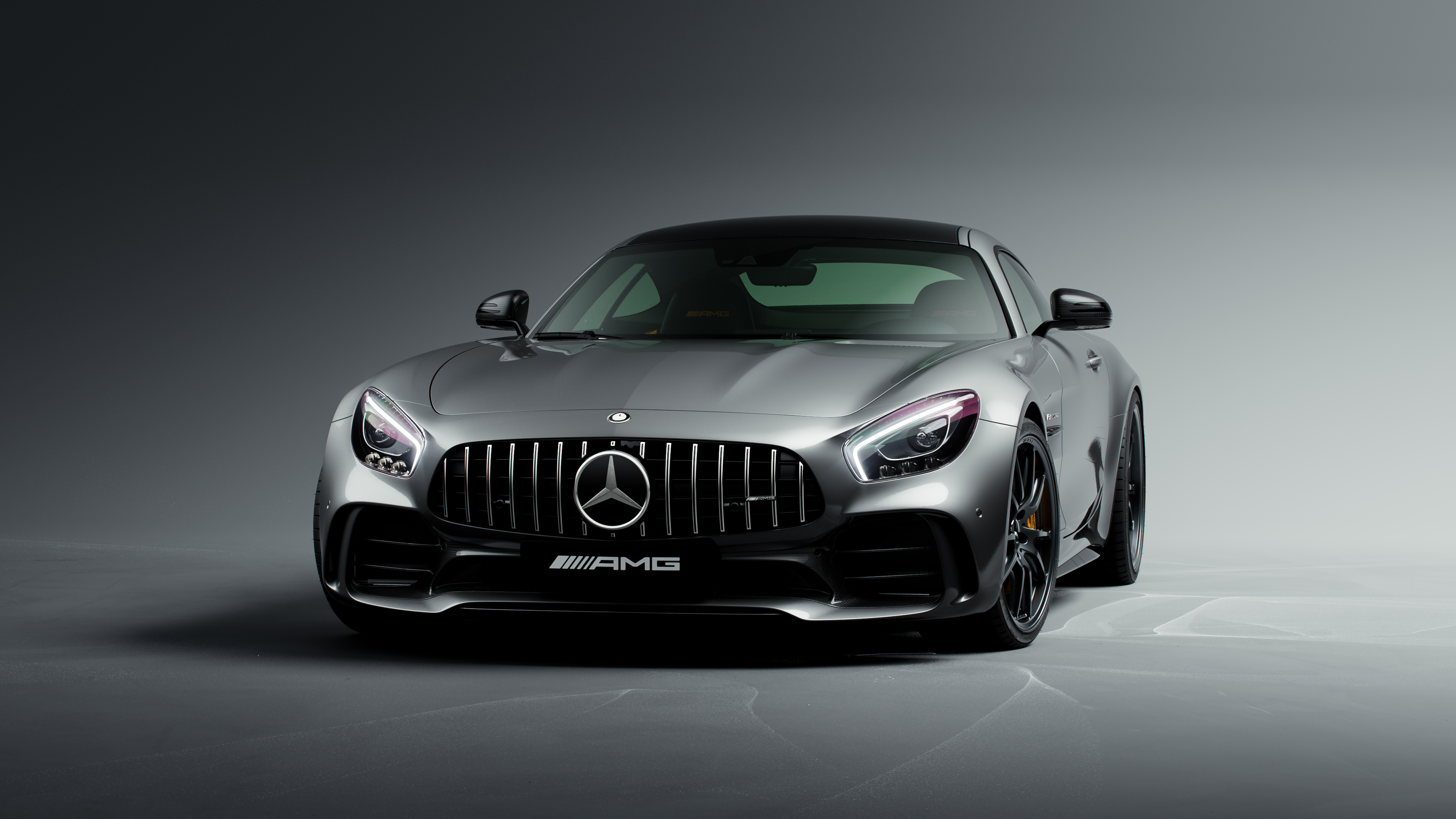
While the front-seat experience is frequently highlighted for its comfort, the architectural constraints of the CLA’s silhouette inevitably influence the rear cabin. The sloping roofline, which contributes significantly to the vehicle’s drag coefficient and visual appeal, results in limited headroom for taller passengers. This design choice highlights a recurring challenge for automotive engineers: reconciling the aesthetic demands of a four-door coupe with the practical requirements of a family-oriented sedan.
Evaluating Performance and Charging Infrastructure
A critical component of evaluating any modern electric vehicle is understanding the charging experience. For the 2025 CLA-Class, users are navigating an ecosystem that is rapidly evolving. The efficiency of the powertrain and the speed at which the vehicle can replenish its battery are paramount. Industry data, such as that provided by the International Energy Agency’s Global EV Outlook, indicates that the growth of high-power charging infrastructure is essential for the widespread adoption of electric luxury vehicles. Drivers must consider how their specific charging habits align with the vehicle’s onboard technology.
the integration of software and battery management systems plays a pivotal role in the ownership experience. Modern vehicles are increasingly defined by their digital interfaces and the ability to optimize power consumption in real-time. For the 2025 model year, Mercedes-Benz has continued to refine its MBUX infotainment system to provide drivers with clearer insights into energy usage, range estimation, and charging station availability, as detailed in official company press releases concerning vehicle technology updates.
Strategic Considerations for Prospective Buyers
When considering the 2025 Mercedes-Benz CLA-Class, potential owners should weigh their individual use cases. If the primary objective is solo or duo commuting with a focus on ride quality, the vehicle performs exceptionally well in its role as a comfortable cruiser. The interior appointments and suspension tuning are clearly optimized for this demographic. Conversely, those who frequently transport passengers in the rear seats may find the spatial limitations a significant factor in their decision-making process.
Beyond the cabin dynamics, the broader economic context of the luxury electric vehicle market is worth noting. Factors such as residual value, maintenance requirements for electric powertrains, and the ongoing expansion of charging networks are all variables that influence the total cost of ownership. As reported by the Organisation for Economic Co-operation and Development (OECD) on electric vehicle policy and market development, government incentives and infrastructure investments continue to play a foundational role in shaping consumer choice across international markets.
Looking Ahead: The Evolution of the CLA-Class
As we move through 2026, the automotive industry continues to monitor how consumer feedback influences future model iterations. Mercedes-Benz remains committed to its long-term electrification goals, with scheduled updates to its product roadmap expected to reflect advancements in battery density and charging software. For current and prospective owners, staying informed through official manufacturer channels is the best way to track forthcoming software improvements and service advisories.
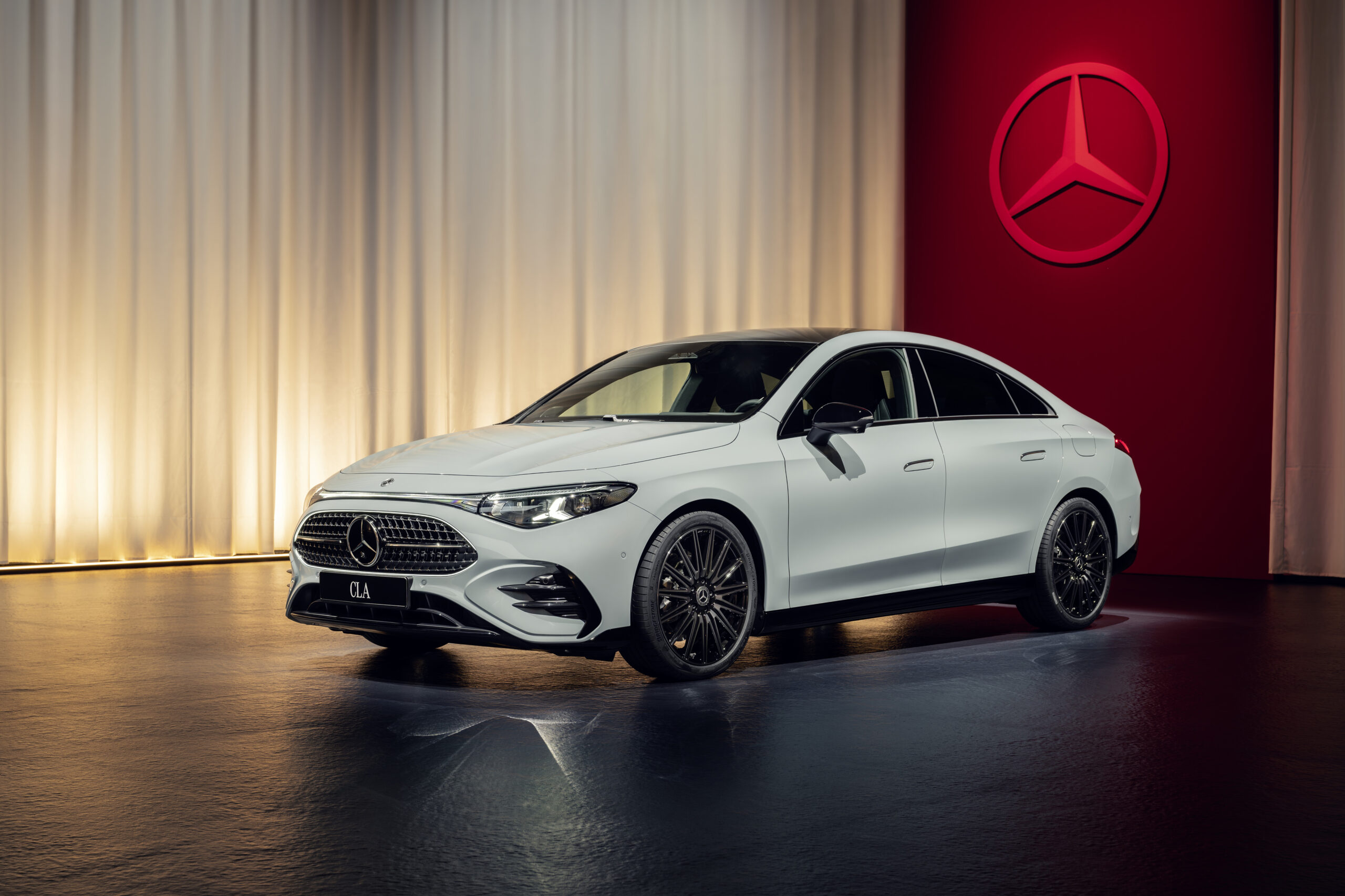
We encourage our readers to share their own experiences with the 2025 Mercedes-Benz CLA-Class in the comments section below. Whether you have found the charging experience to be seamless or have specific feedback regarding the vehicle’s ergonomics, your insights contribute to a more comprehensive understanding of this complex market segment. Join our community for further updates on the evolving world of luxury transportation and sustainable mobility.
Keep reading