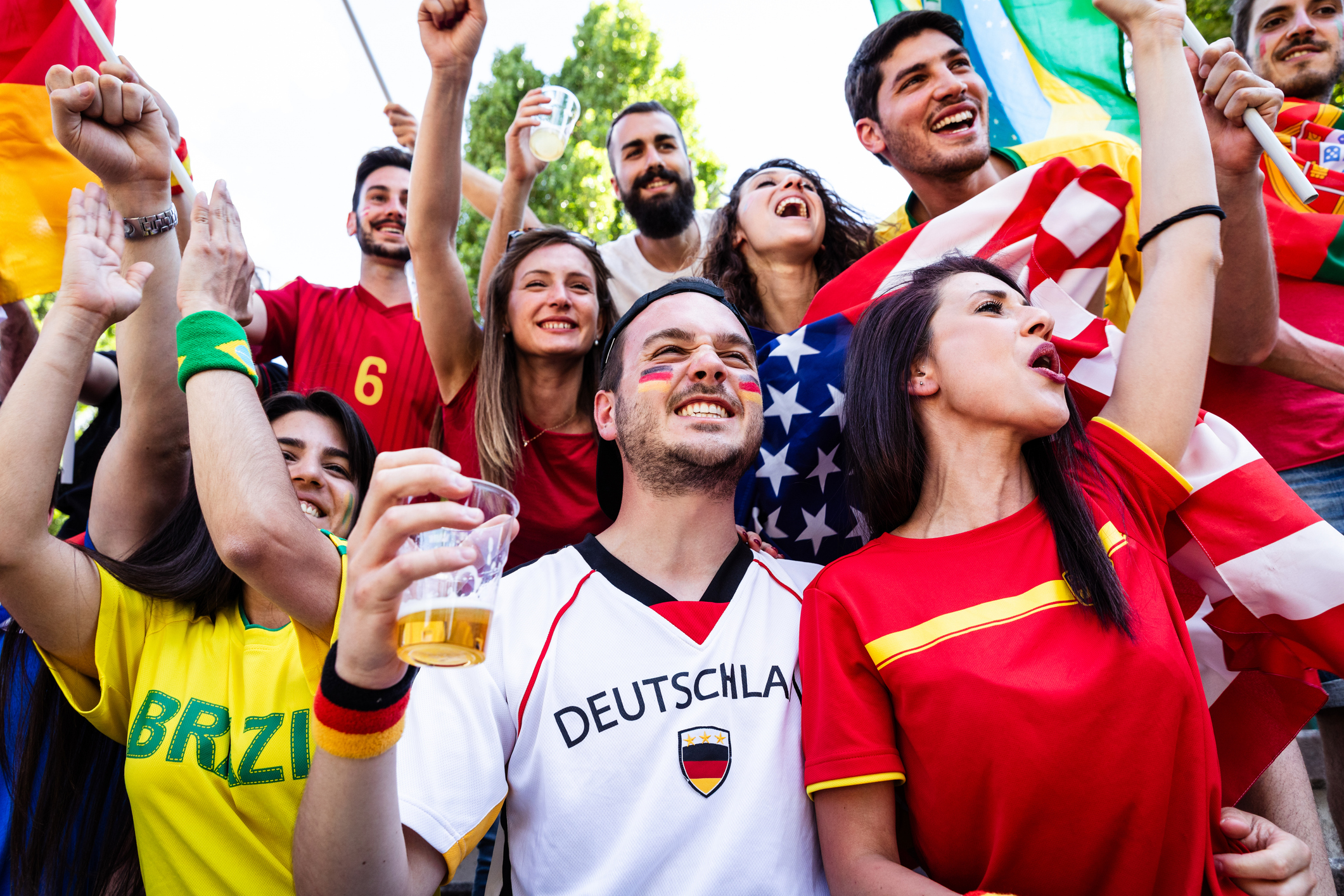
Fans attending the 2026 FIFA World Cup should prepare for significant price discrepancies in stadium concessions, as estimates suggest a single beer could cost as much as $16.50 in Los Angeles compared to approximately $2.75 in Guadalajara. According to reports from Playerstime, the cost of beverages at the tournament will vary drastically depending on the host city and the country in which matches are held.
The 2026 tournament, hosted jointly by the United States, Mexico, and Canada, marks the first time the competition will feature an expanded 48-team format. This expansion is expected to bring a massive influx of international travelers, making the cost of local amenities—including food and drink—a primary concern for tournament budgeting. The projected price gap between North American venues highlights the economic differences between the tournament’s various host regions.
Projected beverage costs in Los Angeles versus Guadalajara
The disparity in refreshment pricing is most evident when comparing the West Coast of the United States with the host cities in Mexico. Data analyzed by Playerstime indicates that attendees in Los Angeles could face premium pricing for standard stadium fare. In Los Angeles, a single pint of beer is projected to reach a high of $16.50.

In contrast, match-goers in Guadalajara, Mexico, are expected to encounter much lower costs. The same beverage is estimated to cost roughly $2.75 in the Mexican host city. This represents a price difference of nearly 500% between the two locations, illustrating the significant impact that local market conditions and currency values will have on the fan experience.
While these figures are projections based on current economic trends and local pricing models, they serve as a benchmark for the potential financial requirements of traveling supporters. The cost of attending the World Cup 2026 extends beyond ticket prices and flights, encompassing daily expenses that fluctuate based on geography.
| Host City | Estimated Beer Price (Per Pint) | Region |
|---|---|---|
| Los Angeles | $16.50 | United States |
| Guadalajara | $2.75 | Mexico |
Economic drivers behind stadium concession pricing
Several factors contribute to the wide range of expected prices for the FIFA World Cup 2026. The primary driver is the difference in the cost of living and local inflation rates between the United States and Mexico. In the United States, stadium concessions are often subject to high overhead costs, including venue management fees, local taxes, and labor costs, which are typically passed on to the consumer.
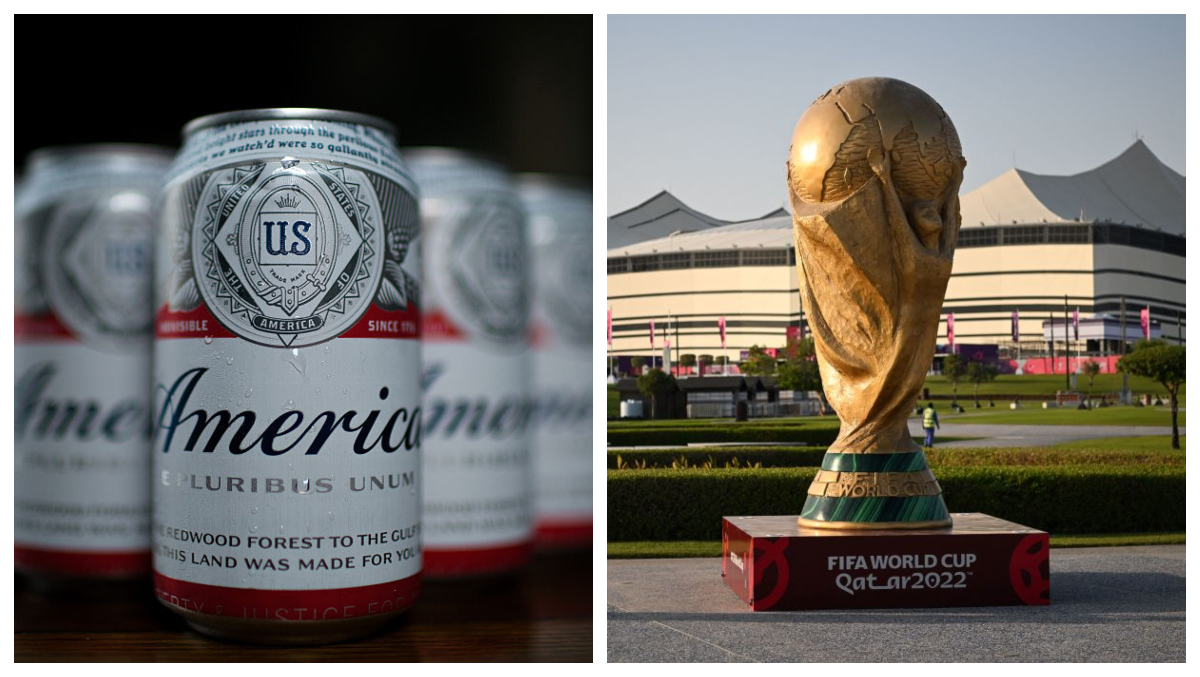
The operational models of stadiums also play a role. Many major venues in the United States utilize exclusive vendor contracts that allow for premium pricing during high-demand events. In Mexico, while large-scale stadiums like those in Guadalajara and Mexico City also implement controlled concession models, the base cost of goods and service labor remains lower than in their American counterparts.
Furthermore, the scale of the 2026 tournament introduces unique supply chain considerations. With matches spread across three countries, the logistics of transporting goods to various host cities can influence the final retail price. For fans traveling between the United States, Mexico, and Canada, these price shifts mean that a “match day budget” must be highly localized to avoid unexpected expenses.
Budgeting for the 2026 FIFA World Cup
For supporters planning to attend multiple matches, the variation in host city costs necessitates a strategic approach to travel. Fans attending matches in the United States, such as in Los Angeles, Dallas, or New York, should account for higher daily expenditures on food, transport, and accommodation. These cities are already known for high service costs, which are likely to intensify during a global sporting event.
Conversely, matches held in Mexican cities like Guadalajara, Monterrey, or Mexico City may offer more affordable options for dining and refreshments. However, travelers should still account for fluctuations in exchange rates and the potential for “event pricing” in popular tourist areas. The expanded 48-team format means fans may spend more time in a single region or travel across borders, making it essential to track the specific economic landscape of each host destination.
Beyond food and drink, other major expenses for the tournament include:

- Match Tickets: Prices will vary based on the stage of the tournament and the demand for specific matchups.
- Accommodation: Hotel and short-term rental prices in host cities are expected to surge as match schedules are finalized.
- Local Transportation: Costs for public transit and ride-sharing services will differ significantly between U.S., Mexican, and Canadian venues.
- Visa and Travel Documents: Fans traveling between the three host nations must ensure they meet all entry requirements for each specific country.
As FIFA continues to finalize the logistical details for the 2026 tournament, fans are encouraged to monitor official updates regarding stadium policies and ticketing. While the cost of a beer may vary, the overall economic impact of the tournament is expected to be record-breaking due to the increased number of matches and participating nations.
Official updates regarding the FIFA World Cup 2026 match schedule and ticket availability are expected to be released through FIFA’s official communication channels in the coming months.
What are your thoughts on the projected costs for the 2026 World Cup? Let us know in the comments below and share this article with fellow fans.
Keep reading