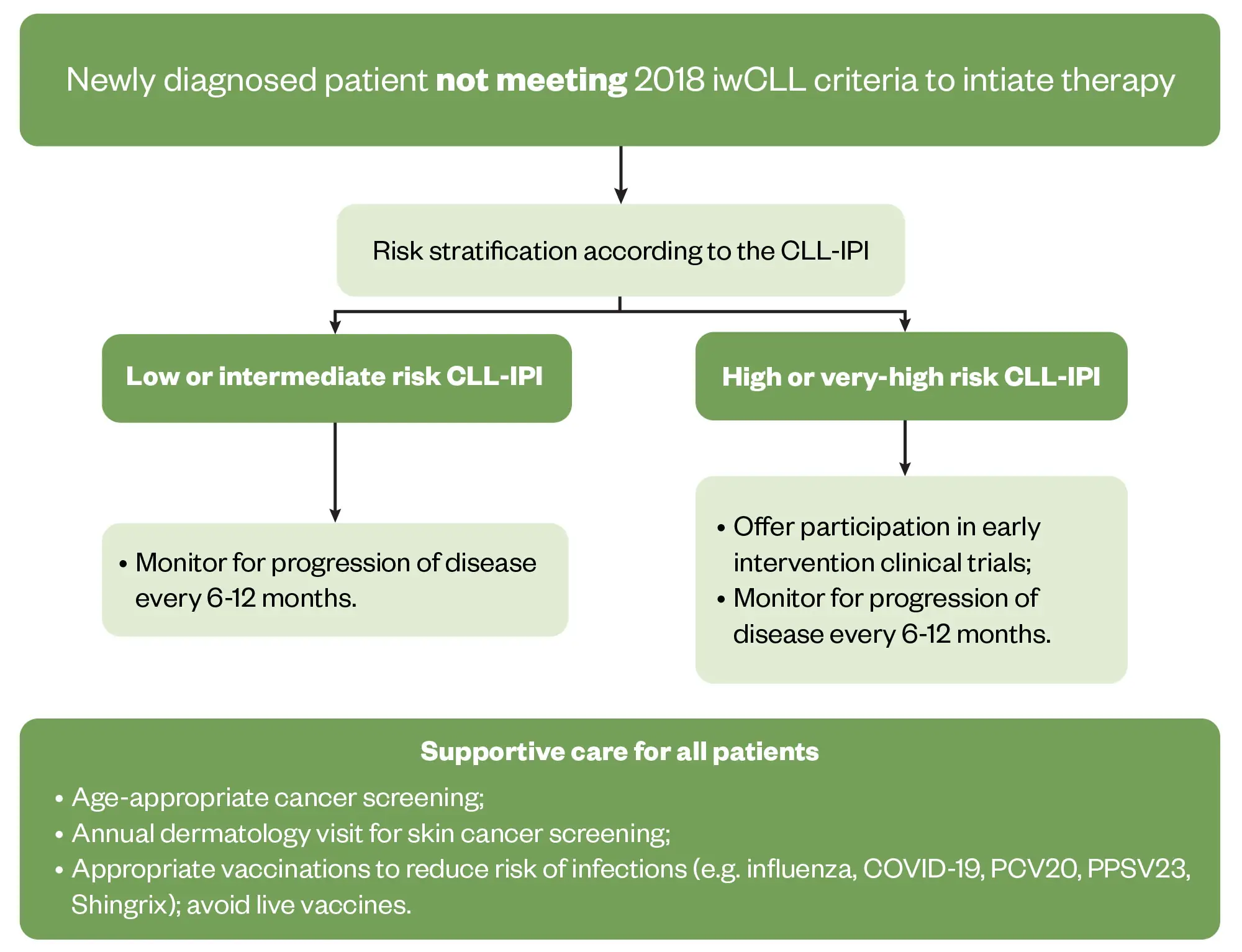
Clinical data regarding the use of zanubrutinib for chronic lymphocytic leukemia (CLL) and small lymphocytic lymphoma (SLL) in patients aged 80 and older indicate improved tolerability and efficacy compared to traditional chemoimmunotherapy regimens. As medical professionals navigate the complexities of treating octogenarians—who often present with significant comorbidities and polypharmacy—targeted therapies like Bruton’s tyrosine kinase (BTK) inhibitors have become a focal point of recent oncological research.
According to clinical findings published in journals such as The Lancet Oncology, zanubrutinib has demonstrated a favorable safety profile in older populations, largely due to its high selectivity for the BTK protein, which reduces off-target effects that often complicate treatment for patients with heart disease or hypertension. The U.S. Food and Drug Administration (FDA) granted full approval for zanubrutinib in the treatment of adult patients with CLL or SLL in January 2023, following results from the ALPINE and SEQUOIA clinical trials.
Managing CLL and SLL in Elderly Patients
Treating CLL and SLL in patients over 80 requires a shift in priorities. Unlike younger cohorts, where the primary objective may be maximizing long-term remission through intensive combinations, the geriatric approach emphasizes “quality of life” and the mitigation of treatment-related toxicity. Comorbidities such as atrial fibrillation, renal impairment, and existing cardiovascular conditions are common in this age group, according to data from the American Society of Hematology (ASH).

BTK inhibitors function by blocking the signaling pathways that allow malignant B-cells to survive and proliferate. While early-generation inhibitors like ibrutinib were revolutionary, they were frequently associated with cardiac side effects, including atrial fibrillation and hypertension. Zanubrutinib, a next-generation covalent inhibitor, was engineered to minimize these interactions. Clinical evidence suggests that the reduced off-target binding—specifically regarding TEC and EGFR kinases—leads to a lower incidence of common adverse events that typically force treatment discontinuation in patients over 80.
Clinical Evidence and Comparative Outcomes
The efficacy of zanubrutinib in older adults is largely supported by the ALPINE trial, a head-to-head study comparing zanubrutinib against ibrutinib in patients with relapsed or refractory CLL. Results, which were published in the New England Journal of Medicine, showed that zanubrutinib achieved a superior overall response rate and a significantly lower rate of treatment discontinuation due to cardiac events.

For the octogenarian demographic, these findings are particularly relevant. When a patient reaches their 80s, the physiological reserve is often limited; therefore, the ability to maintain a therapeutic dose without severe adverse events is a primary clinical metric. Data indicates that patients who remain on treatment for longer periods experience more stable disease control, which is critical for those who may not be candidates for secondary lines of treatment or intensive chemotherapy.
Considerations for Clinical Practice
When selecting a therapeutic agent, clinicians must consider the patient’s entire health profile. The European Society for Medical Oncology (ESMO) clinical practice guidelines emphasize that treatment decisions for CLL should be individualized, taking into account cytogenetic markers (such as the 17p deletion) and the patient’s performance status. In patients over 80, the assessment of frailty is as important as the assessment of the cancer itself.
Physicians typically monitor the following factors when prescribing zanubrutinib to elderly patients:
- Baseline Cardiovascular Health: Regular monitoring for blood pressure fluctuations is recommended, even if the risk of cardiac arrhythmia is lower than with earlier agents.
- Drug-Drug Interactions: Many patients over 80 are on anticoagulants or blood pressure medication; zanubrutinib requires careful review of the patient’s current medication list to avoid metabolic interference.
- Infection Risk: As with all B-cell depletion therapies, patients remain at an increased risk of infections, requiring proactive vaccination strategies and monitoring for symptoms of respiratory or systemic illness.
Future Directions in Geriatric Hematology
The field is moving toward a more personalized medicine model, where the burden of treatment is minimized through continuous data collection and real-world evidence. As research continues to accumulate, the focus will likely remain on how to sequence these therapies to extend survival while maintaining high functional status for the patient.
The next major checkpoint for ongoing research involves long-term follow-up studies regarding the duration of therapy and the feasibility of “time-limited” treatment approaches for older patients who achieve deep remissions. Patients and their families are encouraged to consult with their hematologist or oncologist regarding the latest clinical trial data and to reference official resources provided by organizations such as the Leukemia & Lymphoma Society for updates on standard-of-care developments. We welcome readers to share their experiences or questions in the comments section below, as we continue to monitor updates in hematological oncology.
Keep reading