
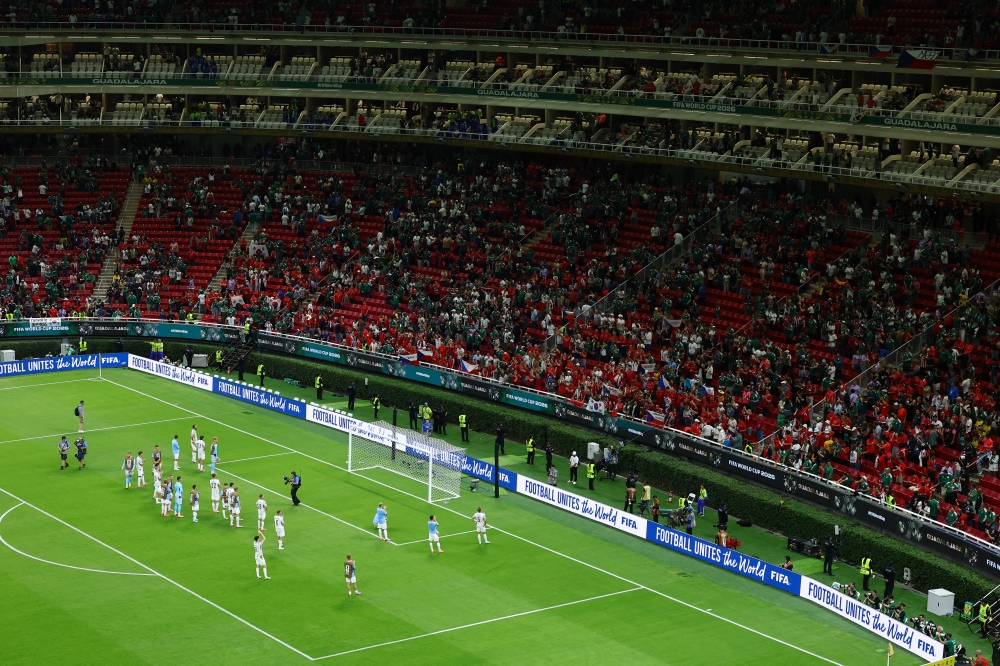
The opening stages of the 2026 FIFA World Cup have sparked significant international discourse following a series of high-profile incidents involving officiating, equipment failure, and unexpected competitive outcomes. Concerns regarding the tournament’s operational standards have emerged from global observers as matches progress, with specific scrutiny directed toward refereeing performance and pitch-side technical mishaps during the initial round of fixtures.
As the tournament enters its second week, governing bodies and fans alike are monitoring the impact of these early-stage controversies on the competition’s integrity. While tournament organizers have maintained that standard protocols remain in place, the convergence of multiple high-visibility errors—ranging from controversial penalty calls to equipment malfunctions—has intensified the pressure on FIFA officials to ensure consistency across all host venues.
Officiating Scrutiny in Early World Cup Fixtures
The performance of match officials has become a primary focal point for fans and analysts following the opening rounds of the 2026 tournament. According to reports from CNN Arabic, there has been significant public and media reaction regarding the officiating style of Egyptian referee Amin Omar during his debut match at the tournament. The discourse centers on the application of Video Assistant Referee (VAR) protocols and the consistency of disciplinary decisions in high-stakes matches.

The role of referees in the 2026 World Cup is governed by the International Football Association Board (IFAB) Laws of the Game, which mandate that all VAR interventions must be reserved for “clear and obvious errors” or “serious missed incidents.” FIFA has not issued a formal statement regarding individual referee performance, but the heightened level of scrutiny reflects the increased reliance on technological oversight in modern international football. The debate over officiating quality often influences the narrative surrounding team advancement, particularly in tightly contested groups where goal difference or disciplinary points could prove decisive.
Equipment Failures and Technical Challenges
Beyond officiating, the tournament has faced logistical questions following reports of equipment malfunctions during match play. During the opening fixture for the Czech Republic, observers noted a significant wardrobe malfunction involving player Pavel Šulc, whose jersey appeared to tear during physical play. Such incidents, while relatively minor in the context of match outcomes, have raised questions regarding the quality control of official tournament apparel and equipment provided to national teams.

These technical concerns are being analyzed by sporting equipment stakeholders who monitor the durability of high-performance sportswear under the extreme intensity of the World Cup. According to industry standards for international competition, all kits must undergo rigorous stress testing prior to the tournament; however, the visibility of these failures has prompted a review of supply chain protocols. The official FIFA technical reports generally track equipment performance metrics, though the governing body rarely comments publicly on individual kit failures during the group stages.
Competitive Dynamics: The “Beauty and the Beast” Narrative
On the pitch, the tournament has delivered notable tactical surprises that have captured global interest. A standout fixture featured South Korea against the Czech Republic, an encounter that sports media outlets have characterized as a clash of styles. As reported by Al Jazeera, the match highlighted the effectiveness of South Korea’s fluid attacking movement against the Czech Republic’s reliance on set-piece opportunities.
The tactical contrast—often framed in media coverage as a “Beauty and the Beast” dynamic—demonstrates the evolving nature of international football, where technical agility is increasingly competing with traditional physical prowess. Analysis from Al Bayan suggests that the Korean squad’s ability to maintain possession and dictate the tempo of the game served as a blueprint for underdog nations looking to neutralize more physically imposing opponents. These results underscore the unpredictable nature of the 2026 World Cup, where established footballing hierarchies are being challenged by disciplined tactical setups.
Looking Ahead: The Path Through the Group Stages
The immediate future of the 2026 World Cup depends on the ability of the tournament organizers to stabilize the operational environment. FIFA’s next scheduled update regarding tournament operations and disciplinary reviews is expected to follow the conclusion of the second round of group stage matches. Teams are currently preparing for their remaining fixtures, with the focus shifting toward recovery and tactical adjustments based on the initial performances.
For fans and stakeholders, the next significant checkpoint will be the release of the official officiating reports and any potential adjustments to VAR implementation protocols. As the competition progresses, the focus will likely shift from these early logistical and officiating concerns toward the race for the knockout stages. We invite readers to share their analysis of the tournament’s opening matches and join the conversation on the evolving tactical landscape of this year’s World Cup in the comments section below.