
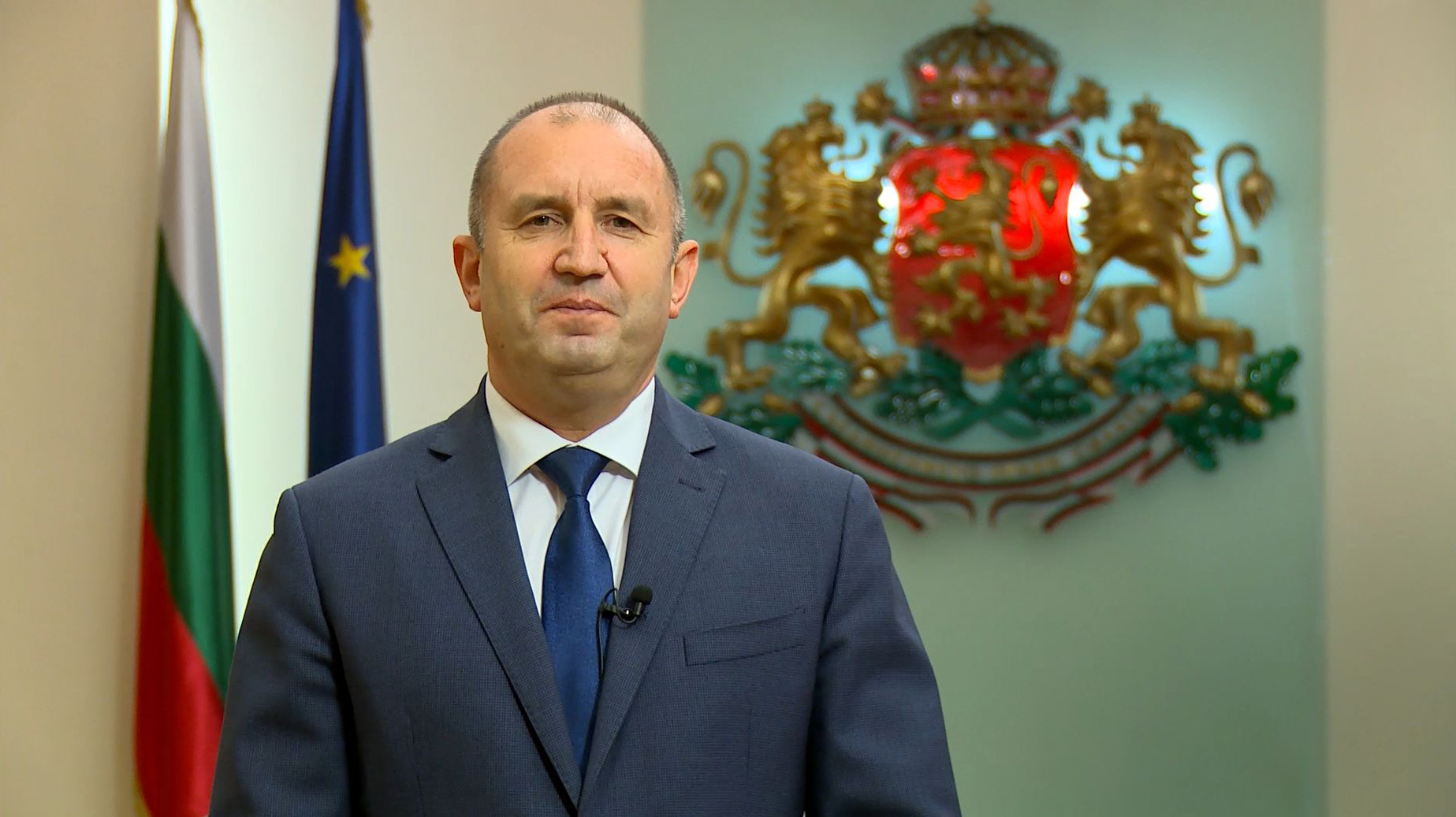
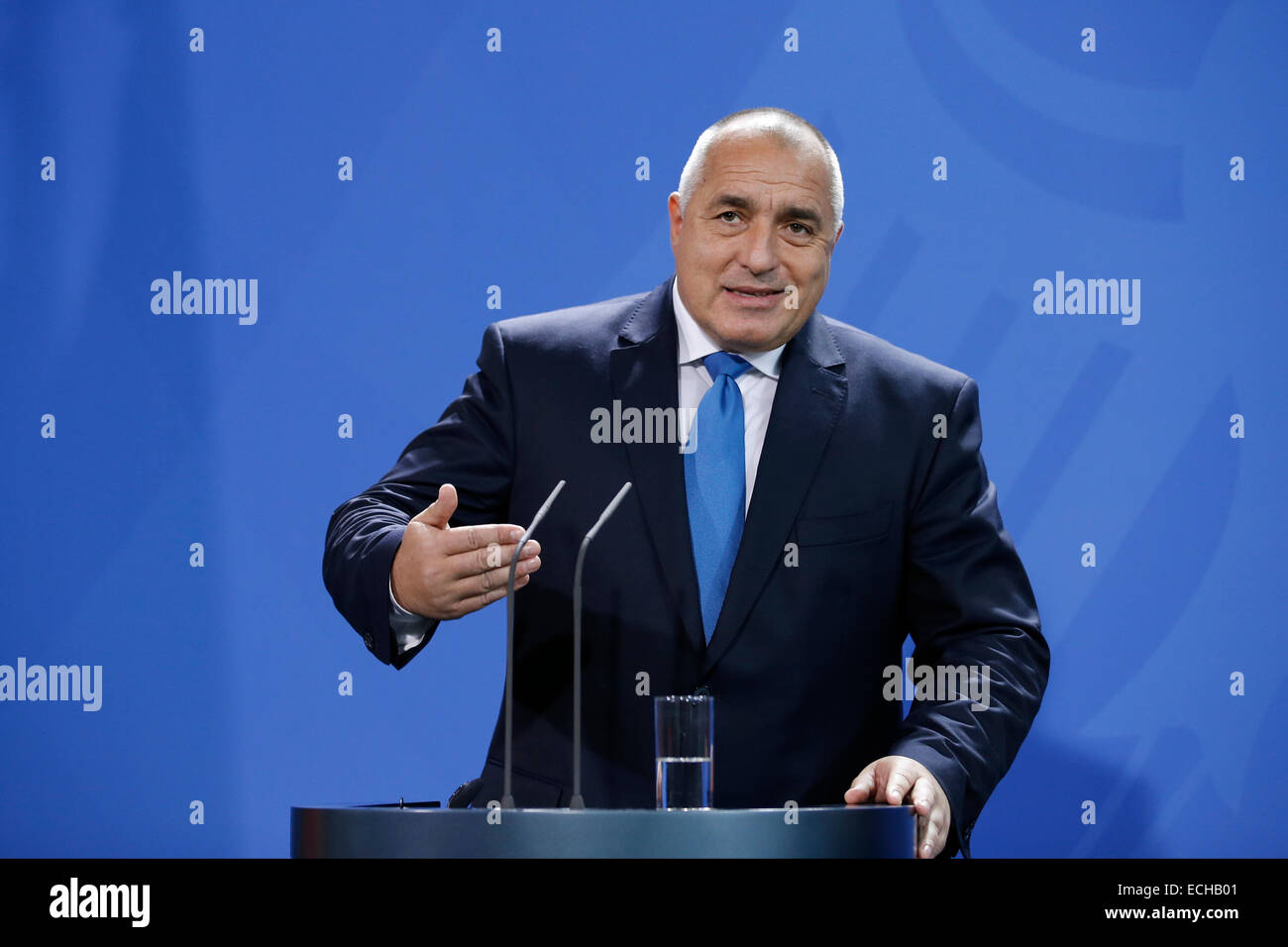
Former Bulgarian Prime Minister Boyko Borisov has publicly called for a 100-day grace period for the caretaker government appointed by President Rumen Radev. Speaking to the media, the GERB party leader emphasized that the political climate necessitates a period of stability to allow the administration to address urgent fiscal and administrative challenges without immediate partisan obstruction.
This appeal for a “100-day tolerance” arrives amidst ongoing debates regarding Bulgaria’s national debt and the economic policies implemented by previous administrations. Borisov’s stance reflects a shift in tone toward the executive branch, prioritizing institutional continuity over the typical parliamentary friction that has characterized recent legislative sessions in Sofia. According to reports from national broadcasters, including Nova TV, Borisov specifically pointed to the country’s debt obligations, suggesting that the current caretaker cabinet requires time to navigate the financial landscape inherited from the previous term.
The Context of the 100-Day Grace Period
The concept of a 100-day period of political non-aggression is a traditional, though informal, practice in Bulgarian politics. It is intended to grant newly formed governments the space to settle into their roles and begin implementing policy goals without facing immediate motions of no confidence or aggressive parliamentary posturing. Borisov, whose party remains a significant force in the National Assembly, framed his request as a matter of political maturity and “good upbringing.”
The call for restraint comes at a time when Bulgaria is managing complex economic indicators. Data from the Ministry of Finance of the Republic of Bulgaria suggests that managing the state budget and national debt levels remains a primary concern for any executive branch, regardless of its political composition. Borisov’s comments suggest a strategic pivot, as he attempts to position his party as a constructive force rather than a disruptive one during the caretaker mandate.
Fiscal Policy and National Debt Debates
A central pillar of the current political discourse involves the management of public funds. Borisov has specifically criticized the fiscal strategies employed by former Finance Minister Assen Vassilev, claiming that the previous government’s approach to borrowing contributed to the current financial pressures. These claims regarding the national debt trajectory are central to why Borisov argues that President Radev’s appointed cabinet needs time to stabilize the economy.
While the former Prime Minister’s rhetoric is critical of the past administration, his support for the caretaker cabinet serves as a counterweight to the heated debates in Parliament. Independent financial analysts often point to the Bulgarian National Bank reports as the definitive source for tracking the country’s actual debt-to-GDP ratio and liquidity status. By advocating for a pause in political conflict, Borisov is effectively distancing his party from the immediate fallout of the previous government’s budgetary decisions.
What Happens Next for the Caretaker Government
The effectiveness of this 100-day tolerance will depend largely on the willingness of other parliamentary groups to follow suit. As the National Assembly continues to function, the caretaker government led by the President’s appointees must balance the demands of legislative oversight with the need for operational independence.
The next major checkpoint for the government will be the presentation of the mid-term budget review and the subsequent parliamentary hearings regarding fiscal transparency. These sessions, mandated by the Rules of Procedure of the National Assembly, will serve as the primary arena where the 100-day grace period will be tested. Whether the political parties will adhere to Borisov’s call or return to intense scrutiny remains to be seen as the legislative calendar progresses through the coming weeks.
Readers interested in following these developments can monitor official updates from the Office of the President and the parliamentary legislative agenda. We encourage our readers to share their perspectives on this political development in the comments section below.
Worth a look