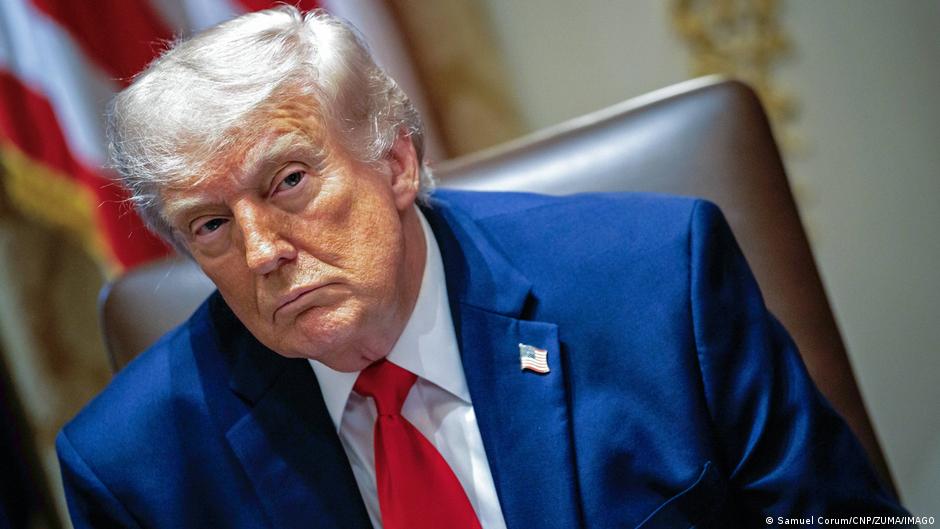
Diplomatic efforts to reach a potential agreement between the United States and Iran have intensified, characterized by conflicting signals from Washington and Tehran regarding the viability of a deal to de-escalate regional tensions. While public rhetoric from the U.S. administration suggests a push for a swift conclusion to ongoing disputes, Iranian officials have maintained a posture of skepticism, questioning the feasibility and the terms of any proposed framework.
The situation remains fluid as international observers monitor whether these high-level communications—frequently described by analysts as a delicate balancing act—will result in a tangible diplomatic breakthrough. According to the U.S. Department of State, the administration continues to pursue a policy of pressure alongside diplomatic engagement, though specific details regarding a “final agreement” remain unconfirmed by official government channels.
Evaluating the Diplomatic Landscape
The current discourse is marked by a significant gap between the optimism expressed by some U.S. officials and the cautious, often critical, responses from Tehran. Reports from international media outlets have suggested that a potential framework for ending hostilities is under discussion, yet these claims have not been substantiated by official joint communiqués. The International Atomic Energy Agency (IAEA), which maintains oversight of Iran’s nuclear activities, has not issued any statements confirming a breakthrough or a finalized agreement regarding the country’s nuclear program.
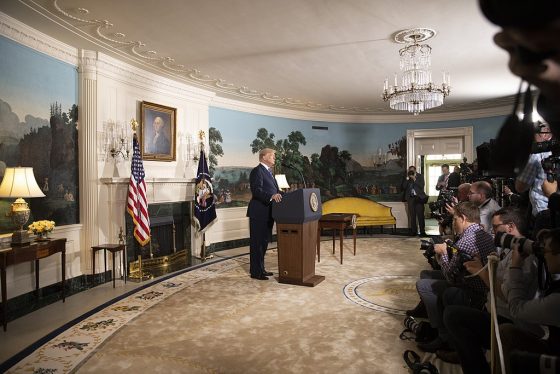
Observers note that the complexity of U.S.-Iran relations, which have been strained for decades by sanctions and geopolitical competition, makes the prospect of a sudden, comprehensive agreement highly challenging. Unlike previous negotiation cycles, such as the 2015 Joint Comprehensive Plan of Action (JCPOA), the current environment is complicated by shifting alliances and domestic political pressures in both capitals. The Council on Foreign Relations has frequently highlighted that the lack of direct, high-level trust remains the primary obstacle to any lasting diplomatic settlement.
The Role of Regional Stakeholders
Regional powers, including Israel and various Gulf states, are closely following the developments in Geneva and other diplomatic hubs. Reports regarding the involvement of third-party mediators suggest that the process is far from bilateral, involving a complex web of back-channel communications. According to the Reuters news agency, officials in the region have expressed concerns about the potential implications of any deal that might ease financial restrictions on Tehran without addressing broader security grievances, particularly regarding missile proliferation and regional proxy activities.
The skepticism from Tehran is often framed through the lens of domestic policy, where hardline factions within the Iranian government remain wary of U.S. intentions. The Iranian leadership frequently reiterates that any return to compliance with international agreements must be preceded by the removal of unilateral economic sanctions. This fundamental disagreement—whether sanctions relief should be a prerequisite or a result of an agreement—continues to define the impasse.
What Happens Next?
As the international community awaits further clarification, the focus remains on whether the current diplomatic window will lead to a formal meeting of high-level representatives. No official date for a summit or the signing of a treaty has been announced by the White House or the Iranian Ministry of Foreign Affairs. For the public and international markets, the primary indicator of progress will be any shift in the frequency and substance of direct communication between the two nations.

The next anticipated update will likely come from the United Nations Security Council or via official press briefings from the respective foreign ministries. Until such time, analysts warn against interpreting speculative reports as policy shifts. Readers are encouraged to monitor official government portals for verified updates, as the situation remains subject to rapid change. We welcome your thoughts on these developments—please share your perspective in the comments section below.
Related reading