
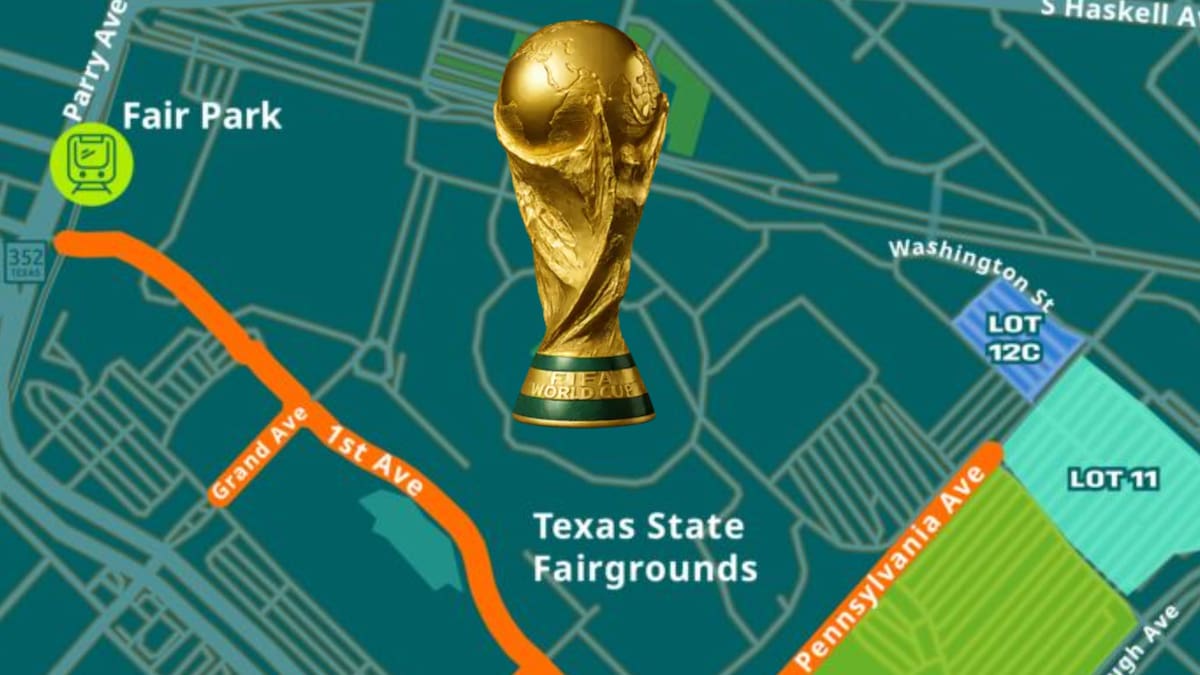
As preparations for the 2026 FIFA World Cup accelerate, residents and commuters in Dallas and Houston face increasing traffic management operations and planned infrastructure adjustments. Municipal authorities in both Texas cities are implementing phased traffic control measures, including periodic road closures and designated detour routes, to accommodate site inspections, security assessments, and long-term urban mobility planning for the upcoming tournament, according to the FIFA 2026 official host city documentation.
For drivers and commuters, these operations mean that real-time navigation remains essential. Local departments of transportation are advising the public to monitor official channels for updates on construction zones and temporary access restrictions near major venues, such as AT&T Stadium in Arlington and NRG Stadium in Houston. These logistical adjustments are part of a broader, multi-year strategy to manage the influx of international visitors and ensure the seamless movement of teams, staff, and fans during the event, which is scheduled to take place across North America in June and July 2026.
Infrastructure and Mobility Planning for 2026
The traffic management strategies currently visible in Dallas and Houston represent the early stages of a comprehensive regional mobility plan. According to the Texas Department of Transportation (TxDOT), the primary goal of these ongoing assessments is to balance the needs of local transit with the high-capacity requirements of a global sporting event. In Dallas, officials are focusing on improving arterial road flow around the stadium district, while Houston’s planning committee is emphasizing transit connectivity and pedestrian accessibility near the NRG Park complex.
These operational shifts often involve temporary lane closures or restricted access points to facilitate surveys of existing infrastructure. City officials emphasize that while these disruptions may cause short-term delays, they are necessary to verify that road networks can handle the projected increase in vehicle volume during the tournament. Residents are encouraged to consult city-specific portals, such as the City of Dallas official government website, to view current maps of ongoing road work and authorized detours.
How to Access Real-Time Traffic Updates
Staying informed about road conditions is critical for those traveling through high-traffic corridors in North Texas and the Houston metropolitan area. Official city and state agencies provide updated information to help the public avoid congestion caused by planned operations. The following resources offer the most reliable data for commuters:

- TxDOT Drive Texas: The state’s official mapping tool provides real-time information on road conditions, active construction, and incident reports across the state.
- Dallas Area Rapid Transit (DART) Alerts: For those using public transportation, DART provides direct updates on service changes and potential station access issues related to stadium-area improvements.
- Houston TranStar: This centralized resource offers comprehensive traffic maps, incident reports, and transit updates for the Greater Houston area, serving as a primary source for local commuters.
These platforms are updated continuously by municipal and state authorities to reflect the latest status of road closures and traffic diversions. Authorities advise that commuters should not rely solely on third-party navigation apps, which may not always account for specialized event-related traffic management zones or temporary law enforcement detours.
Why Traffic Management Matters for Host Cities
The scale of the 2026 World Cup requires a level of coordination between local, state, and federal agencies that is unprecedented for many host cities. The Dallas 2026 Host City committee and its counterparts in Houston must ensure that emergency services, public transit, and private vehicle traffic can coexist during the tournament. Proactive road management is a core component of this, allowing planners to identify bottlenecks well before the arrival of international delegations and thousands of spectators.
Beyond the immediate inconveniences of road closures, these efforts are linked to long-term improvements in urban infrastructure. Many of the projects currently underway—such as bridge reinforcements, highway signage updates, and transit hub upgrades—are designed to provide lasting benefits to the local population long after the final match is played. By integrating tournament-specific traffic control into existing city development plans, Texas officials aim to minimize the disruption to daily life while maximizing the event’s positive economic and infrastructural legacy.
Next Steps for Residents and Commuters
As the tournament draws closer, residents should expect an increase in the frequency and scope of these traffic operations. The next major phase of planning involves the finalization of venue-specific security perimeters and the activation of dedicated transit lanes, which will be communicated through public hearings and official city notices. Residents interested in providing feedback or learning more about how specific neighborhoods may be affected can attend upcoming town hall meetings hosted by their respective city councils or visit the municipal planning department websites.

For the latest information on specific street closures, it is recommended that residents check the official city social media channels and local government news releases. We will continue to track these developments as the 2026 World Cup schedule is finalized and official transportation protocols are released. We invite our readers to share their experiences with current traffic patterns in the comments section below to help fellow commuters stay informed.