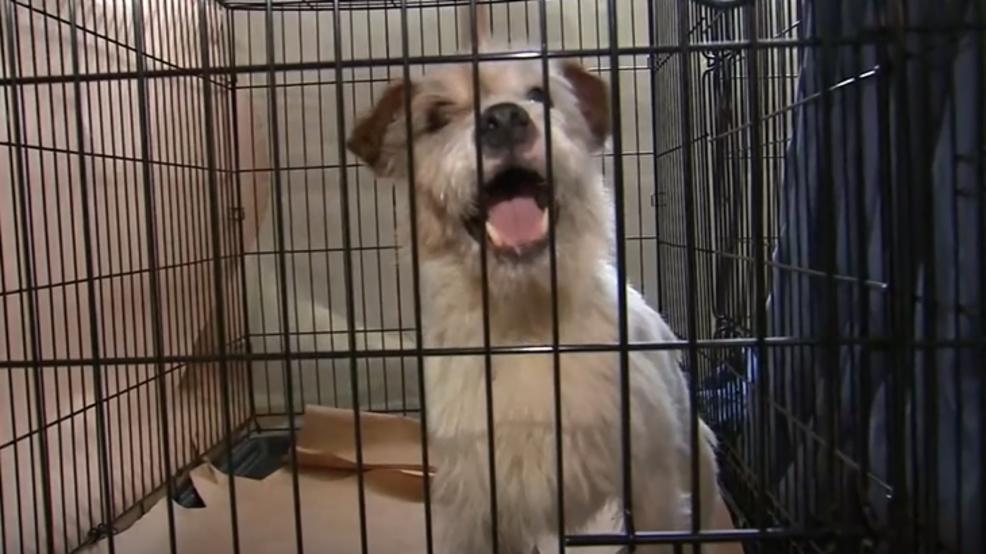
In January 2026, animal welfare officers in central England made a shocking discovery that quickly captured global attention: approximately 250 dogs living in severely overcrowded and unsanitary conditions inside a single residential property. The Royal Society for the Prevention of Cruelty to Animals (RSPCA) released photographs of the scene, showing dozens of poodle-type mixed-breed dogs packed tightly together in a living room, some even taking refuge inside a fireplace. The images were so extraordinary that many members of the public initially questioned their authenticity, suspecting they might be AI-generated.
Although, the RSPCA swiftly confirmed the photos were genuine, emphasizing that the situation represented a real and growing challenge in animal welfare. “This shocking image is a reality we see in many multi-animal cases,” an RSPCA spokesperson stated. “Officers on the front lines frequently encounter scenarios where 10, 20, or even 100 animals are involved. People find it hard to believe what they’re seeing, but this is not AI—We see real.”
The rescue operation unfolded after concerned members of the public reported the deteriorating living conditions at the property. Authorities determined that the dogs had been bred over time by an elderly owner who was no longer able to manage their care or control the population. As breeding continued unchecked and veterinary care, nutrition, and sanitation became impossible to maintain, the environment deteriorated to a point where intervention was necessary.
All 250 dogs were removed from the property and placed in temporary care even as efforts were made to assess their health, provide medical treatment, and prepare them for eventual rehoming. Many of the animals were found to be malnourished, suffering from untreated infections, and severely stressed due to prolonged confinement and lack of socialization.
Understanding Multi-Animal Overpopulation Crises
Cases like this one highlight what animal welfare organizations refer to as “multi-animal overpopulation collapse,” a situation where the number of animals in a household exceeds the owner’s ability to provide adequate food, water, shelter, sanitation, and veterinary care. While often rooted in compassion or a desire to breed, such situations can quickly spiral beyond an individual’s capacity, especially when compounded by age, isolation, financial hardship, or lack of access to support services.
The RSPCA noted that reports of large-scale animal hoarding or uncontrolled breeding have been increasing across the UK in recent years. Contributing factors may include limited public awareness of spaying and neutering, insufficient access to low-cost veterinary services, and gaps in early intervention systems that could prevent situations from reaching crisis levels.
Experts stress that effective prevention requires a combination of public education, accessible reproductive health services for pets, and community-based support networks for vulnerable pet owners. Early reporting by neighbors or community members remains critical in identifying at-risk situations before they escalate.
Aftermath and Ongoing Care
Following the rescue, the RSPCA and partner animal shelters undertook extensive veterinary evaluations of the 250 dogs. Many required treatment for parasites, dental disease, skin conditions, and behavioral rehabilitation. Due to the large number of animals involved, the operation placed significant strain on regional rescue resources, prompting appeals for public support in the form of donations, foster homes, and volunteer assistance.
As of April 2026, the majority of the dogs have progressed through initial medical stabilization and are undergoing behavioral assessment to determine their suitability for adoption. The RSPCA has emphasized that rehoming will be conducted responsibly, with priority given to matching each dog’s temperament and needs with appropriate households.
The original owner, whose identity has not been disclosed by authorities, is reported to have cooperated with the rescue effort and is receiving support from social services. No criminal charges have been filed in connection with the case, as investigators determined the situation stemmed from an inability to cope rather than intentional neglect or cruelty.
Broader Implications for Animal Welfare
This incident has sparked renewed discussion about the need for stronger preventive measures to address animal overpopulation before it reaches critical stages. Animal welfare advocates are calling for increased funding for community outreach programs, expanded access to subsidized spay/neuter clinics, and better coordination between local councils, veterinary practices, and animal charities to identify and assist at-risk households early.

The RSPCA continues to monitor similar cases nationwide and urges the public to report concerns about animal welfare through its official channels. The organization maintains that timely intervention not only protects animals but can also connect struggling owners with vital support services.
For updates on the rehabilitation and rehoming progress of the rescued dogs, the public is encouraged to follow the RSPCA’s official website and social media platforms, where regular updates are posted regarding major rescue operations and animal care initiatives.