Maintaining physical autonomy as we age often comes down to a few critical muscle groups. For those over 50, the focus shifts from aesthetic goals to functional strength—the kind of stability that allows for independent walking, lifting, and bending without injury. While the plank is a well-known staple of core training, it can be taxing on the joints or difficult to maintain with proper form as the body changes.
Integrating specific movements into a morning routine can be a catalyst for long-term mobility. Actor and fitness enthusiast Mark Wahlberg is a prominent advocate for this approach, maintaining a rigorous 4 a.m. Workout schedule to begin his day with a sense of accomplishment . This dedication to early activity aligns with broader health guidance; for instance, Piedmont Healthcare notes that morning exercise can provide mental clarity, fewer distractions, and a boosted metabolism for the remainder of the day.
The challenge for adults over 50 is often the natural decline of muscle mass, a condition known as sarcopenia. This age-related loss of muscle fibers can weaken the core, which in turn compromises balance and increases the risk of falls. When the core—comprising the back, pelvic, and abdominal muscles—loses its integrity, posture often suffers, leading to chronic discomfort and reduced confidence in daily movement.
To combat these effects, experts suggest prioritizing functional core strength over static holds. By targeting the transverse abdominis for pelvic and spinal stability and the multifidus for spinal alignment, individuals can create a more resilient physical foundation. The following three morning exercises are designed to build core strength faster than planks for those over 50 by focusing on stability and controlled movement.
The Mechanics of Functional Core Strength After 50
Building a strong core is not merely about the rectus abdominis (the “six-pack” muscles) but about a complex network of supporting tissues. Doug Bertram, M.S., L.Ac., MTCM, Founder and CEO of Structural Elements®, emphasizes that functional strength requires a holistic approach. This includes the obliques, which are essential for rotational movement and lateral stability, and the pelvic floor muscles, which support overall core stability and maintain bodily functions such as continence.
Beyond muscle loss, the stiffening of the fascia—the connective tissue surrounding muscles—and reduced tissue elasticity can make it harder for the body to distribute loads effectively. This makes “tensegrity” and postural alignment critical. Rather than focusing solely on pain symptoms, a structural approach helps the body regain the ability to move fluidly and safely.
Three Core Exercises to Replace or Supplement Planks
The following exercises provide a safer yet effective way to activate the core without the intense joint pressure often associated with traditional planks.
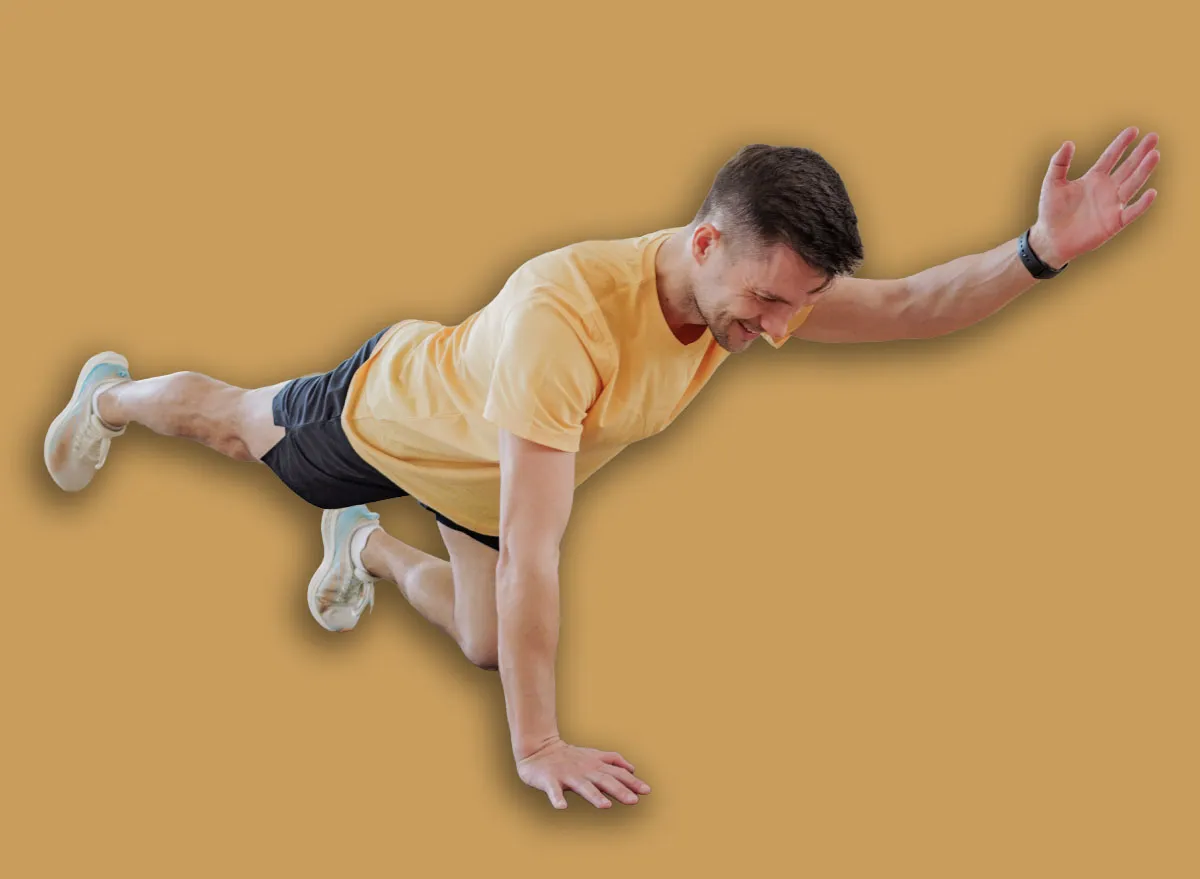
1. The Bird-Dog
The bird-dog is highly effective for enhancing stability and activating multiple core muscles simultaneously. It requires coordination between the upper and lower body, which helps improve overall balance.
- Begin on all fours (hands and knees).
- Extend your left arm forward and your right leg backward, keeping your core braced and your back flat.
- Hold the position for a brief moment to engage the stabilizing muscles.
- Return to the starting position and switch sides, alternating the arm and leg.
2. The Dead Bug
The dead bug is designed to promote core control and stability without straining the lower back. By keeping the spine pressed against the floor, it ensures that the abdominal muscles are doing the work rather than the lumbar spine.
- Lie face-up on a mattress or mat with arms extended toward the ceiling and knees lifted, bent at a 90-degree angle.
- Press your lower back firmly into the mattress.
- Gradually lower your left arm behind you while simultaneously extending your right leg forward.
- Return to the center and repeat the movement using the right arm and left leg.
- Continue alternating sides with unhurried, controlled movements.
3. Seated Leg Lifts
For those who require a lower-impact option or have joint sensitivities, seated leg lifts are an excellent way to strengthen the abdominal muscles while remaining supported.
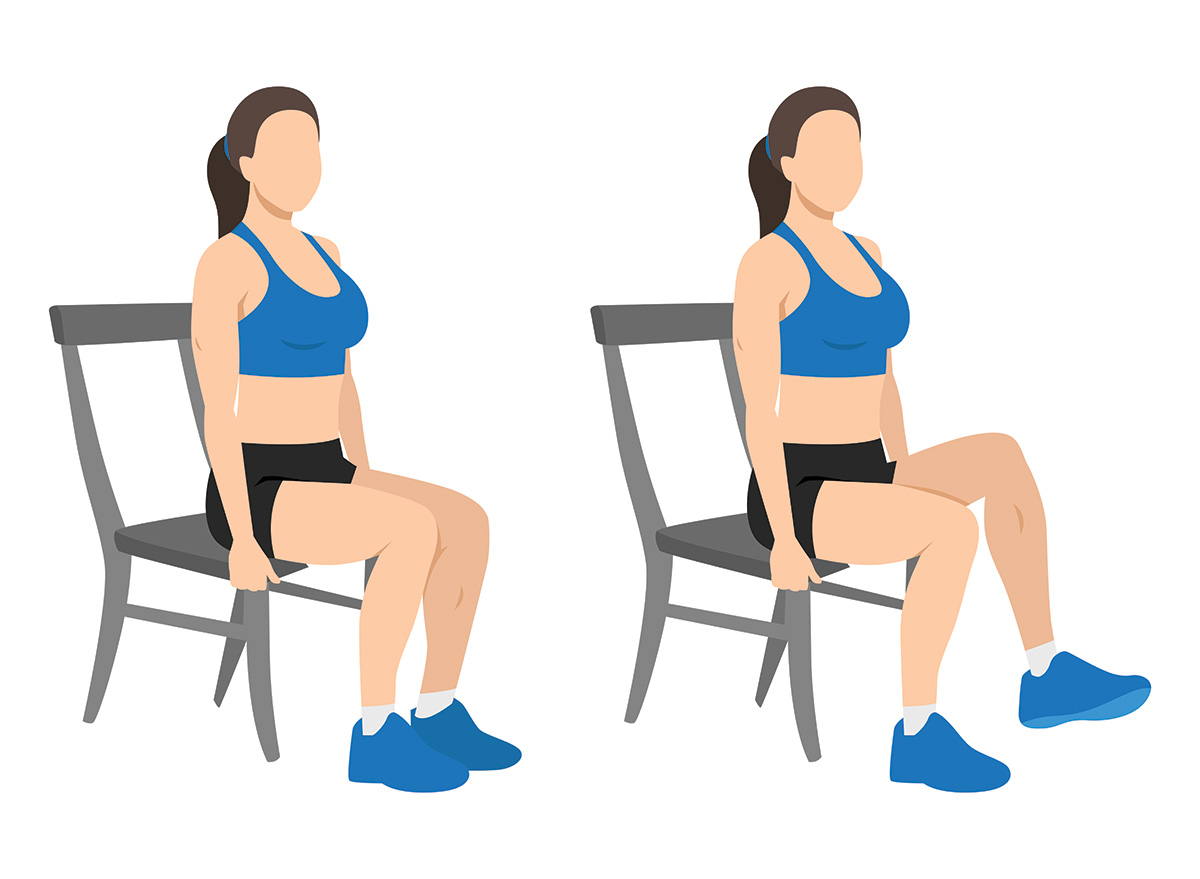
- Sit at the edge of a sturdy chair with your legs extended straight out in front of you.
- Hold onto the sides of the chair for stability.
- Activate your abdominal muscles as you lift both legs, bringing your knees toward your chest.
- Hold the position at the top for two seconds, ensuring your back remains straight and does not round.
- Slowly lower the legs back to the starting position.
Key Takeaways for Core Wellness
- Combat Sarcopenia: Target muscle loss after 50 with consistent, functional movement to prevent falls and maintain independence.
- Prioritize Stability: Focus on the transverse abdominis and multifidus for better spinal alignment.
- Morning Consistency: Establishing a routine, similar to the 4 a.m. Habits of fitness icons, ensures the workout is completed before daily distractions arise.
- Joint Protection: Use modifications like the dead bug or seated lifts to build strength without placing excessive stress on the lower back or joints.
As you integrate these movements into your morning, remember that consistency is more valuable than intensity. Focus on the quality of the movement and the engagement of the core muscles to ensure long-term orthopedic wellness.
For those seeking further guidance on orthopedic health and postural alignment, consulting with a licensed professional regarding the Structural Elements® Balancing Method or similar integrative approaches can provide a personalized map for fascia and muscle recovery.
We invite you to share your experiences with morning routines and core exercises in the comments below. Which of these movements fits best into your daily schedule?