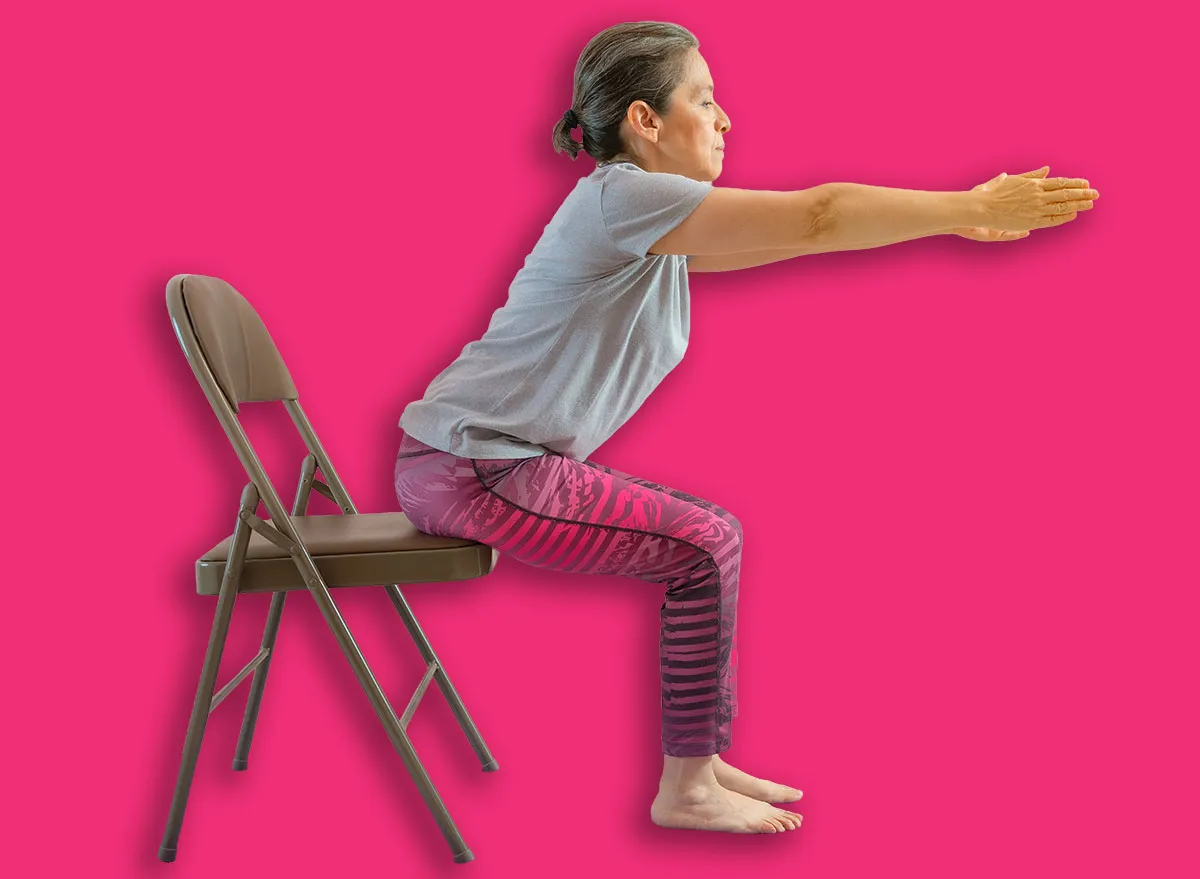
Maintaining core stability is one of the most critical yet overlooked aspects of health as we age. For many adults, core strength after 55 often declines not because of a lack of effort, but because the training methods used are no longer the most effective for the body’s changing needs. While traditional abdominal workouts frequently rely on floor exercises that isolate specific movements, these often fail to translate into the “real-world” strength required for daily activities, balance, and spinal support.
As a physician and journalist, I have observed that the most sustainable improvements in midsection stability come from exercises that train the core to stabilize while the body remains upright, and supported. This is where chair exercises that build core strength after 55 offer a distinct advantage. By utilizing a chair, individuals can achieve stability without removing the physical challenge, allowing for a deeper focus on controlled contractions, posture, and breathing.
The primary benefit of seated movements is the ability to increase “time under tension.” Rather than rushing through repetitions, a seated position allows the practitioner to slow down, which leads to stronger activation of the deep core muscles that support the spine and hold the midsection in. These exercises are highly accessible for those who are desk-bound, mobility-challenged, or simply prefer not to get down on the floor, making it easier to maintain the daily consistency required for lasting results according to Blue Cross NC.
The following routine targets the lower abdominals, obliques, and deep stabilizers through simple, seated movements. To maximize effectiveness, sit tall, move slowly, and focus on tightening the core during every single repetition.
5 Effective Seated Exercises for Core Stability
1. Seated Knee Tucks
Seated knee tucks are highly effective for targeting the lower abdominal muscles. This movement is particularly valuable because it requires the core to control both the lifting and the extending phases of the exercise without relying on momentum. When performed with proper tempo, it retrains the core to function effectively during everyday movements, improving overall stability through the midsection.
How to perform:
- Sit near the edge of a sturdy chair.
- Lean back slightly while maintaining a straight back.
- Pull both knees toward your chest.
- Extend the legs forward slowly.
- Repeat the movement with controlled precision.
2. Seated Leg Extensions With Core Brace
This exercise emphasizes stabilization. It forces the abdominal muscles to remain engaged while the legs move independently, mimicking real-life demands where the core must stay active while the limbs are in motion. By extending one leg while keeping the torso perfectly upright, the core must perform to prevent the body from leaning or shifting.
How to perform:
- Sit tall with both feet flat on the floor.
- Tighten your core muscles (brace).
- Extend one leg forward.
- Lower the leg slowly back to the starting position.
- Alternate legs.
3. Seated Cross-Body Crunch
Rotational strength is essential for maintaining mobility and preventing injury. The seated cross-body crunch targets the obliques, which are the muscles responsible for stabilizing and controlling twisting movements. This is an increasingly important function as we age to ensure the spine remains supported during lateral movements.
How to perform:
- Sit tall with your hands placed behind your head.
- Lift one knee across your body.
- Simultaneously bring the opposite elbow toward that knee.
- Return to the starting position slowly.
- Alternate sides.
4. Seated March With Hold
While some exercises focus on strength, the seated march focuses on core endurance. By holding the contraction at the top of the movement, the abdominal muscles are forced to stabilize the body without the assistance of leaning back. This sustained contraction strengthens the deep stabilizers and helps reduce core fatigue during daily activities.
How to perform:
- Sit tall with feet flat on the floor.
- Lift one knee toward your chest.
- Hold the position for 2–3 seconds.
- Lower the leg slowly.
- Alternate legs.
5. Seated Forward Lean With Core Tightening
The final movement trains the core to stabilize during forward motion, mirroring activities such as reaching for an object or transitioning to a standing position. Leaning forward while keeping the core tight forces the abdominal muscles to support the spine, reinforcing proper engagement and improving overall posture.
How to perform:
- Sit upright with arms extended forward.
- Tighten the core muscles.
- Lean forward slightly from the hips.
- Return to the upright position slowly.
- Repeat with control.
For those who prefer a guided visual routine, a 10-minute seated workout can provide a structured way to integrate these movements into a daily habit.
Why Seated Core Work Matters After 55
The transition from floor-based exercises to seated core stability is often a matter of functional necessity. As we age, the risk of injury during traditional sit-ups or planks can increase, and the perceived difficulty of getting on and off the floor can become a barrier to consistency. Chair-based exercises remove these barriers, making fitness manageable and sustainable.
Beyond the physical strength, these movements improve the mind-muscle connection. By focusing on the “brace” and the slow release of each movement, individuals can rebuild a level of control over their midsection that translates to better balance and a reduced risk of falls. When the deep stabilizers are active, the spine is better protected, and the body can move with greater ease.
Key Takeaways for Seated Core Training
- Prioritize Control: Slow movements increase time under tension, leading to better muscle activation.
- Focus on Stability: The goal is to keep the torso upright and stable while the limbs move.
- Consistency Over Intensity: Daily, manageable repetitions build strength more effectively than occasional intense sessions.
- Accessibility: These movements are suitable for various fitness levels and can be performed in an office or home setting.
As always, before beginning a new exercise regimen, it is advisable to consult with a healthcare provider to ensure the movements are appropriate for your specific medical history and physical capabilities.
We invite you to share your experiences with seated fitness or ask questions about adapting these movements for your needs in the comments below. Please share this guide with others who may benefit from a more accessible approach to core strength.
Worth a look