
Staying Active After 60: Five Daily Exercises for Men to Maintain Youthful Vitality
The pursuit of longevity is a universal desire and while a fountain of youth remains elusive, the power to significantly impact our healthspan—the years lived in good health—lies within our grasp. A cornerstone of healthy aging is regular physical activity. Exercise isn’t merely about adding years to life; it’s about adding life to years, preserving independence, and mitigating the risk of age-related decline. Maintaining physical function, mobility, and cardiovascular health are key to feeling and functioning younger, and consistent, manageable exercise is far more effective than sporadic, intense workouts. Research consistently demonstrates that exercise strengthens the heart, builds muscle, and reduces the likelihood of chronic diseases, offering a pathway to a more vibrant and fulfilling later life.

As we age, physiological changes occur that can impact our physical capabilities. Muscle mass naturally declines, a process known as sarcopenia, and cardiovascular function can diminish. Though, these changes aren’t inevitable. Studies have shown that even starting an exercise regimen later in life can reverse some of the damage caused by a sedentary lifestyle and prevent future health problems. The heart, like any other muscle, responds positively to training, becoming stronger and more efficient with regular exertion. This improved cardiovascular function translates to better blood pressure control, reduced risk of heart disease, and increased energy levels. A 2025 study highlighted a global demographic shift toward an aging population and the corresponding rise in age-related diseases, underscoring the importance of proactive health measures.
Far Samji, a five-time Canadian golf champion and founder of Smashing Golf, emphasizes the importance of consistency over intensity when it comes to exercise for men over 60. “From a fitness and longevity standpoint, staying young means maintaining functional strength, mobility, and cardiovascular health. It’s not solely about and for muscle mass, although this may be a gain as well. For the exercises for staying young, consistency beats intensity. It’s better to do simple exercises daily than an hour-long workout once a month,” Samji explains. He regularly works with men in their 60s, helping them maintain fitness for golf and overall well-being. His approach focuses on building a sustainable routine that prioritizes movement and functionality.
Choosing the right exercises doesn’t require a complex gym membership or specialized equipment. Simple, bodyweight exercises can be incredibly effective in maintaining strength, balance, and mobility. Focusing on exercises that target core muscles, legs, and hips is particularly beneficial, as these areas are crucial for everyday activities like walking, climbing stairs, and maintaining balance. Here are five exercises that men over 60 should consider incorporating into their daily routine:
Squats
Squats are a foundational exercise for lower body strength and stability. They work multiple muscle groups simultaneously, including the quadriceps, hamstrings, and glutes. “Squats are ideal for older men because they increase bone density and reduce fall risk,” Samji notes. Strengthening these muscles not only improves physical function but also helps protect against age-related bone loss, a significant concern for older adults. According to the National Osteoporosis Foundation, approximately 10 million Americans have osteoporosis and 44 million have low bone density.

- Stand tall with your feet shoulder-width apart on the floor.
- Extend your arms ahead of you or place your hands on your hips for balance.
- Bend at the knees and hips as you lower your body, as if sitting back into a chair.
- Descend until your thighs are parallel to the floor, or as low as comfortably possible.
- Press through your heels to return to a standing position.
Bodyweight Hip Hinges
Hip hinges are a crucial movement pattern for maintaining a healthy back and improving lifting mechanics. This exercise focuses on strengthening the hamstrings and glutes while protecting the spine. “Hip hinges help protect the back and train the body for proper lifting,” Samji explains. Proper lifting technique is essential for preventing injuries, especially as we age and our bodies become more susceptible to strain. The American Academy of Orthopaedic Surgeons emphasizes the importance of using proper body mechanics when lifting to avoid back pain and injury.
- Stand tall with your feet hip-width apart.
- Place your hands behind your head, elbows pointing outwards.
- Keeping your back straight and chest tall, press your hips back as if closing a door with your glutes.
- Make sure to experience a stretch in your hamstrings as you hinge forward.
- Engage your hamstrings and glutes to drive your hips forward, returning to a standing position.
Lunges
Lunges are an excellent exercise for building leg strength and improving balance. They mimic the motion of walking and climbing stairs, making them particularly relevant for maintaining functional independence. “As for lunges, these build leg strength for climbing stairs and for walking in general,” Samji says. Maintaining leg strength is vital for performing everyday activities and preventing falls, a leading cause of injury among older adults. The Centers for Disease Control and Prevention (CDC) reports that falls result in over 3 million injuries and 32,000 deaths each year among adults aged 65 and older.
- Stand tall with your feet parallel and hip-distance apart.
- Place your hands on your hips for balance.
- Step forward with one foot, lowering your body until both knees are bent at a 90-degree angle.
- Keep your upper body straight and your core engaged.
- Press through your front heel to return to a standing position.
- Repeat on the other side.
Pushups
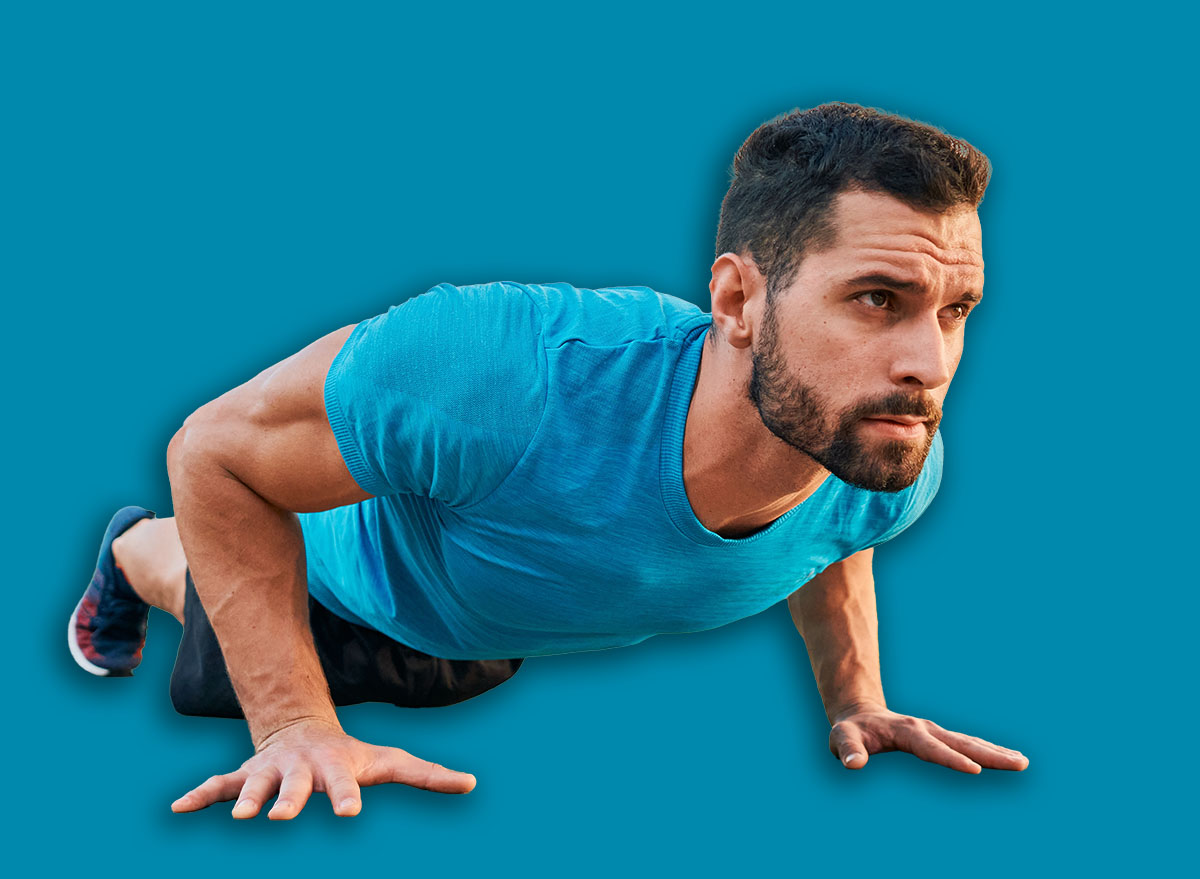
Pushups are a versatile exercise that strengthens the chest, shoulders, and triceps. They also engage the core muscles, contributing to overall stability and posture. “Pushups are great for maintaining strength for carrying and reaching,” Samji notes. Maintaining upper body strength is essential for performing tasks such as carrying groceries, opening doors, and reaching for objects on shelves. Modifications, such as performing pushups against a wall or on your knees, can craft the exercise more accessible for individuals with limited strength or mobility.

- Start in a high plank position with your hands shoulder-width apart, directly under your shoulders.
- Keep your body in a straight line from head to heels, engaging your core.
- Lower your chest towards the floor by bending your elbows, maintaining a controlled movement.
- Press back up to the starting position, straightening your arms.
Hamstring Stretch
Flexibility is just as important as strength, particularly as we age. Tight hamstrings can contribute to lower back pain and limit mobility. “Hamstring stretches, and stretches in general, are great for sustaining mobility by preventing stiffness in the joints,” Samji explains. Regular stretching helps maintain range of motion, improves posture, and reduces the risk of injury. The American College of Sports Medicine recommends incorporating stretching exercises into a well-rounded fitness routine.
- Lie flat on your back with one leg bent and the other extended on the ground.
- Lift your bent leg, bringing your thigh towards your chest.
- Hold behind your thigh with both hands.
- Gradually straighten your lifted leg, extending it towards the ceiling.
- Keep your lower back pressed against the ground and your hips relaxed.
- Gently pull your leg closer to your body, feeling a stretch in the back of your thigh.
- Hold the stretch for 20-30 seconds.
- Lower your leg and repeat on the other side.
Incorporating these five exercises into your daily routine can contribute significantly to maintaining youthful vitality and overall health after 60. Remember to listen to your body, start slowly, and gradually increase the intensity and duration of your workouts as you become stronger. Consult with a healthcare professional before starting any new exercise program, especially if you have underlying health conditions.
As research continues to illuminate the benefits of exercise for healthy aging, staying informed about the latest recommendations is crucial. The American Heart Association provides comprehensive resources on cardiovascular health and exercise guidelines. What are your favorite ways to stay active? Share your tips and experiences in the comments below, and don’t forget to share this article with friends and family who are looking to prioritize their health and well-being.