
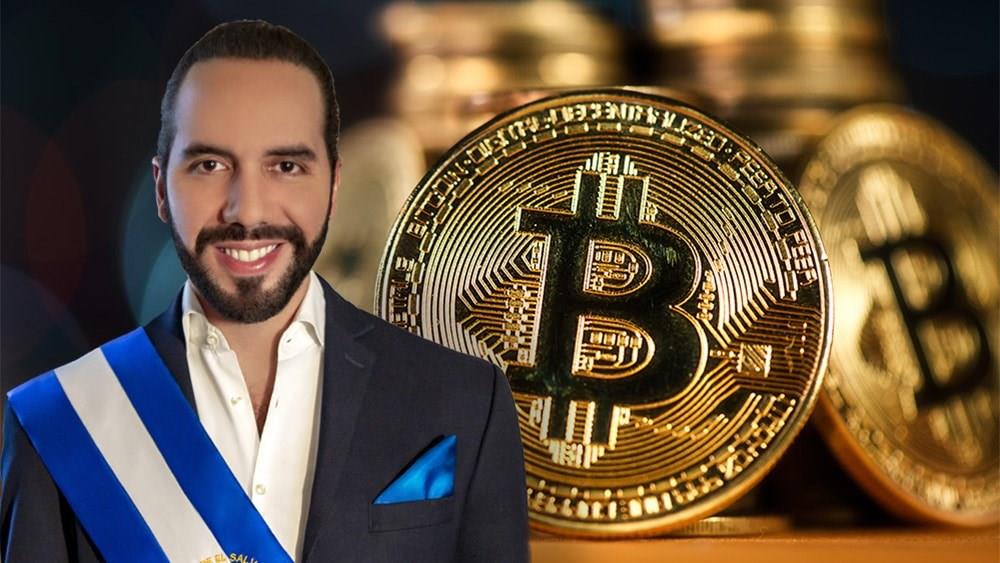
El Salvador marked the fifth anniversary of its Bitcoin Law this September, reflecting on a period that transformed the nation into a global laboratory for digital asset adoption. On September 7, 2021, the Legislative Assembly of El Salvador enacted the Bitcoin Law, making the cryptocurrency legal tender alongside the U.S. dollar, according to official government records. Since then, the country has navigated significant macroeconomic shifts, infrastructure development, and international scrutiny while attempting to build a functional circular economy based on decentralized finance.
The primary objective of the legislation was to reduce reliance on traditional remittance corridors and promote financial inclusion for the estimated 70% of the population that lacked access to formal banking services at the time of the law’s introduction, as reported by the World Bank. Five years later, the economic impact remains a subject of intense debate among international financial institutions and local stakeholders. While the government of President Nayib Bukele maintains that the strategy has bolstered tourism and tech investment, the International Monetary Fund (IMF) continues to express concerns regarding the financial stability risks posed by the volatility of Bitcoin, as noted in their latest Article IV consultation report.
The Regulatory Framework and Financial Infrastructure
Beyond the initial mandate to accept Bitcoin as a medium of exchange, the Salvadoran government established a comprehensive regulatory framework to oversee the integration of digital assets. The creation of the National Digital Assets Commission (CNAD) served as a critical step in providing legal certainty for firms operating within the country’s burgeoning crypto ecosystem, according to the official portal of the commission. This regulatory body is tasked with supervising the issuance of digital assets and ensuring compliance with international anti-money laundering (AML) standards.

The government also launched the Chivo Wallet, a state-sponsored digital wallet designed to facilitate transactions and provide a $30 incentive in Bitcoin to citizens who downloaded the application during the initial rollout. Despite high initial adoption rates, usage patterns have fluctuated, with many users opting to convert digital holdings into U.S. dollars immediately, according to research published by the National Bureau of Economic Research. This behavior highlights the ongoing challenge of transitioning from a speculative asset to a daily transactional currency.
Economic Circularity and Investment Strategy
The concept of a “Bitcoin circular economy” in El Salvador relies on the ability of businesses and individuals to earn, spend, and save in cryptocurrency without reverting to fiat currency. Towns such as El Zonte, often referred to as “Bitcoin Beach,” have served as proof-of-concept sites for this model. Local merchants have integrated Lightning Network-enabled payment systems, allowing for near-instant, low-fee settlements, as documented by the Bitcoin Beach initiative.

Nationally, the strategy involves the accumulation of Bitcoin as a treasury asset. The government has not provided a transparent, public-facing ledger of its total holdings, but President Bukele has periodically announced purchases via social media, stating that the country follows a strategy of buying one Bitcoin per day, as reported by Reuters. This approach remains unique among sovereign nations and continues to draw significant attention from global financial analysts who monitor the relationship between the country’s sovereign debt and its crypto reserves.
What Lies Ahead for Digital Asset Policy
As the country enters the next phase of its Bitcoin experiment, the focus is shifting toward long-term sustainability and the development of energy-intensive projects, such as Bitcoin mining powered by geothermal energy from the Tecapa volcano. The government has touted the “Volcano Bond,” a proposed tokenized financial instrument intended to fund infrastructure and mining operations, though the timeline for its issuance remains subject to market conditions, according to updates from the Ministry of Economy of El Salvador.
The IMF has consistently urged the government to limit the scope of the Bitcoin Law and strengthen regulatory oversight to protect the integrity of the financial system. In contrast, proponents of the law argue that the early-mover advantage has positioned El Salvador as a premier destination for blockchain innovation and tech-sector foreign direct investment. The tension between these two perspectives defines the current economic landscape of the nation.
The next major checkpoint for the country’s economic policy will be the conclusion of the ongoing negotiations with the IMF regarding a potential loan program, which officials have stated will require a balanced approach to fiscal policy and digital asset management, as indicated in statements from the Central Reserve Bank of El Salvador. Stakeholders are encouraged to follow official government bulletins for updates on regulatory changes and upcoming fiscal disclosures. Please share your perspectives on the long-term viability of this model in the comments section below.
Related reading