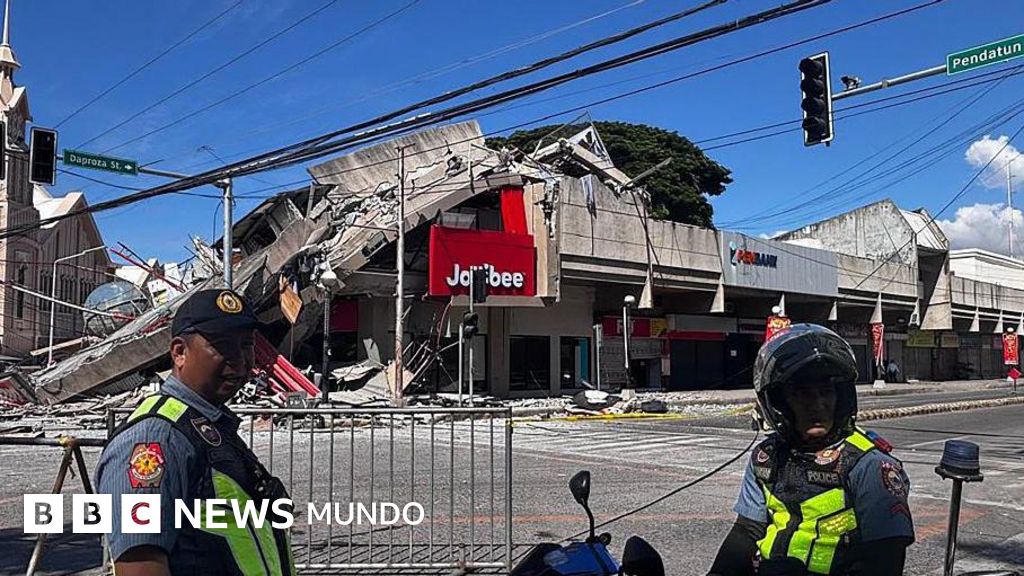
A powerful 7.8-magnitude earthquake struck the southern Philippines, triggering immediate tsunami warnings and causing significant damage across the Mindanao region. Local authorities and emergency response agencies are currently working to assess the full scale of the impact, as initial reports confirm casualties and injuries among the affected coastal populations. The seismic event has prompted widespread evacuations in areas deemed at risk of rising sea levels.
As the Editor for the World section here at World Today Journal, I am tracking the situation closely. My experience covering international crises has taught me that the hours following such a major geological event are critical for both humanitarian relief and the verification of emerging data. We are committed to providing you with the most accurate, verified information as it becomes available from official regional monitoring bodies and civil defense authorities.
Understanding the Seismic Event and Tsunami Risk
The earthquake, which registered a magnitude of 7.8, occurred in the southern Philippines, specifically impacting the coastal provinces of Mindanao. According to reports from regional disaster risk management agencies, the intensity of the tremor necessitated the issuance of tsunami alerts for several coastal communities. These warnings were communicated to ensure the immediate evacuation of residents to higher ground, a standard safety protocol for underwater or near-shore earthquakes of this magnitude.
Tsunami warnings in the Pacific are managed through coordinated efforts between national geological agencies and the Pacific Tsunami Warning Center. When a quake of this intensity hits, the potential for wave displacement is high. Coastal residents in the affected provinces were advised to move away from the shoreline as a precautionary measure to mitigate the risk of surge-related injuries or property destruction. For real-time updates on tsunami advisories and safety protocols, residents and concerned parties are encouraged to monitor the official channels of the Philippine Institute of Volcanology and Seismology (PHIVOLCS).
Assessing the Human and Material Toll
Current reports indicate that the earthquake has resulted in casualties, with local authorities confirming that dozens of people have been killed or injured. While search and rescue operations are ongoing, the exact number of victims remains subject to change as emergency responders gain access to more remote areas impacted by the tremor. The structural damage to residential buildings, critical infrastructure, and power grids is being evaluated by provincial disaster units.
In situations of this nature, the primary objective is the preservation of life through organized search and rescue. Local government units in the southern Philippines have mobilized resources to support those displaced by the destruction. Coordination between the national government and local municipalities is essential to ensure that medical supplies, food, and shelter reach the communities most severely affected by the earthquake. We will continue to update this report as official tallies regarding the total number of victims and the extent of the infrastructure damage are verified by the national government.
Safety and Preparedness for Coastal Residents
For those in the region, the threat from an earthquake of this magnitude can extend beyond the initial shaking. Aftershocks are common following a 7.8-magnitude event and can cause further instability to already damaged structures. Emergency management experts emphasize the importance of remaining away from damaged buildings and following the instructions of local authorities regarding safe zones and evacuation routes.
:max_bytes(150000):strip_icc():focal(943x690:945x692)/earthquake-Philippines-100125-02-e8865871d20344388556738345829c51.jpg "Safety and Preparedness for Coastal Residents")
The international community often provides support in the aftermath of such disasters, but the immediate response is led by the national disaster coordination agencies. It is vital for the public to rely on verified information from government sources rather than unconfirmed reports circulating on social media. Accurate, timely updates are the best tools for maintaining public safety during these critical periods of uncertainty. As we monitor the recovery efforts, we encourage our readers to stay informed through official government bulletins and reputable international reporting agencies.
The situation remains fluid. We are awaiting the next official update from the Philippine government regarding the final casualty figures and the status of the tsunami alerts. We invite our readers to share their thoughts or any verified information they have observed from official local sources in the comments section below. Your participation helps us maintain a comprehensive view of the ongoing humanitarian response.