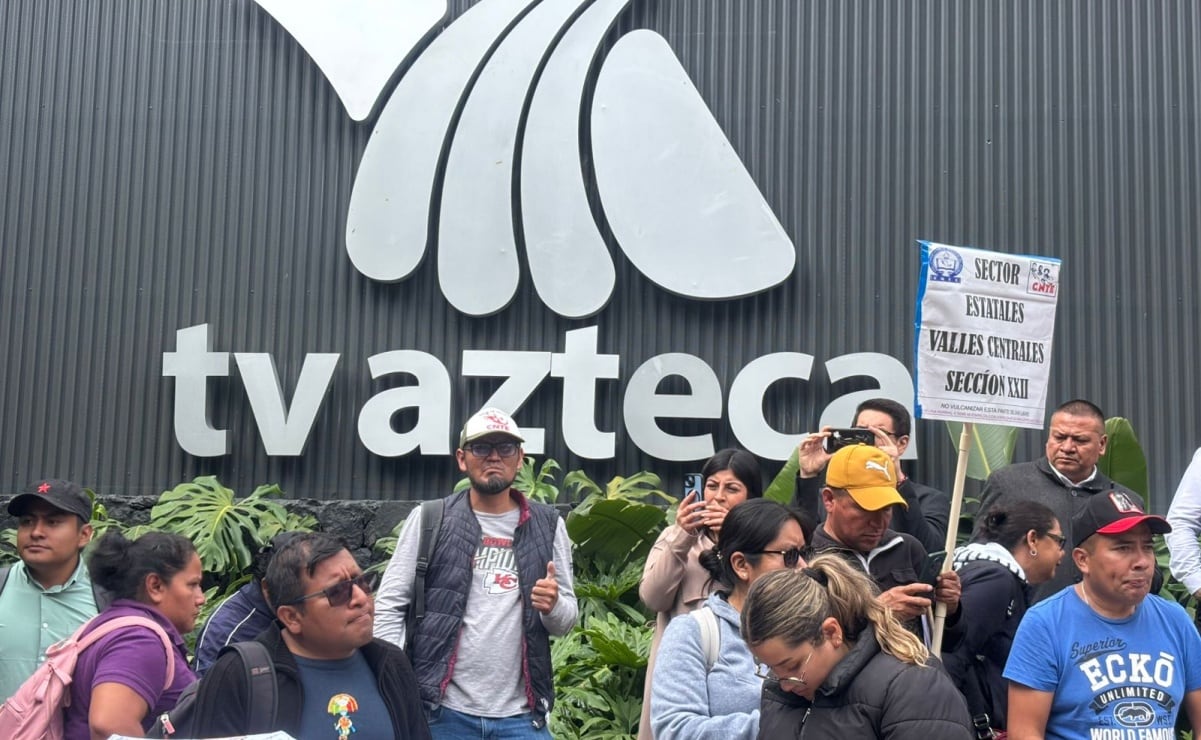
In August 2013, members of the Coordinadora Nacional de Trabajadores de la Educación (CNTE) launched a series of targeted demonstrations against Mexico’s largest television broadcasters, including TV Azteca and Televisa. The teachers sought to demand airtime to broadcast their opposition to the federal government’s sweeping educational reforms, which they argued would facilitate the privatization of the national school system.
The demonstrations, which took place in Mexico City, were characterized by significant disruptions to major transit arteries. Protesters blocked Avenida Chapultepec and Periférico Sur, creating substantial traffic congestion across the capital. The movement’s primary objective was to challenge what they perceived as a media blackout regarding the grievances of the teaching community during a period of intense political friction over national education policy.
Demands for Media Representation and Airtime
The CNTE’s decision to target major media outlets was a strategic attempt to bypass what they described as biased coverage of their movement. During the protests, teachers converged on the installations of Televisa and TV Azteca, demanding that the networks provide a platform for their specific perspectives on the proposed constitutional changes.
According to reports from the time, members of the CNTE’s Section 22 engaged in negotiations with broadcasters to secure airtime. In one instance, representatives from the union reached an agreement with TV Azteca, located in the Ajusco area, to allow the teachers two minutes of broadcast time during the 14:00 news program. This agreement was reportedly contingent on the broadcaster refraining from making negative comments regarding the movement following the broadcast. In exchange for this airtime, union members agreed to clear the traffic obstructions on Periférico Sur.
The teachers argued that the major networks were failing to represent the reality of the educational sector. By targeting these specific institutions, the CNTE aimed to force a public dialogue regarding the implications of the Mexican educational reform, which was a central pillar of the administration of then-President Enrique Peña Nieto.
The Core Conflict: Concerns Over the Educational Reform
The friction between the CNTE and the federal government centered on a series of constitutional amendments intended to overhaul the nation’s teaching standards and evaluation processes. While the government framed the reform as a necessary modernization of the school system, the CNTE viewed it as a direct threat to the stability and autonomy of public education.
The union’s opposition was rooted in several key arguments:
- Privatization Risks: Teachers expressed fears that the reform was a precursor to the privatization of education, suggesting that the government intended to open the sector to private interests and corporate profit.
- Constitutional Amendments: Protesters specifically flagged modifications to Articles 3 and 23 of the Constitution. They argued these changes did not reflect the true needs of educators and would undermine the quality of public instruction.
- International Models: The CNTE criticized the reform for being a copy of educational models implemented in other countries, such as Spain and Chile, which they claimed had resulted in systemic failures.
- Lack of Dialogue: Despite the government’s claims of consultation, the CNTE asserted they had been misled by the Secretariat of the Interior (Segob), claiming that their previous proposals and the 12 forums they had conducted across the country had been ignored.
The teachers maintained that they were not opposed to the concept of evaluation itself, but rather the specific mechanism and political intent behind the government’s proposed framework.
Impact on Mexico City Infrastructure
The protests had an immediate and significant impact on the mobility of Mexico City. By selecting high-traffic locations, the CNTE ensured that their presence could not be ignored by the public or the authorities.
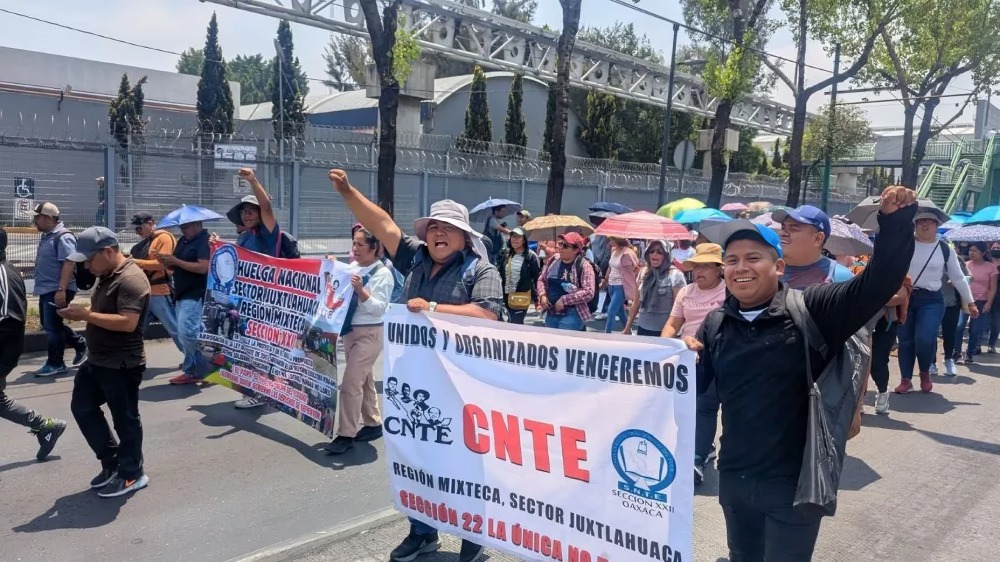
At the height of the demonstrations, hundreds of teachers blocked Avenida Chapultepec at the level of the Balderas intersection, a critical point for commuters in the city center. Simultaneously, the blockade of Periférico Sur near the TV Azteca facilities caused massive delays in both directions. These actions forced commuters to seek alternative routes and highlighted the ability of organized labor movements to exert pressure through civil disobedience.
The tactical use of traffic blockades became a hallmark of the CNTE’s protest strategy during this era, used to draw attention to their cause and demonstrate the scale of their mobilization.
Context of the CNTE Movement
To understand the intensity of the 2013 protests, it is necessary to recognize the long-standing role of the CNTE in Mexican politics. Unlike the more mainstream teachers’ union, the CNTE has historically maintained a more radical, confrontational stance against federal educational policies.
The 2013 reform represented one of the most significant challenges to the union’s influence in decades. By introducing mandatory evaluations for teachers as a requirement for job security and promotions, the government sought to centralize control over the teaching profession. This move directly challenged the traditional power structures within the unions, leading to the widespread strikes and demonstrations seen throughout the country.
Key Takeaways of the 2013 Protests
- Targeted Media Pressure: The CNTE used physical blockades to force broadcasters like TV Azteca and Televisa to provide airtime for their grievances.
- Legislative Disagreement: The primary driver was opposition to constitutional changes to Articles 3 and 23, which teachers believed favored privatization.
- Urban Disruption: Major thoroughfares, including Periférico Sur and Avenida Chapultepec, faced significant closures.
- Strategic Negotiations: The union utilized the release of traffic as a bargaining chip to secure media representation.
The standoff at the television stations served as a microcosm of the broader struggle between the Mexican state and organized labor, illustrating the tension between government-led structural reforms and the protection of established institutional rights.
Official updates regarding the status of educational reform and subsequent labor negotiations are typically released through the Mexican Secretariat of Public Education (SEP). For further historical context on labor movements in Mexico, researchers often consult official government archives and academic studies on Mexican educational policy.
What are your thoughts on the role of media in representing social movements? Let us know in the comments below and share this article with your network.
- Unrest in Pakistan-administered Kashmir casts doubt over polls – and region’s future
- Videó: Süllyedni kezdett egy utasokkal teli hajó az Erzsébet hídnál, hétórás küzdelemmel akadályozták meg a legrosszabbat – Szeretlek Magyarország
- France 24 Report: Latest Updates from Luke Shrago (world-today-news.com)