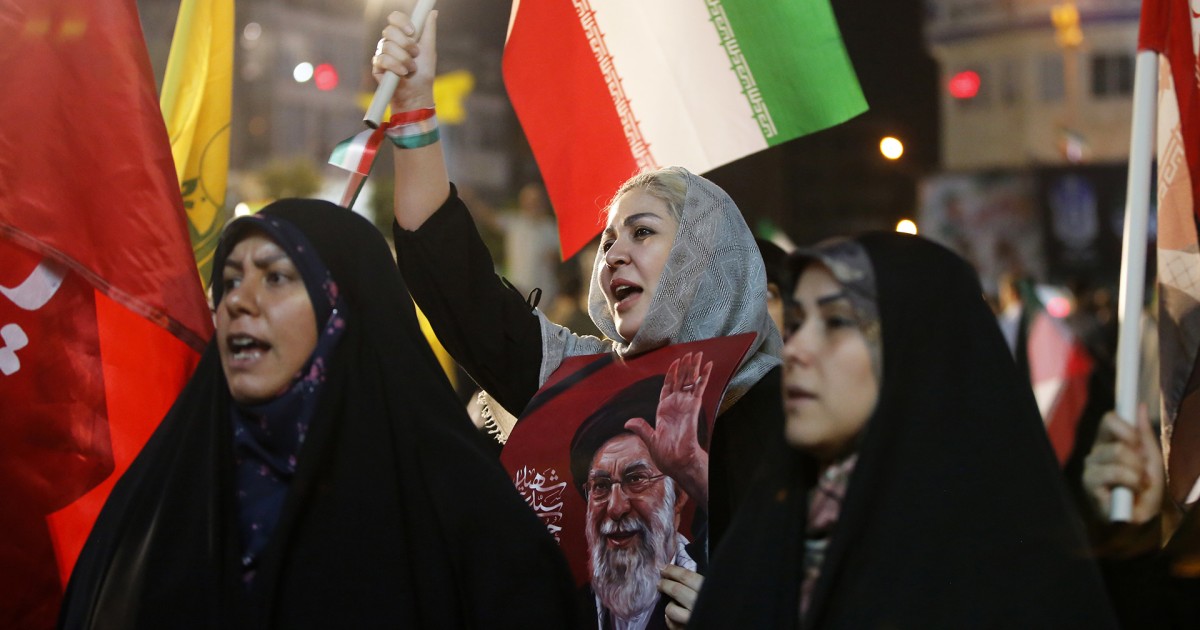
TEHRAN — Scenes of jubilation and chanting filled the streets of Tehran this week as Iranians feel a sense of pride after launching strikes on Israel, marking a significant and volatile escalation in the long-standing shadow war between the two regional powers. Crowds gathered in major squares across the Iranian capital, waving national flags and celebrating what many described as a successful demonstration of the country’s military reach.
The surge of public support follows Iran’s direct missile strikes against Israeli territory, a move that represents the first major ballistic exchange between the two nations since a fragile ceasefire was established in April. This breakdown in diplomacy has sent shockwaves through the Middle East, reigniting fears of a full-scale regional conflagration that could involve multiple state and non-state actors.
The escalation was not an isolated event but followed a series of targeted Israeli strikes in the southern suburbs of Beirut, Lebanon. These Israeli operations were reportedly conducted in retaliation for what Israel described as ongoing attacks by Hezbollah, the Lebanese militant group and political party closely aligned with Tehran. The cycle of retaliation has rapidly moved from the periphery of proxy conflicts to direct, state-on-state military engagement.
The Catalyst: Retaliation and the Beirut Strikes
The immediate trigger for the recent Iranian missile volley appears to be the intensified Israeli military activity in Lebanon. For several days leading up to the strikes, Israel conducted air operations targeting the southern suburbs of Beirut, an area often referred to as Dahiyeh. This district is widely recognized by intelligence agencies and international observers as a primary stronghold for Hezbollah leadership and its operational infrastructure.
Israeli officials have maintained that their strikes in Beirut are defensive measures intended to degrade Hezbollah’s ability to launch rockets into northern Israel. The Israeli military has frequently cited the need to neutralize command-and-control centers and weapon caches following what it characterizes as “alleged Hezbollah attacks” on Israeli civilian and military targets. The precision and frequency of these strikes in Lebanon have been a central point of contention in the ongoing regional instability.
The Iranian government’s decision to respond directly with missiles suggests a shift in strategic doctrine. By moving from supporting proxies to launching direct strikes, Tehran has signaled that the “red lines” established during the April ceasefire are no longer in effect. This shift has fundamentally altered the risk calculations for both Israel and its neighbors, as the possibility of direct confrontation becomes a recurring reality rather than a theoretical threat.
Breaking the April Ceasefire
The current tension stands in stark contrast to the relative calm observed earlier this year. In April, a ceasefire had been reached, aimed at cooling the heated exchanges between Israel and its northern border neighbors. For several months, this truce provided a precarious window for diplomatic maneuvering and a temporary reduction in kinetic activity along the Israel-Lebanon border.
However, the stability of that agreement was undermined by the persistent cycle of cross-border skirmishes. While the ceasefire successfully limited large-scale troop movements, it failed to address the underlying grievances and the strategic objectives of the combatants. The “alleged Hezbollah attacks” mentioned by Israeli authorities have been a primary driver in the erosion of the truce, creating a pretext for the strikes in Beirut that eventually prompted the Iranian response.
Analysts note that the failure of the April ceasefire highlights the difficulty of maintaining peace in a landscape where non-state actors like Hezbollah hold significant territorial and military influence. When the primary signatories of a ceasefire—the states—cannot fully control the actions of their affiliated militant groups, the agreement remains inherently unstable.
Geopolitical Implications: A Region on the Brink
The direct involvement of Iran in the current exchange has profound implications for the broader Middle East. For years, the conflict between Israel and Iran has been fought largely through “gray zone” warfare—utilizing cyberattacks, maritime sabotage, and proxy groups. The transition to direct missile strikes represents a “normalization” of high-intensity conflict between the two nations.
This development places several key stakeholders in a difficult position:
- The United States: Washington faces the challenge of supporting Israel’s security while simultaneously attempting to prevent a wider regional war that could draw American forces into a direct conflict with Iran.
- Lebanon: The country remains caught in the crossfire, with its infrastructure and civilian population bearing the brunt of the strikes in Beirut and the surrounding areas.
- The “Axis of Resistance”: Groups such as Hezbollah, the Houthis in Yemen, and various militias in Iraq and Syria are watching these developments closely, as the success or failure of Iran’s direct strikes will dictate their own future tactical approaches.
The “sense of pride” reported in Tehran is a critical piece of the geopolitical puzzle. It suggests that the Iranian leadership’s strategy of direct confrontation has, at least in the short term, resonated with a significant portion of the domestic population. This domestic legitimacy is vital for the Iranian government as it navigates international sanctions and internal economic pressures.
Public Sentiment in Tehran: Pride or Polarization?
The celebrations in Tehran reveal a complex domestic landscape. For many Iranians, the ability to strike deep into Israeli territory is viewed as a symbol of national strength and a successful defiance of Western-aligned military superiority. The chants heard in the streets reflect a long-standing ideological opposition to the existence of the Israeli state, a pillar of the Islamic Republic’s foreign policy.
However, political analysts caution that this “sense of pride” may not represent a universal sentiment. While the missile strikes have unified certain segments of the population under a banner of nationalistic fervor, other segments of Iranian society remain concerned about the economic and security consequences of such escalations. The cost of military mobilization and the potential for devastating retaliatory strikes on Iranian soil remain significant concerns for those wary of further regional instability.
The government’s ability to harness this public sentiment is a key factor in its decision-making process. If the strikes are perceived as a victory, it bolsters the regime’s authority. If they lead to a direct and overwhelming Israeli or American counter-offensive, the domestic political cost could be catastrophic.
Key Takeaways: The Iran-Israel Escalation
- Direct Confrontation: Iran has moved from proxy warfare to direct missile strikes against Israel, breaking the April ceasefire.
- The Beirut Connection: The escalation was triggered by Israeli strikes in Beirut’s southern suburbs targeting Hezbollah infrastructure.
- Domestic Reaction: Significant public celebrations in Tehran indicate a “sense of pride” in Iran’s military capabilities.
- Regional Risk: The breakdown of previous agreements increases the likelihood of a multi-front war involving Hezbollah and other regional actors.
What Happens Next?
The immediate future remains highly uncertain. The international community is currently monitoring several key indicators to determine if the situation will continue to spiral or if a new round of diplomatic efforts can be initiated. Watchful eyes are turned toward the United Nations and regional mediators who are attempting to establish a new framework for de-escalation.

The next critical checkpoints will include:
- Israeli Cabinet Decisions: Whether Israel opts for a localized response against Hezbollah or a broader retaliatory strike against Iranian soil.
- Iranian Military Posture: Whether Tehran prepares for further missile volleys or shifts back to a posture of strategic deterrence.
- Diplomatic Communiqués: Official statements from the UN Security Council regarding the legality and impact of the strikes on regional peace.
As the dust settles from the initial strikes, the central question remains whether the Middle East is entering a new era of direct state-on-state conflict, or if the current volatility is a temporary, albeit violent, spike in an ongoing struggle.
For ongoing updates on this developing story, please follow our World News section. We encourage you to share this report and join the conversation in the comments below.
Related reading