
As the international football community prepares for the 2026 FIFA World Cup, the question of club representation has once again moved to the forefront of global sports discourse. Identifying which professional teams contribute the most players to the tournament is a vital metric for understanding the concentration of talent in elite leagues. While final rosters are determined by national team managers closer to the tournament, historical data and recent qualification trends provide a clear window into the clubs that serve as the primary engines for international football squads.
The 2026 tournament, which will be jointly hosted by the United States, Canada, and Mexico, represents a significant expansion in the number of participating nations. According to official FIFA tournament documentation, the 2026 edition will feature 48 teams for the first time, a substantial increase from the 32-team format used in previous iterations. This expansion directly impacts the number of players required, effectively increasing the total pool of athletes drawn from club sides worldwide.
Elite Clubs and Global Talent Distribution
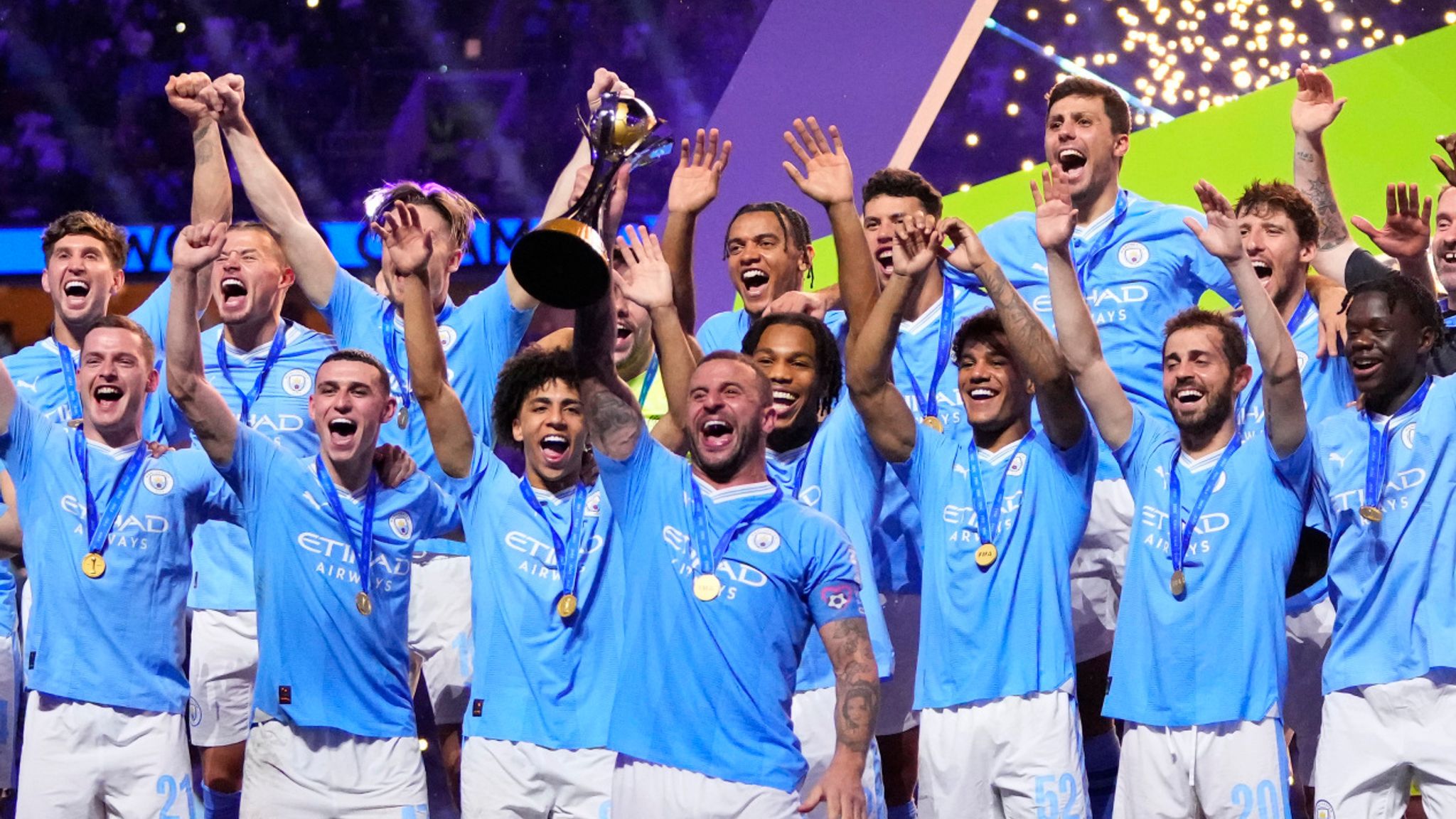
Top-tier European clubs, particularly those competing in the UEFA Champions League, consistently dominate the landscape of international representation. Clubs such as Manchester City, Real Madrid, and Bayern Munich frequently lead these metrics due to their ability to attract high-caliber talent from diverse international backgrounds. For instance, during the 2022 World Cup in Qatar, Manchester City saw a high volume of its squad members participate in the tournament, reflecting the club’s status as a hub for national team regulars. Detailed records of player release policies are maintained by the European Club Association (ECA), which coordinates with FIFA to manage the impacts of international breaks on domestic schedules.
The rise of investment in leagues outside of Europe, such as the Saudi Pro League, has introduced new dynamics to this distribution. Clubs like Al-Hilal have become increasingly prominent in international discussions as they recruit globally recognized talent. This shift suggests that the “most represented” list for 2026 may look different than in previous years, as the geographical concentration of elite players continues to diversify across continents.
What the 2026 Expansion Means for Club Squads
With the increase to 48 teams, the 2026 World Cup will require over 1,000 players to fill final rosters. This expansion means that more clubs—including those in leagues that previously saw limited representation—will likely see their players called up to represent their nations. The logistical challenge for these clubs is significant; they must manage player fatigue and potential injury risks during the mid-season or post-season periods, depending on regional league calendars. The FIFA Regulations on the Status and Transfer of Players govern the mandatory release of athletes for these international windows, ensuring that clubs must comply with player availability requirements set by the governing body.
For fans and analysts, tracking this representation serves as a measure of a club’s scouting success and financial health. A club’s ability to send a large contingent to the World Cup is often cited as a benchmark of its prestige, but it also reflects the global reach of its recruitment network. As we approach the tournament, official squad announcements will serve as the definitive confirmation of which clubs have successfully positioned themselves as the primary suppliers of international talent.
Looking Ahead: The Path to the World Cup
The final confirmation of club representation will not be available until the official submission of national team rosters, which typically occurs weeks before the opening match. Until then, stakeholders monitor the ongoing qualification matches and regional tournaments to gauge which players are likely to be selected. The next major milestone for tracking these developments will be the final FIFA international window prior to the tournament, during which national team managers will finalize their tactical plans.
We encourage our readers to keep a close eye on official FIFA announcements and their respective national football association portals for the most accurate updates as the 2026 World Cup draws closer. Have you been following the qualification progress of your favorite players? Share your thoughts and predictions in the comments section below as we track the road to the 2026 tournament.
Keep reading