There is a specific, nostalgic rhythm to the summer cookout: the scent of charcoal smoke drifting through the air, the sound of laughter over a shared table, and the inevitable arrival of the classic side dishes. Among these, potato salad holds a perennial spot of honor. It is creamy, comforting, and seemingly essential to the backyard BBQ experience. However, as a physician and health journalist, I often find that the most “convenient” versions of our favorite summer staples come with a hidden cost that many consumers overlook until they are reviewing their blood pressure readings.
For those managing hypertension or simply looking to maintain a heart-healthy lifestyle, the primary culprit in many deli-counter favorites is sodium. While salt is a necessary nutrient, the modern diet—particularly one reliant on processed, ready-to-eat foods—often exceeds the levels recommended by global health authorities. When you are standing in a grocery aisle, faced with a dozen different tubs of creamy potato salad, the difference between a “best” choice and a “worst” choice can be measured in hundreds of milligrams of sodium. This can significantly impact your total daily intake in just a single serving.
In this guide, we are moving beyond mere flavor profiles to examine the nutritional reality of popular, store-bought options. We have ranked seven common potato salads from highest to lowest sodium content to help you navigate your next summer gathering with both enjoyment and clinical awareness. Our goal is to provide you with the data necessary to make an informed decision that aligns with your dietary goals without sacrificing the social joys of the season.
The Physiological Impact of Excessive Sodium
To understand why a ranking based on sodium matters, we must first understand the biological mechanism at play. Sodium is an electrolyte that helps maintain the balance of fluids in and around your cells. However, when sodium levels in the bloodstream become elevated, it creates an osmotic effect, drawing more water into your blood vessels. This increase in fluid volume raises your blood pressure, putting additional strain on the heart and the walls of the arteries.

According to the American Heart Association, most adults should aim for no more than 2,300 milligrams of sodium per day, though an ideal limit for many is closer to 1,500 milligrams. When a single serving of a side dish contains 600 or 700 milligrams, you have already consumed nearly half of your daily allowance before the main course has even been served. This is particularly concerning for individuals already diagnosed with cardiovascular disease or chronic kidney disease, where sodium management is a cornerstone of treatment.
the World Health Organization (WHO) emphasizes that reducing salt intake is one of the most effective ways to combat the global rise in non-communicable diseases. In the context of processed foods like store-bought potato salad, sodium is often used not just for flavor, but as a preservative to extend shelf life. This makes “convenience” foods a primary target for nutritional intervention.
Ranking Store-Bought Potato Salads: From Highest to Lowest Sodium
The following ranking is based strictly on the sodium content per serving. As you read through, remember that “best” in this context refers specifically to the lowest sodium impact, not necessarily the highest culinary rating.
7. Market Pantry Classic Potato Salad
At the bottom of our list for sodium management is the Market Pantry Classic Potato Salad, which contains 670 mg of sodium per serving. While the brand notes that the product contains no artificial flavors or colors, the high salt content makes it a challenging option for those monitoring their cardiovascular health. A single serving of this salad represents a significant portion of the daily recommended limit for a healthy adult.
6. Freshness Guaranteed Deviled Egg Potato Salad
Close behind is the Freshness Guaranteed Deviled Egg Potato Salad, containing 660 mg of sodium per serving. Deviled egg-style salads often incorporate extra seasonings to mimic the tang of mustard and egg yolk, which can frequently lead to higher salt concentrations. While shoppers have noted its resemblance to traditional family recipes, the sodium load remains high.
:max_bytes(150000):strip_icc()/Simply-Recipes-Classic-Deviled-Eggs-LEAD-1-3e413ee4039f42c0ade4b9a982747904.jpg "Best Based Deviled")
5. Kroger Southern Style Potato Salad
Moving into the middle of the pack, Kroger’s Southern Style Potato Salad offers 560 mg of sodium per serving. This variety features a mix of bell pepper, celery, and carrot in a creamy mayonnaise base. While the inclusion of vegetables adds texture, the “savory spice mix” mentioned in its description is often where the bulk of the sodium resides.
4. Reser’s Original Potato Salad
Reser’s Original Potato Salad sits at 550 mg of sodium per serving. This brand leans heavily on its heritage, utilizing a recipe dating back to 1950 that blends Russet potatoes with celery, onions, and sweet pickles. Notably, the brand avoids high fructose corn syrup and artificial colors, but for those on a strict low-sodium diet, it still falls into the moderate-to-high category.
3. Sprouts Red Potato Salad With Dill
A significantly better option for health-conscious shoppers is the Sprouts Red Potato Salad With Dill, which contains 510 mg of sodium per serving. The use of dill and red potatoes provides a flavor profile that relies more on herbs than on salt alone. While some consumers have noted the higher price point, the nutritional trade-off is a step in the right direction for sodium reduction.
2. Whole Foods Market Red Bliss Potato Salad
The Whole Foods Market Red Bliss Potato Salad is a strong contender for those seeking a more mindful deli option, with 490 mg of sodium per serving. This product is formulated without hydrogenated fats, high-fructose corn syrup, or added MSG. By avoiding these additives, the brand offers a cleaner label that is generally more compatible with a wellness-focused diet.
1. Sprouts Potato Salad
Taking the top spot for the lowest sodium content is the standard Sprouts Potato Salad, containing 480 mg of sodium per serving. While it is still a processed food, it offers the most manageable sodium profile among the seven brands analyzed. For a quick, last-minute addition to a meal, this represents the most sodium-efficient choice on this list.
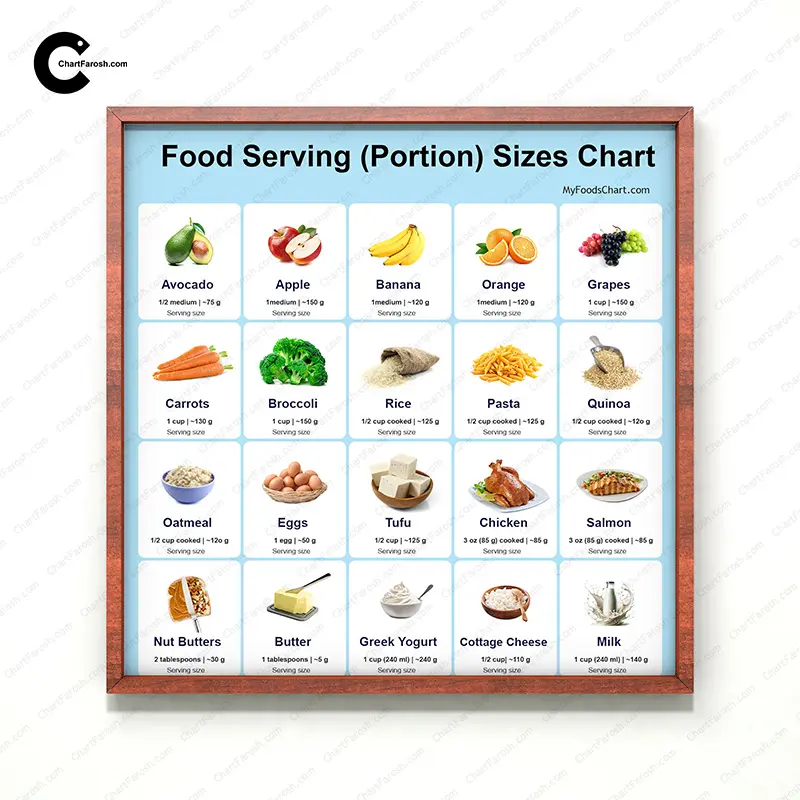
How to Read the Label Like a Pro
When you are navigating the deli section, do not rely solely on marketing claims like “all-natural” or “no artificial colors.” These terms are often loosely regulated and do not provide information about sodium levels. To truly protect your health, you must master the Nutrition Facts panel.
- Check the Serving Size: This is the most common pitfall. A container may list a low sodium count per serving, but if the entire container is actually two or three servings, you could easily consume triple the amount of salt you intended.
- Look for “Hidden” Sodium: Sodium is often present in ingredients other than table salt. Look out for words like sodium benzoate (a preservative), monosodium glutamate (MSG), and various “salts” (such as sodium acid pyrophosphate).
- The Percentage Daily Value (%DV): Use the %DV as a quick guide. A rule of thumb in nutrition is that 5% DV or less is considered low, while 20% DV or more is considered high. If a single side dish provides 25% of your daily sodium, it is a high-sodium food.
Key Takeaways for Healthy Summer Dining
| Product Name | Sodium per Serving | Health Category |
|---|---|---|
| Market Pantry Classic | 670 mg | High Sodium |
| Freshness Guaranteed Deviled Egg | 660 mg | High Sodium |
| Kroger Southern Style | 560 mg | Moderate-High |
| Reser’s Original | 550 mg | Moderate-High |
| Sprouts Red Potato Salad (Dill) | 510 mg | Moderate |
| Whole Foods Red Bliss | 490 mg | Moderate-Low |
| Sprouts Potato Salad | 480 mg | Moderate-Low |
while these rankings provide a helpful roadmap for selecting the “lesser of many evils” in the deli aisle, the gold standard for sodium control remains homemade preparation. By making your own potato salad, you can control the amount of salt used, substitute salt for high-impact aromatics like fresh garlic, chives, or lemon juice, and ensure that you are using heart-healthy fats.
As we continue to monitor food labeling trends and public health advisories, we encourage you to stay vigilant. The next time you prepare for a gathering, take that extra minute to turn the container around and read the fine print. Your heart will thank you.
What are your favorite ways to add flavor to food without excess salt? Share your tips in the comments below and share this article with someone who is watching their sodium intake!
Related reading