
A recent public consultation held by the City of Lyon regarding the future of the Presqu’île district has revealed that 72% of respondents support maintaining the current east-west traffic flow along Rue Grenette. This finding, released following a participatory process conducted in late April, highlights a significant divide between local administrative goals for urban pedestrianization and the preferences of residents and commuters who rely on the thoroughfare for cross-city travel.
The consultation process, initiated by the municipal government of Lyon, sought to gather feedback on the “Presqu’île à vivre” project, an ambitious urban planning initiative aimed at transforming the heart of the city. According to official documents from the City of Lyon, the project is designed to reduce vehicular congestion and improve air quality in the historic peninsula, which sits between the Rhône and Saône rivers. However, the specific status of Rue Grenette—a critical artery connecting the two riverbanks—has become a focal point of debate for stakeholders ranging from local business owners to environmental advocates.
Understanding the Rue Grenette Traffic Debate
The Rue Grenette has historically served as a vital link for east-west traffic in Lyon. As the city moves forward with its broader Grand Lyon urban mobility strategy, the removal of private vehicle access from key streets has emerged as a primary tool for reducing emissions and enhancing public space. The 72% figure cited in the recent consultation represents a clear signal from the public that they prioritize the convenience of the existing east-west corridor over the proposed full-scale pedestrianization of that specific segment.
The municipal administration, led by Mayor Grégory Doucet, has consistently framed the “Presqu’île à vivre” project as a necessary evolution for a modern, climate-conscious city. Proponents of the plan argue that decreasing car traffic is essential to meeting the city’s climate targets, as outlined in the City of Lyon Climate Plan. Conversely, critics and those who participated in the April consultation argue that closing such a major artery would result in increased congestion on parallel routes and negatively impact the economic viability of local shops that depend on delivery access and customer transit.
The Impact on Urban Mobility
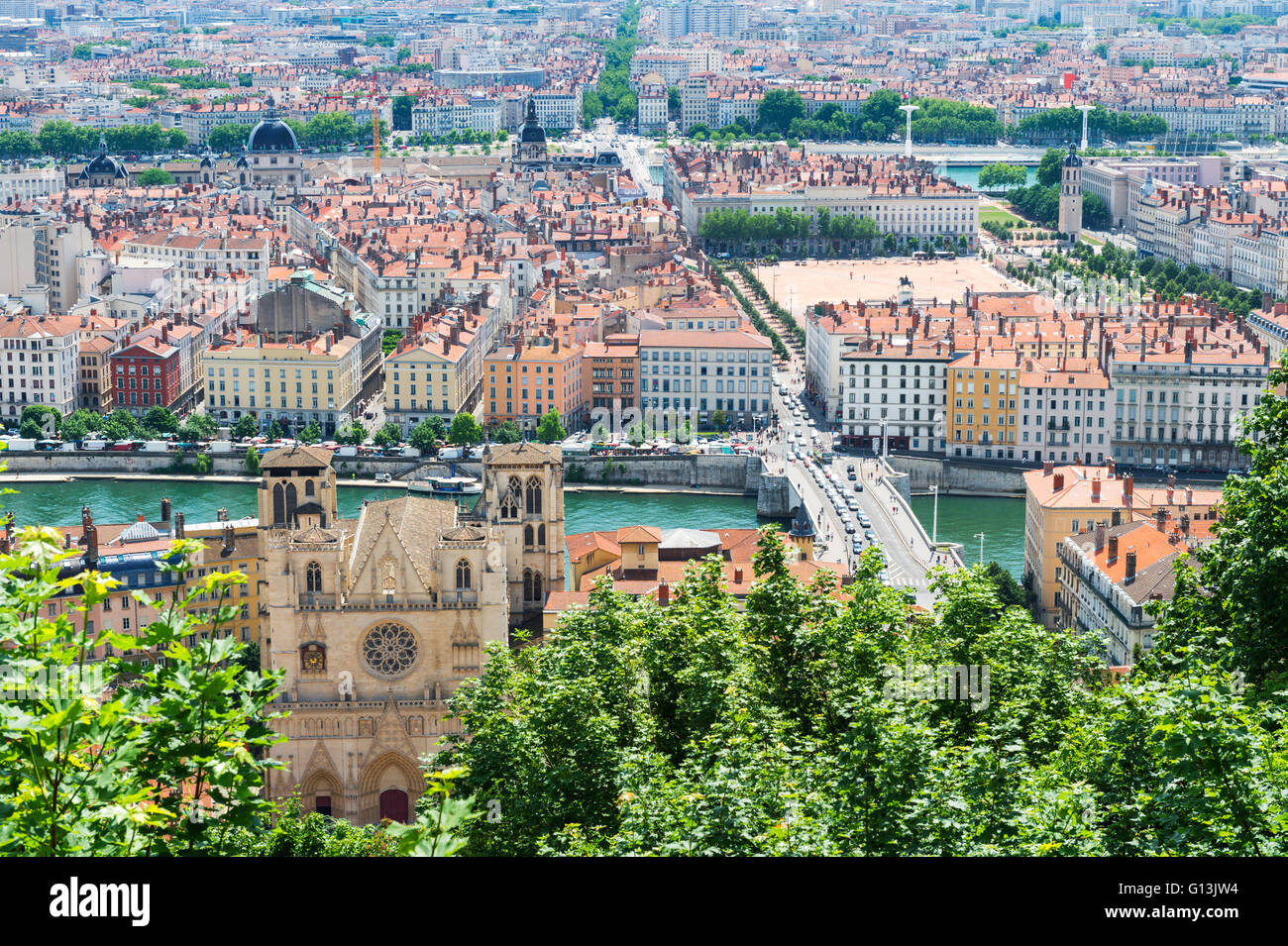
The tension surrounding Rue Grenette is not an isolated incident but rather part of a larger trend in French urban planning. Similar debates have played out in cities like Paris and Bordeaux, where municipal authorities have faced pushback against the rapid removal of car lanes. In Lyon, the challenge is compounded by the geography of the Presqu’île, which is already prone to bottlenecks due to its narrow streets and high density.
According to reports from the Le Progrès, a regional newspaper that has tracked the consultation process, the city must now reconcile these survey results with its stated environmental objectives. The data suggests that while there is broad support for the general idea of a more breathable, green city, the public remains sensitive to the practical implications of infrastructure changes. The city government has indicated that it will take these findings into account as it refines the final phases of the project, though officials have stopped short of guaranteeing that the 72% preference will result in a total reversal of policy.
What Happens Next for the Presqu’île Project
The municipal authorities are expected to provide a comprehensive update on the next stages of the “Presqu’île à vivre” project in the coming months. This process will include a review of the feedback gathered during the spring consultation period and an assessment of how traffic management plans might be adjusted to better reflect the public’s concerns without abandoning the core goals of the pedestrianization initiative.
For residents and commuters, the most immediate point of interest will be the publication of the final implementation schedule. The city has committed to transparency throughout the process, and further details regarding public hearings or additional adjustments to the traffic flow can be monitored through the official portal for city services and urban projects. As the debate continues, the case of Rue Grenette serves as a reminder of the complex balance required when integrating modern environmental policy into the daily lives of an urban population.
We encourage our readers to share their thoughts on the future of urban mobility in Lyon. How should the city balance its climate goals with the realities of daily traffic? Please join the conversation in the comments section below.
Keep reading