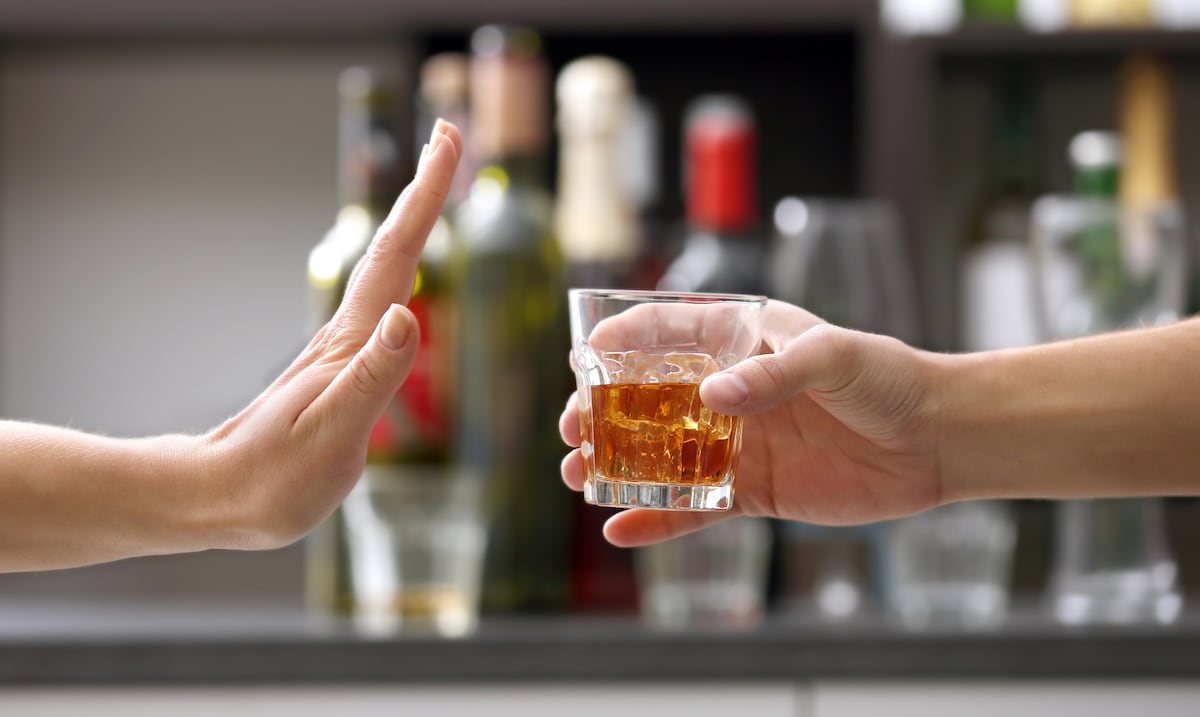
Young adults in Puerto Rico and across the globe are increasingly choosing to abstain from alcohol, a behavioral shift that is reshaping the beverage industry and challenging long-standing social norms. Data indicates that Gen Z—the cohort born roughly between 1997 and 2012—is consuming alcohol at lower rates than previous generations, favoring functional beverages and non-alcoholic alternatives instead. This trend, often referred to as the “sober curious” movement, has prompted a strategic pivot among retailers and hospitality venues to accommodate a growing demographic that prioritizes wellness and mental clarity over traditional drinking culture.
The shift is not merely anecdotal; it is a measurable change in consumer behavior. According to reports from market analysts, approximately six out of every ten young adults are now opting for non-alcoholic options when socializing, marking a significant departure from the consumption patterns observed in Millennials or Generation X. This transition is being driven by a combination of health-conscious decision-making, an increased focus on physical fitness, and a preference for “functional” drinks that offer perceived benefits such as improved focus or reduced stress, rather than the sedative effects of ethanol. For the Caribbean market, this represents a major evolution in how nightlife and hospitality sectors operate, as businesses adjust their inventories to match shifting preferences.
The Drivers Behind the Decline in Alcohol Consumption
Why are younger consumers turning away from alcohol? Research suggests that for Gen Z, the decision is frequently rooted in a desire for greater personal control. The World Health Organization has consistently highlighted the health risks associated with alcohol consumption, and younger generations appear to be integrating these findings into their lifestyle choices earlier than their predecessors. Unlike previous decades, where alcohol was often the central component of social interaction, younger adults are increasingly viewing it as an optional, and often avoidable, element of their social lives.
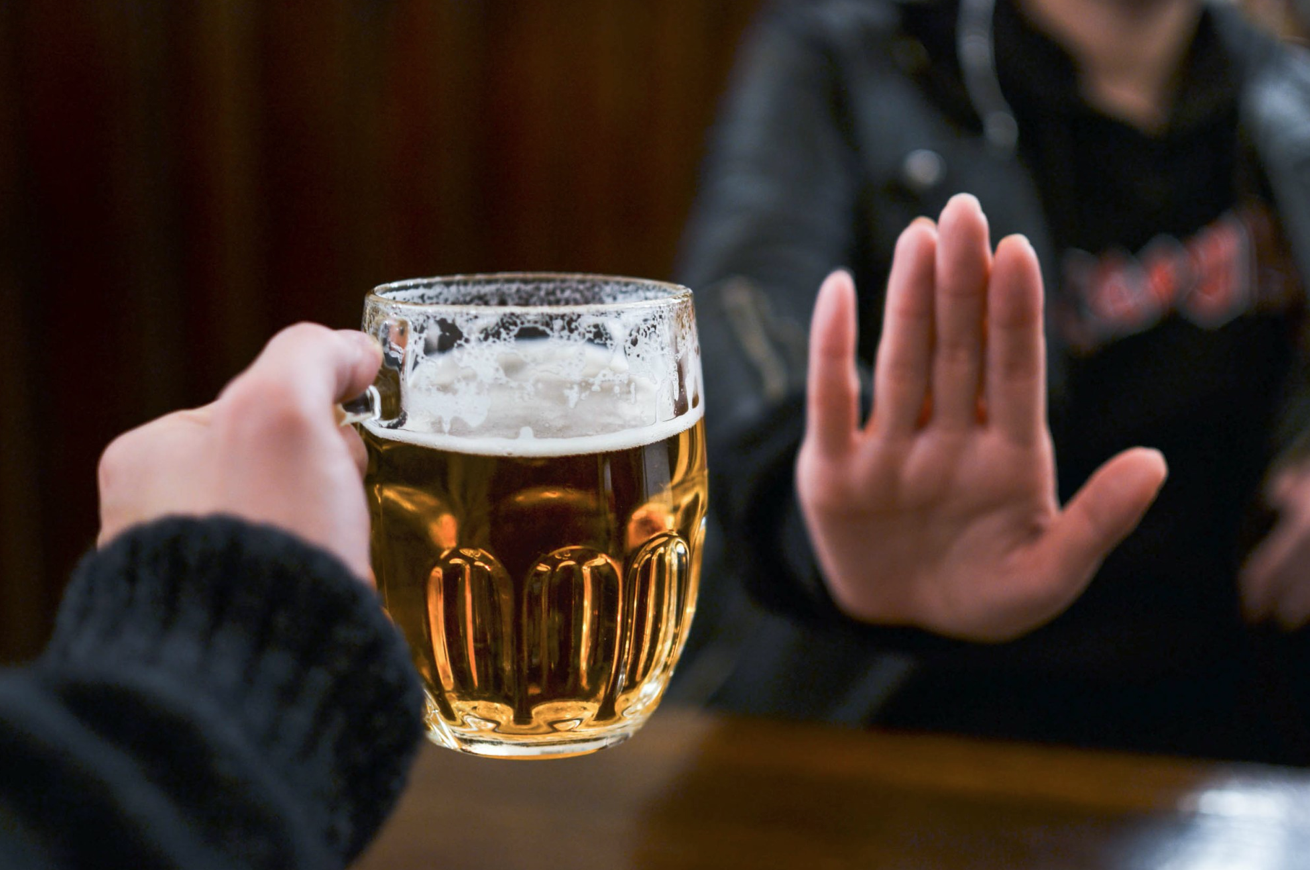

Furthermore, the rise of “functional beverages”—drinks infused with adaptogens, nootropics, or probiotics—has provided a viable alternative to traditional spirits. These products allow consumers to participate in the ritual of drinking without the health impacts of alcohol. The industry’s response has been swift: major beverage manufacturers are now investing heavily in non-alcoholic beer, wine, and spirits, recognizing that the demand for “sober-friendly” spaces is no longer a niche market but a broad-based consumer demand. This movement is supported by findings from the National Institute on Alcohol Abuse and Alcoholism, which notes that shifts in social norms regarding drinking can lead to sustained, long-term changes in public health outcomes.
What This Means for the Beverage Industry in Puerto Rico
In Puerto Rico, the impact of this generational shift is becoming visible in the hospitality sector. Industry trade shows and regional forums have begun to highlight that younger consumers are the primary force behind the decline in traditional alcohol sales. For bar and restaurant owners, this presents a unique challenge: they must adapt their menus to include sophisticated, high-margin non-alcoholic options, or risk losing a significant portion of their potential customer base. The focus is shifting from “volume of consumption” to “quality of experience,” where the atmosphere and the variety of offerings matter more than the alcohol content of the drinks served.
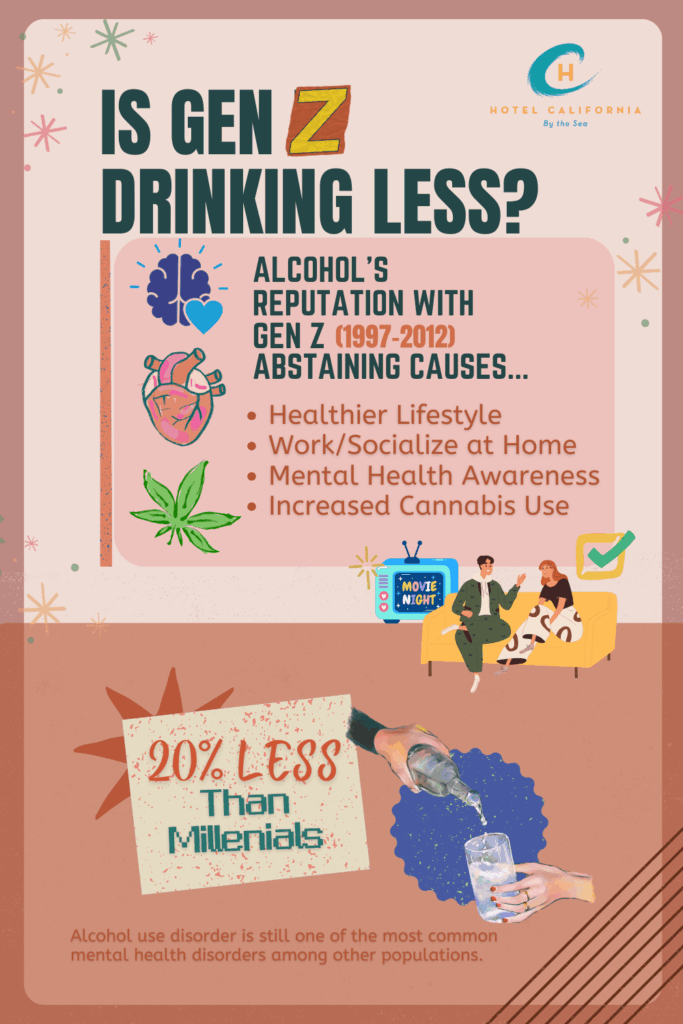
This trend is also influenced by the digital era, where social media plays a role in both the promotion and the de-stigmatization of sobriety. As Gen Z navigates a world where their social lives are documented online, the “sober-curious” lifestyle is often portrayed as a badge of discipline and self-care. This digital visibility has accelerated the normalization of non-alcoholic drinking, making it easier for young adults to opt out of alcohol without facing the social friction that might have occurred in previous generations. The Centers for Disease Control and Prevention continues to monitor these patterns as part of its broader efforts to track substance use trends among youth and young adults.
Future Outlook and Market Adaptation
Looking ahead, the beverage industry is expected to continue its diversification. The success of alcohol-free cocktails—often called “mocktails”—is no longer limited to high-end establishments. Major grocery retailers and convenience stores are dedicating more shelf space to non-alcoholic craft beverages, signaling that this is a permanent shift rather than a temporary fad. For stakeholders in the hospitality industry, the path forward involves rigorous market research to understand the specific flavor profiles and functional ingredients that resonate with younger, health-focused demographics.
As the market continues to evolve, the distinction between “drinking” and “socializing” will likely become even more pronounced. Businesses that successfully integrate these changes by offering inclusive, high-quality, alcohol-free experiences are positioned to capture a larger share of the emerging market. The next major industry report on consumer spending habits, expected to be released by regional economic councils in late 2025, will likely provide further clarity on the long-term sustainability of this trend. We encourage our readers to participate in the conversation by sharing their observations on how local venues are adapting to these changing preferences in the comments section below.
Keep reading