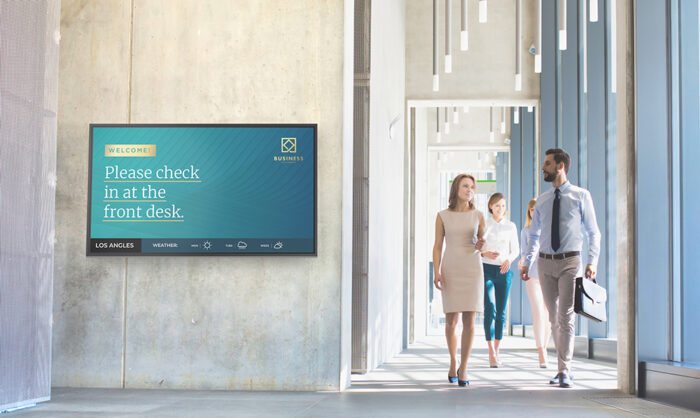
Hospitality digital signage advantages often go overlooked by venue operators who treat displays as simple menu boards, despite data suggesting that strategic visual communication significantly boosts guest engagement and service utilization. By moving beyond static imagery and integrating dynamic, personalized messaging, hotels, resorts, and restaurants can create more responsive visitor environments. Industry analysis indicates that high-impact visual systems are no longer just aesthetic upgrades; they function as essential operational tools for real-time information flow and brand storytelling.
When venues transition from traditional signage to sophisticated digital displays, they gain the ability to adjust messaging instantly based on time of day, occupancy, or specific guest demographics. This agility allows businesses to redirect foot traffic to underutilized amenities or promote high-margin services during peak hours. According to research from the Digital Signage Federation, the transition toward data-driven content management is a primary factor in maintaining competitive relevance in modern hospitality markets.
The Evolution of Guest Engagement Through Dynamic Content
The primary advantage of modern digital signage lies in its capacity to capture and hold guest attention through high-impact visuals. Unlike static printed posters, which often suffer from “message blindness” as guests become accustomed to their presence, digital displays use motion, color, and shifting layouts to maintain curiosity. Research highlighted by the Audiovisual and Integrated Experience Association (AVIXA) demonstrates that dynamic content can increase viewer retention rates by as much as 40% compared to static counterparts, as motion naturally triggers an orienting response in the human brain.
Beyond basic visibility, personalization serves as a critical component in enhancing the guest experience. By integrating signage with property management systems (PMS), venues can display welcome messages, event schedules, or targeted service offers that feel bespoke to the individual guest. This level of interaction, often referred to as “context-aware” signage, fosters a sense of being valued. Industry reports suggest that when guests encounter messaging that reflects their current status—such as a specific conference schedule or localized dining recommendations—engagement metrics see a measurable uptick, often cited in the range of 15% to 25% across various hospitality sectors, depending on the implementation strategy.
Operational Efficiency and Real-Time Communication
Digital signage simplifies communication by allowing management to update information across an entire property from a single, centralized dashboard. This is particularly effective for managing rapid changes in hospitality, such as emergency alerts, last-minute conference room shifts, or real-time availability for spa and dining services. The National Retail Federation notes that the ability to synchronize messaging across multiple touchpoints reduces staff administrative burden, as employees spend less time answering repetitive questions about facility hours or wayfinding.
The integration of wayfinding technology into digital signage networks also plays a role in operational flow. In large-scale properties, such as convention centers or expansive resorts, digital directories help mitigate congestion by providing clear, interactive paths to high-traffic areas. This reduces the friction guests experience when navigating complex environments, contributing to a higher overall satisfaction score. When businesses utilize these systems to display live wait times or occupancy levels, they effectively manage guest expectations, which is a key metric in modern service quality assessments.
Strategic Implementation for Maximum ROI
Maximizing the return on investment for digital signage requires moving away from the “set it and forget it” mentality. Successful venues treat their signage network as a living extension of their service team. This involves auditing content regularly to ensure that it aligns with current marketing goals and seasonal trends. The International Hotel & Restaurant Association recommends that operators focus on three core pillars: content relevance, strategic placement, and performance measurement. By analyzing which displays generate the most engagement, operators can refine their strategy to focus on the content types that resonate most with their specific audience.
Sustainability and energy efficiency have also become significant factors in the adoption of new signage technology. Modern LED and OLED displays are increasingly designed with energy-saving modes that reduce consumption during off-peak hours. As hospitality brands face pressure to meet corporate social responsibility goals, the shift toward energy-efficient hardware has become a standard requirement in procurement processes. Business leaders are encouraged to consult current Energy Star standards to ensure that their digital signage infrastructure aligns with broader environmental and cost-saving objectives.
Future Trends and Next Steps
The hospitality sector is currently moving toward even greater integration with mobile devices, where signage acts as a bridge between the physical environment and the guest’s personal smartphone. Beacon technology and QR code integration now allow guests to scan digital signs to download menus, book services, or receive digital coupons directly to their phones. This “phygital” (physical plus digital) approach is projected to be a primary area of focus for hospitality technology investments through the 2025 fiscal year.
For operators looking to optimize their current systems, the next step is to conduct a thorough audit of existing displays to assess their interactivity and content freshness. Businesses are encouraged to reach out to their AV integration partners to discuss firmware updates and cloud-based content management system (CMS) upgrades that may offer improved analytics and remote management capabilities. As the industry continues to prioritize guest experience through technology, the role of digital signage as a primary communication channel will likely expand. Readers are encouraged to share their experiences with digital signage implementation in the comments below, or reach out to our editorial team with specific questions regarding industry-standard hardware and software solutions.
Related reading