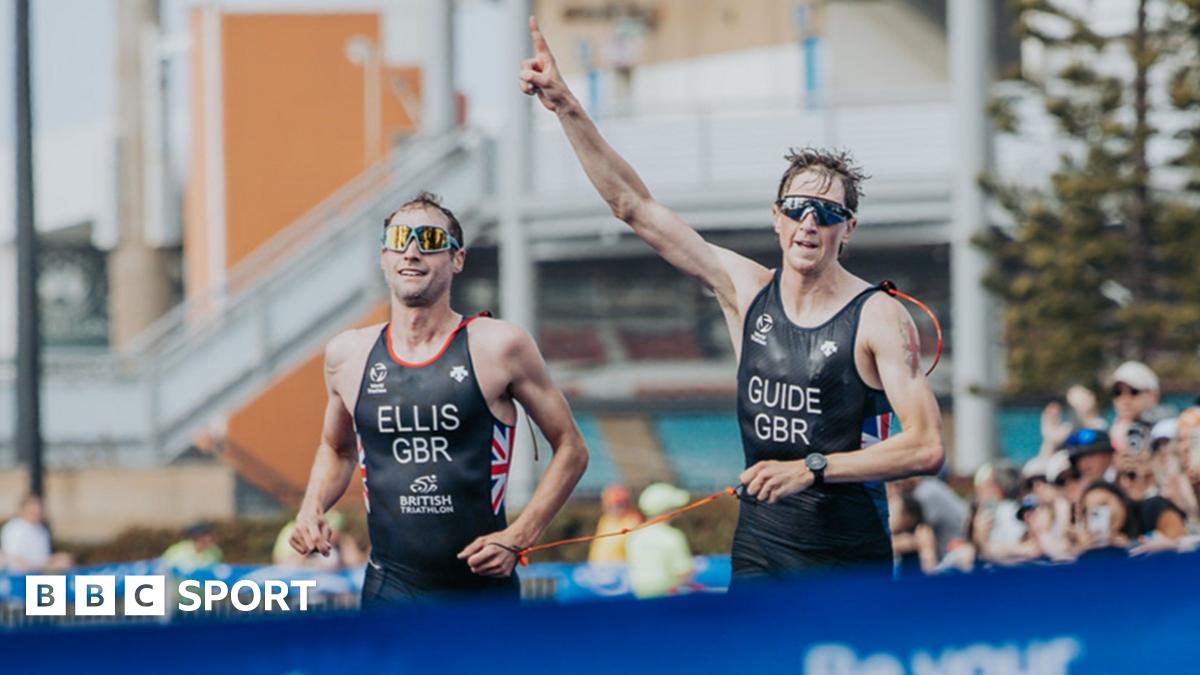
Dave Ellis Secures Historic Eighth Para-Triathlon World Title: A Deep Dive into the Wollongong Championships
The world of para-triathlon witnessed history unfold in Wollongong, New South wales, Australia, as Dave Ellis clinched his eighth World Para-Triathlon title. This remarkable achievement underscores not only Ellis’s individual prowess but also the growing strength and visibility of adaptive sports. But what makes this victory so significant,and what does it mean for the future of para-triathlon competition? Let’s explore the details of this inspiring event,alongside insights into the broader landscape of this dynamic sport.
A Dominating Performance in the PTVI Category
Dave Ellis, a 39-year-old englishman, once again proved his dominance in the PTVI (Paralympic Triathlon Visually Impaired) category. Guided by Luke Pollard, Ellis navigated a challenging course, showcasing exceptional skill and teamwork.He wasn’t just participating; he was commanding the race.
His performance wasn’t a simple win; it was a strategic masterclass. After a solid swim, Ellis and Pollard surged through the field with the fastest bike leg, setting the stage for a decisive run. Ultimately,he crossed the finish line in 59 minutes and 19 seconds,a full 20 seconds ahead of France’s Antoine Perel.
| Athlete | Nationality | Category | Time |
|---|---|---|---|
| Dave Ellis | Great Britain | PTVI | 59:19 |
| Antoine perel | France | PTVI | 59:39 |
| Henry Urand | Great Britain | PTS3 | (Time not publicly available) |
| Lauren Steadman | Great Britain | PTS5 | Bronze Medal |
Did you know? Dave Ellis first competed in the Paralympics in 2008,initially as a swimmer before transitioning to triathlon.
Beyond Ellis: British Success at the Championships
Ellis’s victory wasn’t the sole highlight for Great Britain.Henry Urand successfully defended his world title in the men’s PTS3 category, securing a 1-2 finish for the British team with Ryan Taylor taking silver. Lauren Steadman added to the medal haul, claiming a well-deserved bronze in the women’s PTS5 race. These results demonstrate the strength of British para-triathlon programs and the dedication of its athletes.
these successes are a testament to the investment in adaptive sports and the unwavering commitment of athletes like Ellis, Urand, and Steadman. But what factors contribute to such consistent performance at the international level?
The Rise of Para-Triathlon: Accessibility, Training, and Future Growth
Para-triathlon, encompassing various classifications based on physical impairments, has experienced significant growth in recent years. The inclusion of para-triathlon in the Paralympic Games in 2016 was a pivotal moment, dramatically increasing its profile and attracting more athletes.
Secondary Keywords: adaptive triathlon, visually impaired triathlon, para-athlete training, triathlon for disabled athletes, PTVI classification.
The sport’s accessibility is continually improving.Organizations like World Triathlon are actively working to expand opportunities for participation, from grassroots programs to elite-level competition. Recent data from world Triathlon shows a 15% increase in registered para-triathletes globally in the last year (World Triathlon Annual Report, 2023). This growth is fueled by increased awareness, improved equipment, and dedicated coaching.
Pro Tip: If you’re interested in getting involved in para-triathlon,start by contacting