Ancient Roman Funerary Rituals Revealed in French Archaeological Dig
Recent archaeological discoveries in Olbia,France,are shedding new light on the captivating and complex funerary practices of the ancient Romans. These findings highlight the deeply personal ways families honored their deceased loved ones,extending beyond simple burial to include ongoing remembrance and symbolic connection.
Libation Tubes: A Continuing Connection to the Departed
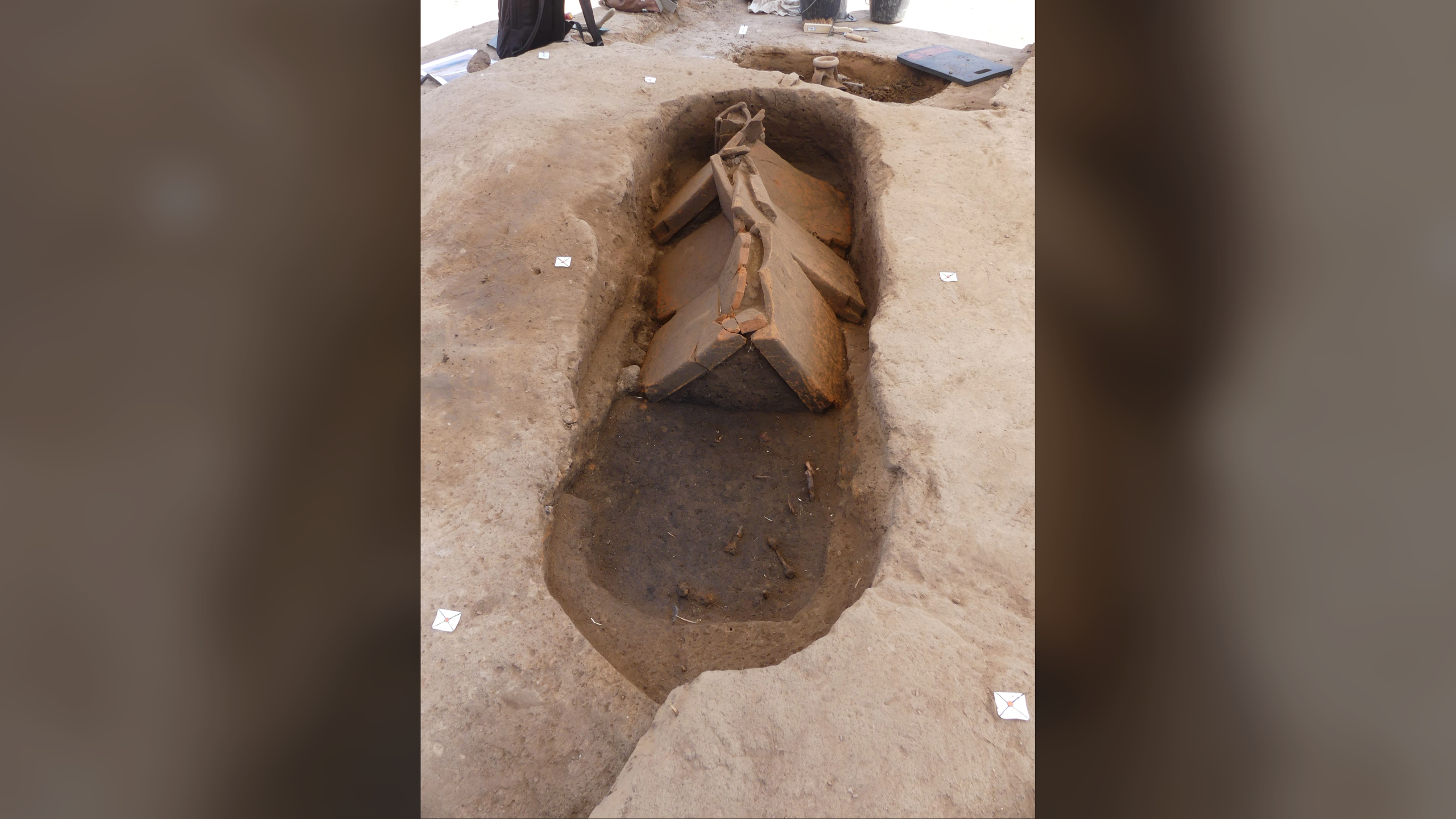
Archaeologists unearthed unique “libation tubes” – repurposed amphorae – extending from Roman-era graves. These weren’t sealed off after burial; instead, they provided a direct pathway for families to interact with the remains of their ancestors. You can imagine families using these tubes to symbolically offer food and drink to the deceased during important Roman feast days dedicated to remembrance.
Specifically, these rituals likely occurred during the Feralia (February 21st) and the Lemuralia (May 9th, 11th, and 13th). These festivals were specifically designed to honor and appease the spirits of the dead.
Variations in Burial Practices at Olbia
The burial sites at Olbia demonstrate a fascinating range of customs. Some cremation pyres were directly converted into burial locations,while others were partially or completely emptied before interment.
Interestingly, the typical Roman practice involved collecting cremated remains in urns crafted from glass, ceramic, or stone. However, at Olbia, many bones were simply piled into small heaps or placed within perishable containers. This variation suggests potential social or cultural differences within the city’s population.
A Glimpse into Roman Beliefs
These discoveries underscore the richness and diversity of ancient funerary rites. They were far from standardized, imbued with layers of meaning that continue to intrigue researchers today.
Archaeologists emphasize that these rituals weren’t merely about disposal of the dead.They were about maintaining a connection,offering respect,and ensuring the continued well-being of those who had passed on.
Ultimately, these findings remind us that even across millennia, the human need to grieve, remember, and honor our loved ones remains a powerful and universal experience.The mysteries surrounding these ancient practices continue to inspire further examination and a deeper understanding of Roman life and belief.