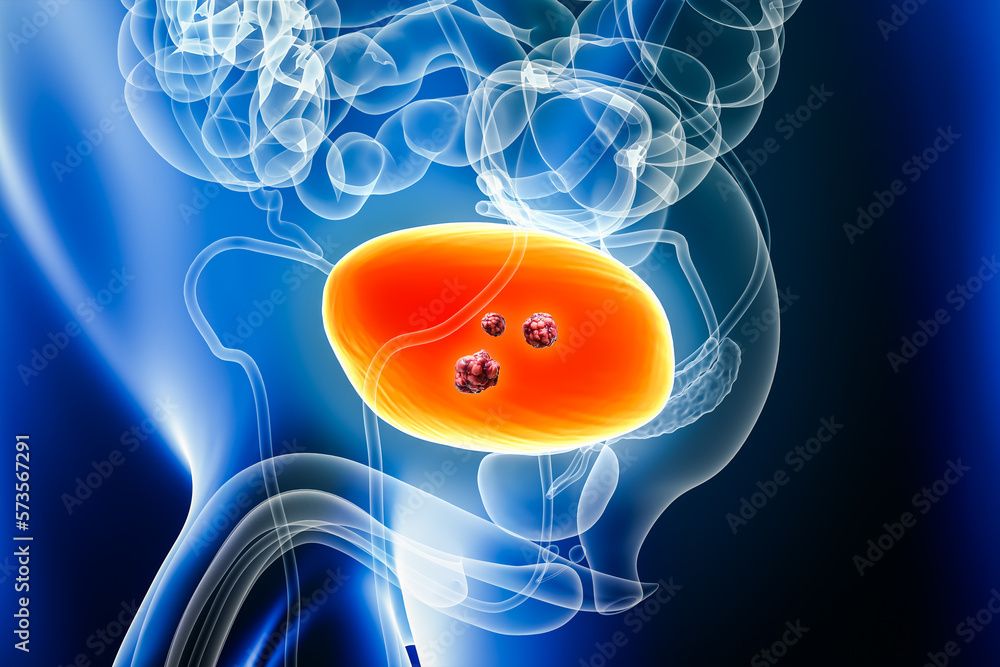
muscle-invasive bladder cancer (MIBC) presents a significant health challenge,but advancements in treatment are offering new hope. Understanding your diagnosis adn available options is crucial for navigating this journey. Let’s explore what you need to know.
What is Muscle-Invasive Bladder Cancer?
Typically, bladder cancer begins in the cells lining the bladder. When the cancer grows through these layers and into the muscular wall of the bladder,it’s classified as muscle-invasive. This type is more aggressive than non-muscle-invasive bladder cancer and has a higher risk of spreading.
Conventional treatment Approaches
For many years, the standard approach to MIBC involved a combination of treatments. Initially, most patients underwent chemotherapy, often including cisplatin, to shrink the tumor.Following chemotherapy, the typical next step was radical cystectomy – surgical removal of the entire bladder.
However, cisplatin isn’t suitable for everyone. Factors like kidney function or overall health can make it unsafe. This left a gap in effective treatment options for a substantial number of patients.
A Promising New Combination: Padcev and Keytruda
Recently, a combination therapy of Padcev (enfortumab vedotin-ejfv) and Keytruda (pembrolizumab) has emerged as a game-changer. Clinical trials have demonstrated significant improvements in survival rates, nonetheless of whether you are eligible for cisplatin-based chemotherapy.
Here’s what makes this combination so impactful:
* Padcev is an antibody-drug conjugate that targets a protein found on bladder cancer cells, delivering chemotherapy directly to the tumor.
* Keytruda is an immunotherapy drug that helps your immune system recognize and attack cancer cells.
Together, these medications work synergistically to combat the cancer on multiple fronts. I’ve found that this combination offers a powerful alternative, especially for those who couldn’t previously tolerate cisplatin.
Who Benefits from This Treatment?
The exciting news is that this combination therapy shows benefits for all patients with MIBC. Whether your a good candidate for cisplatin or not, Padcev plus Keytruda can substantially improve your chances of survival. This is a major step forward in personalized cancer care.
What to Expect During Treatment
Like all cancer treatments, Padcev and Keytruda can cause side effects. Common side effects include fatigue, skin reactions, and changes in blood counts. Your healthcare team will closely monitor you and manage any side effects that arise. Open communication with your doctor is key throughout the process.
Looking Ahead
Research in bladder cancer is constantly evolving. New treatments and strategies are continually being investigated.If you’ve been diagnosed with muscle-invasive bladder cancer, remember you’re not alone.
Here’s what works best for navigating your care:
* Seek expert opinions. Consult with a multidisciplinary team of urologists,medical oncologists,and radiation oncologists.
* Ask questions. Don’t hesitate to ask your doctor about all your treatment options and potential side effects.
* Stay informed. Understanding your condition and treatment plan empowers you to make informed decisions.
Keep reading