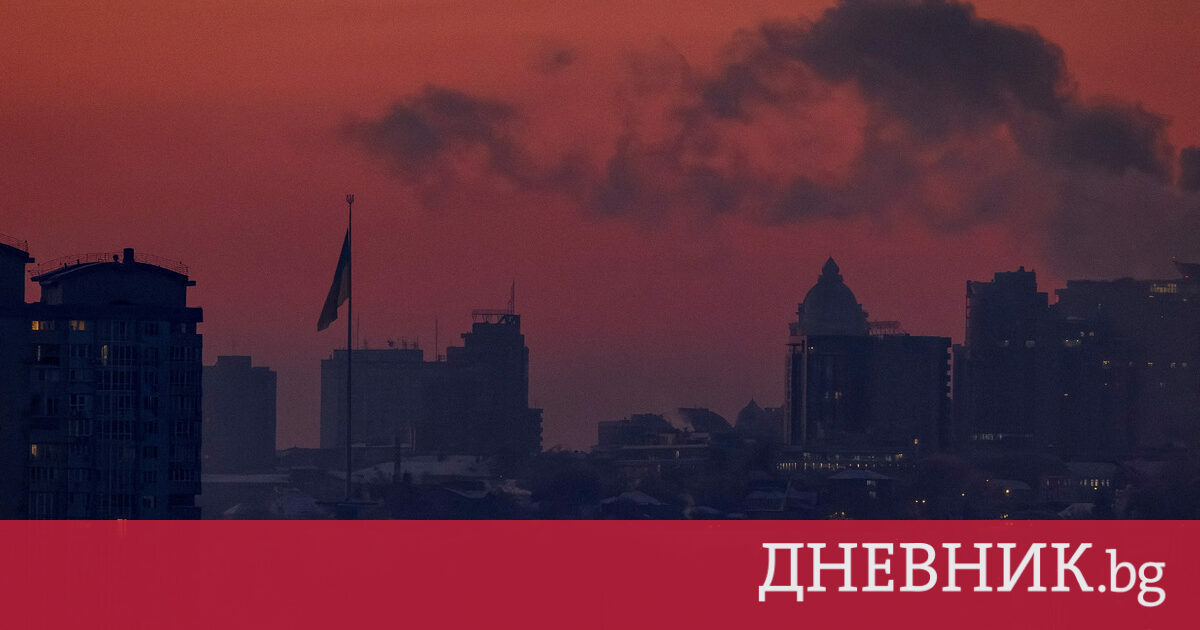
Ukraine Enters Fifth Year of Conflict Amidst EU Support and Internal Divisions
As Ukraine braces for a fifth year under the shadow of full-scale war, international support remains a critical lifeline. However, recent developments within the European Union reveal growing complexities in maintaining a unified front against Russian aggression. While the EU continues to pledge substantial financial and military aid, internal disagreements over further sanctions and long-term financial commitments are beginning to surface, potentially hindering the bloc’s ability to effectively respond to the ongoing crisis. The situation is further complicated by concerns over security within the Schengen Area, prompting discussions about restricting access for individuals with potential ties to the conflict.
The European Union is currently poised to deliver its largest package of support for Ukraine to date, totaling 25 billion euros for the current year alone. This commitment, announced by High Representative of the European Union for Foreign Affairs and Security Policy, Kaja Kallas, underscores the EU’s dedication to bolstering Ukraine’s defense capabilities and economic stability. Since the beginning of the full-scale invasion in 2022, the EU has provided nearly 169 billion euros in financial support, including over 63 billion euros in military assistance, according to Kallas’s statement to the European Parliament on September 9, 2025. The goal of providing 2 million rounds of ammunition annually is reportedly 80 percent complete, with full fulfillment expected by October.
EU Faces Internal Challenges to Maintaining Unity
Despite the overall commitment to Ukraine, cracks are appearing in the EU’s unified stance. Recent roadblocks in approving a latest package of sanctions against Russia and a proposed 90 billion euro loan to Kyiv have exposed deep divisions among member states. Hungary has emerged as a key obstacle, reportedly blocking both measures due to concerns over the transit of Russian oil through Ukraine. This stance represents a departure from Hungary’s previous pattern of compromise, raising questions about its long-term commitment to supporting Ukraine. According to reports, Prime Minister Viktor Orbán has historically yielded to pressure after receiving concessions, but has not reversed a decision once made.
Slovakia has also joined Hungary in expressing reservations, with Prime Minister Robert Fico initially requesting a halt to electricity exports to Ukraine and subsequently indicating that Russian oil deliveries would resume on February 25th. This alignment with Hungary is linked to the fact that both countries have energy interests tied to the Russian oil supply, with Slovakia’s refinery and gas station network being owned by the Hungarian company MOL.
Security Concerns and Potential Travel Restrictions
Alongside financial and political challenges, the EU is also grappling with security concerns related to the potential influx of individuals with ties to the conflict. Kaja Kallas has announced that the European Commission is working on a visa regime designed to prevent “hundreds of thousands of former Russian soldiers” from entering the Schengen Area. The rationale behind this initiative, as stated by Kallas, is to prevent “criminals and saboteurs” from operating within EU member states. This move reflects a growing anxiety about the potential for infiltration and destabilization, particularly as the conflict in Ukraine continues to escalate.
The proposed visa restrictions raise complex legal and logistical questions. Determining who qualifies as a “former Russian soldier” and establishing a reliable vetting process will be significant hurdles. The measure could face criticism from human rights organizations concerned about collective punishment and the potential for discrimination. The EU will need to balance security concerns with its commitment to upholding fundamental rights and international law.
EU Reduces Russian Diplomatic Presence
In a related development, the European Union has reduced the size of the Russian mission in Brussels, limiting it to a maximum of 40 personnel. This decision, also announced by Kaja Kallas, is framed as a response to what the EU considers “abuse of diplomatic privileges.” The Russian mission, however, has attributed the move to the EU’s inability to agree on the 20th package of sanctions against Russia and the aforementioned loan for Ukraine, claiming it is an attempt to impede diplomatic contacts amidst ongoing peace negotiations.
This reduction in diplomatic presence signals a further deterioration in relations between the EU and Russia. It reflects the EU’s growing frustration with Russia’s actions in Ukraine and its determination to hold Moscow accountable for its aggression. However, some analysts caution that reducing diplomatic channels could further complicate efforts to find a peaceful resolution to the conflict.
The Broader Context: Ukraine’s Resilience and the Need for Sustained Support
As Ukraine enters its fifth year of conflict, the country’s resilience remains remarkable. Despite facing immense challenges, Ukrainian forces have managed to hold the line against Russian advances, thanks in large part to the unwavering support of its international partners. However, the war has taken a devastating toll on Ukraine’s economy, infrastructure, and population. Millions of Ukrainians have been displaced from their homes, and the country faces a long and arduous path to recovery.
Sustained international support is crucial for Ukraine’s survival and future prosperity. Beyond military and financial aid, Ukraine needs assistance with reconstruction, demining, and the implementation of reforms to strengthen its democratic institutions and rule of law. The EU’s commitment to providing 25 billion euros in aid this year is a significant step in the right direction, but it is only one piece of the puzzle. Continued unity and resolve among EU member states will be essential to ensure that Ukraine receives the support it needs to overcome the challenges ahead.
Kallas emphasized the importance of demonstrating that Ukraine is an integral part of Europe, even without a concrete timeline for EU membership. Speaking at the Munich Security Conference on February 15, 2026, she stated that the priority should be to “act and show that Ukraine is part of Europe.” This sentiment reflects a growing recognition within the EU that Ukraine’s future is inextricably linked to the European project.
Key Takeaways
- The EU is providing Ukraine with a record 25 billion euros in support for 2026, alongside nearly 169 billion euros since 2022.
- Internal divisions within the EU, particularly concerning Hungary and Slovakia, are hindering the approval of new sanctions and financial aid packages for Ukraine.
- The EU is considering visa restrictions to prevent potential security threats from individuals with ties to the Russian military.
- The size of the Russian mission in Brussels has been reduced in response to perceived abuses of diplomatic privileges.
- Sustained international support remains critical for Ukraine’s survival and long-term recovery.
Looking ahead, the EU will need to navigate these internal challenges while continuing to provide unwavering support to Ukraine. The next key developments to watch include the outcome of negotiations on the new sanctions package, the resolution of the dispute over the 90 billion euro loan, and the implementation of the proposed visa restrictions. The situation remains fluid and unpredictable, but the EU’s commitment to Ukraine’s sovereignty and territorial integrity will be a defining factor in shaping the future of the conflict.
What are your thoughts on the EU’s approach to the conflict in Ukraine? Share your comments below and join the conversation.
Related reading