Venezuela Bolsters Citizen Security with Expansion of ‘Cuadrantes de Paz’ Program
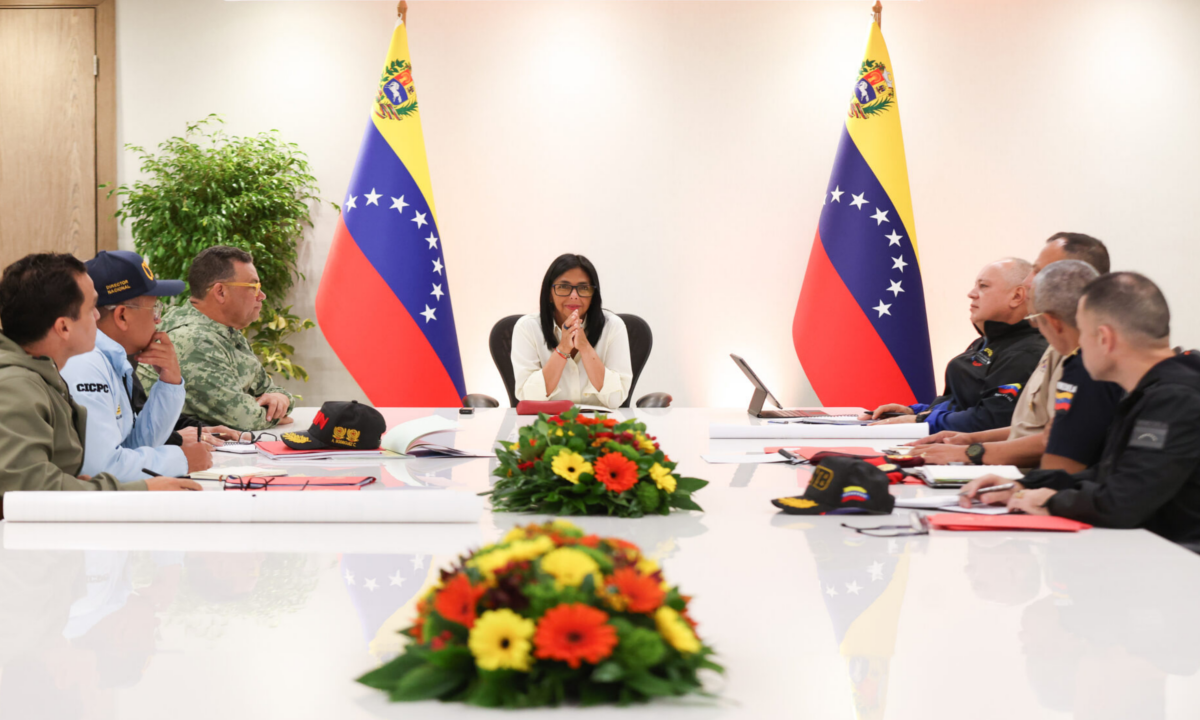
Caracas – Venezuelan authorities are accelerating the rollout of the ‘Cuadrantes de Paz’ (Peace Quadrants) citizen security program, aiming to reach six thousand operational units nationwide. The initiative, spearheaded by Presidenta (e) Delcy Rodríguez, seeks to enhance public safety through localized policing and community engagement. A recent high-level meeting convened by Rodríguez with security officials focused on evaluating progress, addressing challenges, and expanding the program’s reach, particularly through the integration of advanced surveillance technologies. This push for increased security comes as the government seeks to build on recent gains in reducing violent crime rates, though independent verification of these figures remains limited.
The ‘Cuadrantes de Paz’ program divides Venezuelan municipalities into quadrants, each assigned a dedicated police presence working in coordination with local community councils. This localized approach aims to foster trust between law enforcement and citizens, improve response times, and proactively address security concerns. According to officials, over three thousand quadrants are currently operational, representing 57% coverage across the country, with a strong emphasis on collaboration with ‘Circuitos Comunales’ – local communal circuits. The government views this community-based approach as crucial to the program’s success and long-term sustainability. The expansion to six thousand quadrants represents a significant investment in both personnel and resources.
Legislative Support and Technological Upgrades
The renewed focus on citizen security is underpinned by recent legislative changes. Delcy Rodríguez recently promulgated a reform of the Law of the Statute of the Function of the Police of Investigation, a move intended to modernize law enforcement practices and strengthen the legal framework for the ‘Cuadrantes de Paz’ program. According to reports, the reform was enacted during an event in Bolívar state focused on adapting the Peace Quadrants to local needs. This legislative update signals a commitment to improving the operational capacity and accountability of Venezuelan police forces.
Beyond legislative measures, the government is also investing in technological upgrades to bolster security efforts. A key focus of the recent meeting led by Rodríguez was the implementation of comprehensive videovigilance systems across all states in Venezuela. This initiative aims to provide enhanced surveillance capabilities, deter criminal activity, and improve the ability to respond to incidents effectively. The deployment of these systems is intended to complement the function of the ‘Cuadrantes de Paz’ by providing an additional layer of security and situational awareness. The scale and specifics of this videovigilance network have not been fully detailed.
Collaboration and Leadership
The high-level meeting convened by Rodríguez included the participation of Diosdado Cabello, the Vice President for Policy, Citizen Security, and Peace, and Minister of Popular Power for Interior Relations, Justice and Peace, as well as chiefs of various police forces throughout the country. This demonstrates a unified front in addressing security challenges and underscores the importance of inter-agency cooperation. The presence of key security leaders signals a coordinated effort to implement the ‘Cuadrantes de Paz’ program effectively and ensure its alignment with national security objectives.
The government’s emphasis on citizen security aligns with broader regional trends, as many Latin American countries grapple with high rates of violent crime. Venezuela has, in recent years, experienced significant security challenges, including high levels of homicide and organized crime. Whereas the government claims to have made progress in reducing crime rates, independent verification of these statistics is difficult to obtain. According to the source material, officials state that Venezuela currently registers one of the lowest homicide rates in the region, with three cases per 100,000 inhabitants, yet, this figure has not been independently corroborated by international organizations like the UN Office on Drugs and Crime (UNODC). Diario Republica reports that the government attributes this improvement to the ‘Cuadrantes de Paz’ program.
Challenges and Future Outlook
Despite the government’s efforts, the ‘Cuadrantes de Paz’ program faces several challenges. Maintaining consistent funding, ensuring adequate training for police personnel, and fostering genuine community trust are crucial for its long-term success. Concerns have also been raised regarding the potential for the program to be used for political purposes or to suppress dissent. Transparency and accountability will be essential to address these concerns and ensure that the program operates in a manner that respects human rights and the rule of law.
The expansion of the ‘Cuadrantes de Paz’ program to six thousand units represents a significant undertaking. Achieving this goal will require sustained investment, effective coordination, and a commitment to addressing the underlying social and economic factors that contribute to crime. The success of the program will ultimately depend on its ability to build strong relationships between law enforcement and communities, and to deliver tangible improvements in public safety. The integration of new technologies, such as videovigilance systems, could play a key role in enhancing the program’s effectiveness, but careful consideration must be given to privacy concerns and the potential for misuse.
The government’s commitment to strengthening the legal framework for law enforcement, as evidenced by the recent reform of the Law of the Statute of the Function of the Police of Investigation, is a positive step. However, it is crucial that these legal changes are implemented in a manner that upholds due process and protects the rights of citizens. The ongoing collaboration between national and local authorities, as demonstrated by the recent meeting led by Delcy Rodríguez and Diosdado Cabello, is also essential for ensuring the program’s success.
Looking ahead, the Venezuelan government is expected to continue prioritizing citizen security as a key policy objective. The expansion of the ‘Cuadrantes de Paz’ program is likely to be a central component of this strategy. Further developments are expected in the implementation of the videovigilance systems and the integration of community-based policing initiatives. The next key checkpoint will be the ongoing evaluation of the program’s impact and the assessment of its effectiveness in reducing crime rates and improving public safety. The government has not yet announced a specific timeline for the completion of the expansion to six thousand quadrants, but officials have indicated that it is a high priority.
Key Takeaways:
- Venezuela is expanding its ‘Cuadrantes de Paz’ citizen security program to six thousand units nationwide.
- The program aims to improve public safety through localized policing and community engagement.
- Recent legislative reforms and investments in technology are supporting the program’s expansion.
- Challenges remain in ensuring consistent funding, fostering community trust, and addressing potential concerns about transparency and accountability.
The success of the ‘Cuadrantes de Paz’ program will be a critical factor in shaping the future of citizen security in Venezuela. As the program evolves, it will be important to monitor its impact, address challenges, and ensure that it operates in a manner that respects human rights and the rule of law. We encourage readers to share their thoughts and experiences with the ‘Cuadrantes de Paz’ program in the comments below.