Pakistan’s Weekly Inflation Rises, Driven by Food and Fuel Costs
Islamabad – Pakistan’s cost of living edged higher this week, with the Sensitive Price Indicator (SPI) recording a 0.37 percent increase for the week ending March 5, 2026. The rise, as measured by the Pakistan Bureau of Statistics (PBS), was largely fueled by increases in the prices of essential food items like chicken and a surge in energy costs, including liquefied petroleum gas (LPG), petrol, and diesel. This weekly fluctuation in prices continues to be a key indicator of economic pressures faced by households across the country, particularly those with lower incomes.
The SPI, a crucial metric for monitoring inflation in Pakistan, is calculated weekly to track price movements of 51 essential commodities across 17 urban centers. The current SPI stands at 335.09 points, up from 333.86 points the previous week, according to the PBS data released Friday. The PBS compiles this data to provide a timely assessment of the economic situation and inform policy decisions.
While overall inflation remains relatively contained, the volatility in food and fuel prices continues to be a significant concern. The latest figures highlight the sensitivity of Pakistani consumers to fluctuations in these essential goods, particularly as global energy markets remain unpredictable. Understanding these price dynamics is crucial for both policymakers and households navigating the current economic landscape.
Sharpest Increases: Chicken, Fuel Lead the Way
The most significant price increase this week was observed in chicken, with prices rising by a substantial 10.46 percent. This surge in poultry prices contributed significantly to the overall increase in the SPI. Alongside chicken, energy costs also saw a notable uptick. LPG prices increased by 5.61 percent, while petrol and diesel prices rose by 3.06 percent and 1.84 percent, respectively. These increases in fuel costs have a cascading effect, impacting transportation and the prices of other goods and services.
Other food items experiencing price increases included bananas (up 3.85 percent), garlic (up 1.23 percent), beef (up 0.66 percent), mutton (up 0.65 percent), and pulse mash (up 0.51 percent). Even non-food items like mustard oil, gur, and printed lawn fabric saw modest price increases during the week. These broad-based price increases underscore the pervasive inflationary pressures affecting Pakistani consumers.
Vegetable Prices Offer a Modest Counterbalance
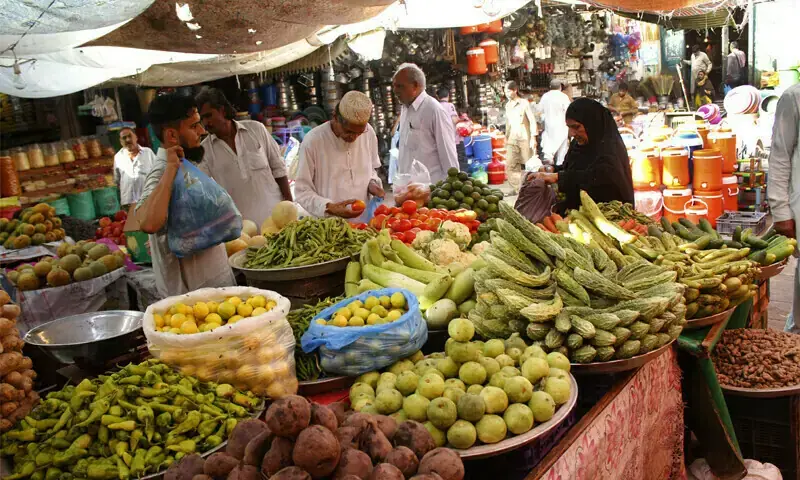
Despite the overall inflationary trend, some relief was observed in the prices of certain vegetables. Tomato prices experienced a significant decline, falling by 10.04 percent week-on-week. This decrease provided a small counterbalance to the rising prices of other essential commodities. Other vegetables also saw price reductions, including eggs (down 8.13 percent), onions (down 6.08 percent), and potatoes (down 5.09 percent). Wheat flour also became slightly more affordable, with prices decreasing by 2.40 percent.
The decline in vegetable prices offers a temporary respite for consumers, but the overall trend remains upward. Prices of pulse gram, pulse moong, and cooking oil also decreased slightly, contributing to a marginal easing of inflationary pressures in certain segments of the market. However, the impact of these declines is limited by the more substantial increases in other essential items.
Annual Inflation: A Broader Perspective
On a year-on-year basis, the SPI rose by 4.70 percent compared to the same week in 2025. This indicates a moderate level of inflation over the longer term. Significant annual increases were recorded in gas charges (up 29.85 percent), wheat flour (up 26.13 percent), electricity charges (up 17.33 percent), LPG (up 16.89 percent), and chilies powder (up 15.20 percent). These increases reflect broader economic trends and government policies impacting the cost of essential goods and services.
However, some food items experienced substantial price declines on an annual basis. Potatoes saw a significant decrease (down 53.76 percent), followed by onions (down 26.10 percent), eggs (down 24.93 percent), garlic (down 22.25 percent), and chicken (down 21.70 percent). These declines suggest that supply-side factors and seasonal variations can play a role in moderating inflation for certain commodities.
Impact Across Income Groups: Disparities in Inflationary Pressure
The weekly increase in inflation did not affect all households equally. The highest expenditure group experienced the largest week-on-week increase, at 0.53 percent, while the lowest income group saw no change during the week. This disparity highlights the uneven impact of inflation on different segments of society. Lower-income households are disproportionately affected by rising prices, as a larger share of their income is spent on essential goods and services.
On a yearly basis, inflation pressures remained stronger for lower-income households. The second-lowest consumption quintile experienced the highest annual increase, at 5.95 percent, while the highest-income group saw a 3.58 percent rise. This widening gap underscores the need for targeted policies to protect vulnerable populations from the adverse effects of inflation. The PBS data suggests that while overall inflation may be relatively contained, food and energy price volatility continues to drive short-term fluctuations, impacting households differently based on their income levels.
Key Takeaways
- Weekly Inflation Up: Pakistan’s SPI increased by 0.37 percent for the week ending March 5, 2026.
- Chicken and Fuel Drive Increases: Rising prices of chicken, LPG, petrol, and diesel were the primary contributors to the weekly inflation.
- Vegetable Prices Offer Relief: Declines in tomato, egg, onion, and potato prices partially offset the overall increase.
- Income Disparities: Lower-income households are experiencing higher annual inflation rates than higher-income households.
Looking ahead, the PBS will continue to monitor price movements and release weekly SPI reports. These reports will be crucial for assessing the effectiveness of government policies aimed at controlling inflation and protecting consumers. The next SPI report is scheduled for release on March 12, 2026, providing an updated assessment of the economic situation.
We encourage readers to share their thoughts and experiences with inflation in the comments below. Your insights are valuable as we continue to report on this key issue.
Related reading