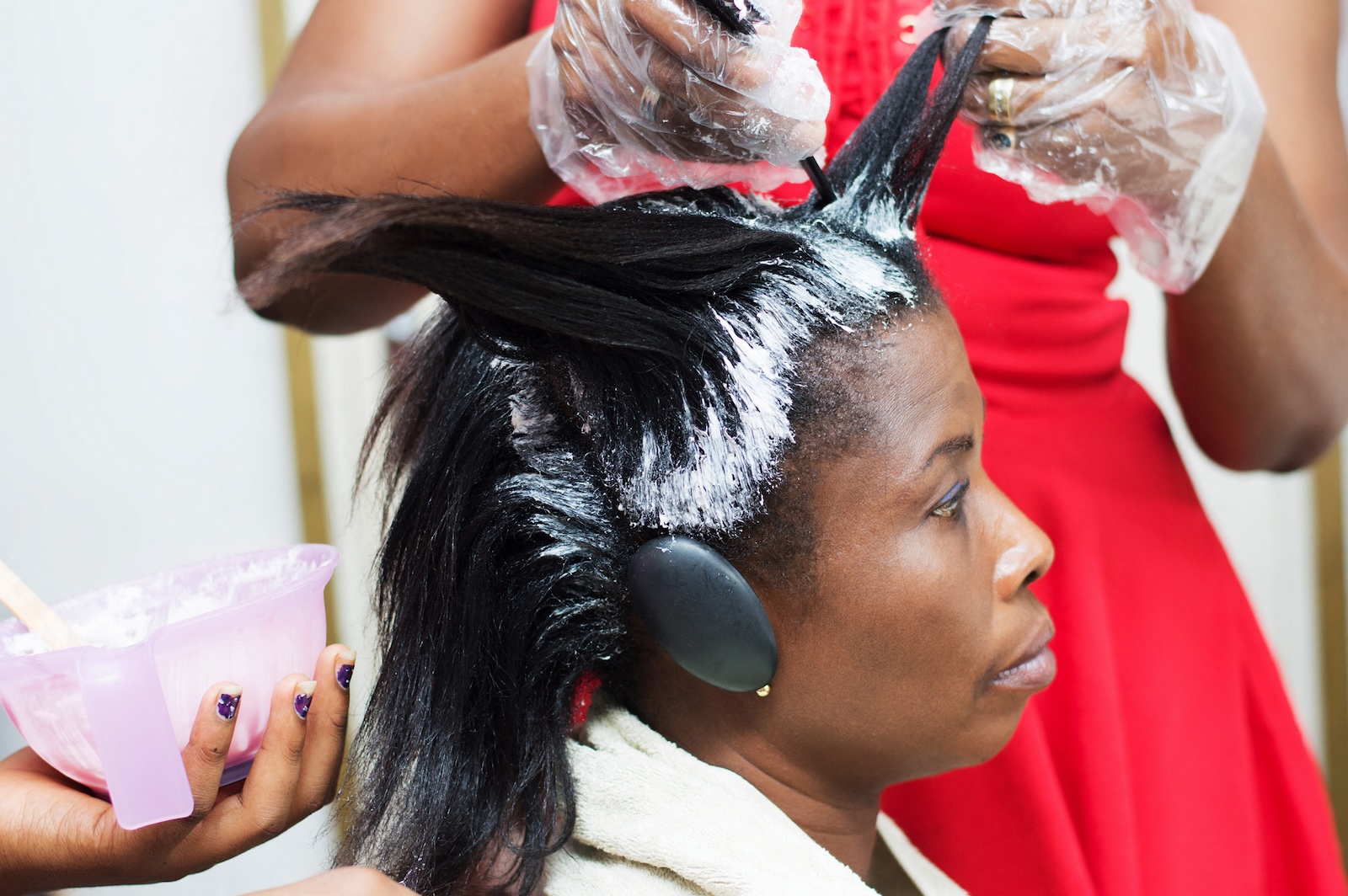
For generations, the Saturday ritual of visiting the hair salon has been a cornerstone of Black women’s culture – a space for community, conversation, and the pursuit of beauty. But beneath the scent of relaxers and the hum of hair dryers lies a growing awareness of a hidden danger: the potential health risks associated with chemicals commonly found in hair products. As mounting evidence links ingredients like formaldehyde to serious health concerns, a movement is building to protect Black women and salon workers from toxic exposure, culminating in legislative efforts to regulate the industry and prioritize public health.
The issue extends beyond personal choice, touching upon systemic inequities and the historical pressures placed on Black women to conform to Eurocentric beauty standards. For decades, products marketed towards this demographic have often lacked rigorous testing and oversight, leaving communities disproportionately exposed to potentially harmful substances. This disparity is now fueling calls for greater accountability from both the beauty industry and regulatory bodies like the Food and Drug Administration (FDA).
The Hidden Dangers in the Salon Chair
Formaldehyde, a known carcinogen, is a primary concern. It’s frequently found in hair straightening products, particularly those designed to chemically relax or straighten textured hair. Exposure to formaldehyde can cause a range of immediate health effects, including burning in the eyes, nose, and throat, coughing, wheezing, and nausea. Long-term exposure has been linked to certain types of cancer, raising serious alarms among health advocates and consumers. The National Cancer Institute confirms formaldehyde as a known human carcinogen, noting its association with nasopharyngeal cancer and leukemia.
Though, the presence of formaldehyde isn’t the only issue. Other potentially harmful chemicals, including phthalates and parabens, are also commonly found in hair products. These endocrine disruptors can interfere with hormone function and have been linked to reproductive and developmental problems. The lack of comprehensive research on the long-term effects of these chemicals on Black women’s health is a critical gap that needs to be addressed.
A History of Disproportionate Exposure
The concerns surrounding toxic chemicals in hair products are deeply rooted in the historical context of beauty standards and discrimination. For Black women, hair has often been a site of political and social struggle. Pressure to conform to Eurocentric ideals has led to the widespread use of chemical treatments designed to alter natural hair texture. This pursuit of “professionalism” and acceptance has inadvertently exposed generations to potentially harmful substances.
The CROWN Act (Creating a Respectful and Open World for Natural Hair), which prohibits discrimination based on hair texture and protective styles, represents a significant step towards challenging these discriminatory practices. Enacted in several states and cities, the CROWN Act affirms the right of individuals to wear their hair in its natural form without fear of penalty or prejudice. However, as advocates point out, the CROWN Act addresses discrimination, but it doesn’t shield consumers from the health risks associated with harmful ingredients in hair products.
Legislative Efforts and the Fight for Regulation
Recognizing the urgent need for action, lawmakers are pushing for stricter regulations on the beauty industry. In early March 2026, Congresswoman Shontel Brown (OH-11), alongside Congresswomen Ayanna Pressley (MA-7) and Nydia Velázquez (NY-12), introduced the “Healthy Hair Act.” This legislation aims to establish a federal ban on formaldehyde in hair straightening products, addressing a longstanding regulatory gap that has allowed the continued use of this hazardous chemical. Congresswoman Brown represents Northeast Ohio and serves on the Agriculture and Oversight Committees, as well as the House’s Select Committee focused on competition with the Chinese Communist Party. She is scheduled to host her third annual OH-11 Housing Expo on June 6, 2026, at Tri-C Corporate College East in Warrensville Heights.
The proposed ban comes after years of delays and missed deadlines from the FDA. Despite acknowledging the dangers of formaldehyde over a decade ago, the agency has yet to implement a federal rule prohibiting its use in hair products. The most recent target date for issuing a proposed rule, December 2025, passed without action, leaving public health advocates and salon workers frustrated and concerned. The delay has prompted calls for greater transparency and accountability from the FDA, with advocates urging the agency to prioritize the health and safety of consumers over industry interests.
Protecting Salon Workers: A Public Health Crisis
The impact of toxic chemical exposure is particularly acute for salon workers, who are disproportionately women of color and immigrants. These individuals face daily, occupational exposure to harmful substances, often in poorly ventilated workspaces. This creates a public health crisis that demands immediate attention. Salon workers are often exposed to high levels of formaldehyde and other chemicals through inhalation and skin contact, increasing their risk of developing respiratory problems, skin irritation, and other health issues.
Jayla Burton, MPH, MS, Director of Programs at Weaving Voices for Health & Justice, emphasizes the need for systemic change. Burton leads policy and advocacy initiatives to reduce environmental health disparities and advance equity for marginalized communities, including the organization’s “Stunning Hair Without the Scare” campaign. She argues that Black women should not bear the burden of absorbing the risks of an industry that has failed to adequately research and regulate its own products.
Looking Ahead: Restoring Trust and Protecting Communities
The path forward requires a multi-faceted approach. A comprehensive federal ban on formaldehyde is a crucial first step, but it must be accompanied by increased research into the long-term health effects of other chemicals commonly found in hair products. The FDA must strengthen its oversight of the beauty industry, ensuring that all products are thoroughly tested and labeled with clear and accurate information about potential risks.
Any federal action must also respect the progress made by states that have already taken steps to address formaldehyde exposure. A non-preemptive ban would ensure that states can continue to implement and enforce their own regulations, building upon existing protections. The goal is to create a national standard that prioritizes public health and protects vulnerable communities without undermining state-level efforts.
The fight for healthy hair is not simply about beauty; it’s about dignity, equity, and the right to live without being exposed to preventable harm. It’s about recognizing that the health of Black women and workers is not expendable. As the FDA considers its next steps, it has a decisive opportunity to restore public trust and affirm its commitment to protecting the health of all Americans.
The FDA is expected to announce a timeline for proposed rulemaking regarding formaldehyde in hair products by late Spring 2026. Stay informed about this critical issue and advocate for policies that prioritize public health. Share this article and join the conversation – your voice matters.
- The Alabama Affair and European Diplomacy in the American Civil War
- Nature vs. Development: Czech Constitutional Court Settles Boží Dar Land Dispute
- Extremadura Health Service Expands Early Breast Cancer Screening Program (world-today-news.com)
- Snapchat to Stop Recommending Fully AI-Generated Videos to Fight AI Slop (time.news)