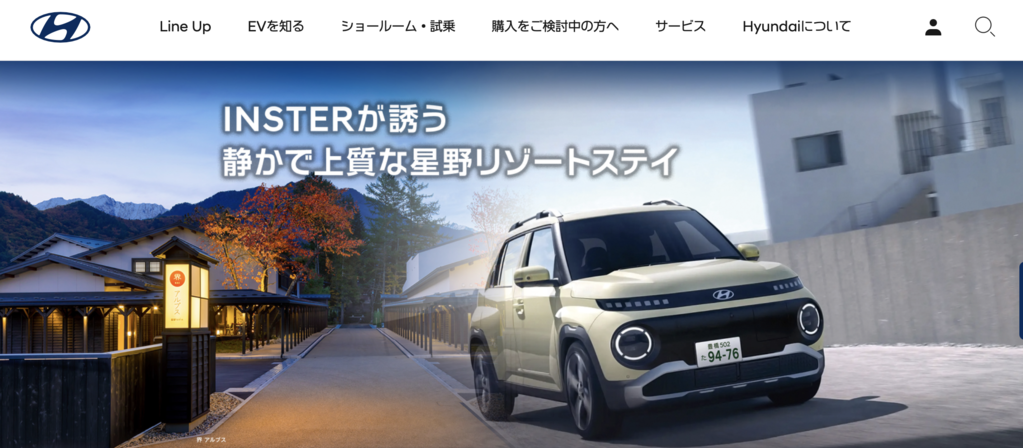
Hyundai Motor Company is expanding its digital footprint in the Japanese automotive market by introducing a new online-based vehicle purchase service. Operated through its local subsidiary, Hyundai Mobility Japan, the initiative aims to streamline the transition for customers moving from their current vehicles to new Hyundai models.
The new service focuses on a “trade-in” model, allowing customers to have their existing vehicles purchased by the company as part of the process of buying a new car. By leveraging an online platform, the company intends to modernize the vehicle acquisition experience, reducing the friction typically associated with traditional trade-ins in the region.
This strategic move comes as Hyundai continues to solidify its presence in Japan. After withdrawing from the passenger car market in 2009, the company re-entered the Japanese market in 2022 through the establishment of Hyundai Mobility Japan, which is headquartered in the Minato Mirai Center Building in Yokohama, Kanagawa Prefecture.
Modernizing the Trade-In Experience in Japan
The introduction of an online vehicle purchase service represents a shift toward digital transformation in a market traditionally dominated by physical dealerships and legacy processes. By integrating the trade-in process into a digital workflow, Hyundai is targeting a more seamless customer journey, particularly for those looking to upgrade to the brand’s latest electric and eco-friendly offerings.

The “trade-in” system is designed to simplify the financial and logistical burden on the consumer. Instead of selling a used car independently and then purchasing a new one, the online service allows for a consolidated transaction, potentially accelerating the adoption of Hyundai vehicles among Japanese consumers who are weighing the cost of switching brands.
Strategic Re-entry and Market Growth
Hyundai’s return to Japan is not merely about sales volume but about positioning itself as a leader in sustainable mobility. The company has spent the last three years building a reputation as a brand providing “the most reliable means of transport from point A to point B” in the form of eco-friendly vehicles.
The commitment to the Japanese market was further highlighted during the Japan Mobility Show 2025 held at Tokyo Big Sight. During this event, Hyundai showcased the second-generation model of its hydrogen fuel cell electric vehicle (FCEV), the “The All-New Nexo,” which was unveiled in the Japanese market for the first time on October 29, 2025.
Toshiyuki Shimegi, the head of Hyundai Mobility Japan, has emphasized the brand’s effort to provide peace of mind and reliability to its users. The company’s strategy involves overcoming the “unfamiliarity” of the brand through direct customer engagement; reports indicate that the company sees approximately 800 test drives per month, with a 5% contract conversion rate.
Expanding the Eco-Friendly Portfolio
Beyond the Nexo, Hyundai is focusing on a diversified lineup to capture various segments of the Japanese market. The “Inster” and other electric vehicle (EV) models are central to this strategy, aiming to penetrate the urban landscape of Japan where compact, efficient, and sustainable transport is highly valued.
The company’s infrastructure in Japan also includes a dedicated R&D center, ensuring that the vehicles and services offered are tailored to the specific needs and regulatory requirements of the Japanese consumer. This localized approach, combined with digital services like the new online purchase system, is intended to lower the barrier to entry for new customers.
Key Takeaways of Hyundai’s Japan Strategy
- Digital Integration: Launching online vehicle purchase (trade-in) services to simplify the transition to new Hyundai models.
- Market Re-entry: Successfully re-established operations in 2022 after a 13-year absence from the passenger car market.
- Sustainability Focus: Prioritizing FCEVs (like the 2nd Gen Nexo) and EVs to position the brand as a reliable eco-friendly choice.
- Localized Operations: Utilizing a Yokohama-based headquarters and a dedicated R&D center to adapt to the Japanese market.
Timeline of Hyundai’s Japanese Market Presence
| Year | Event/Milestone |
|---|---|
| 2009 | Withdrawal from the Japanese passenger car market. |
| 2022 | Re-entry into the market with the establishment of Hyundai Mobility Japan. |
| 2025 (Oct) | Unveiling of the 2nd generation Nexo at the Japan Mobility Show 2025. |
| 2026 | Introduction of online-based vehicle purchase (trade-in) services. |
As Hyundai continues to integrate digital services and launch next-generation hydrogen and electric vehicles, the company is moving toward a more comprehensive ecosystem for the Japanese driver. The next phase of growth will likely depend on the expansion of charging and fueling infrastructure and the continued adoption of its digital retail tools.
We welcome your thoughts on how digital trade-in services are changing the automotive landscape. Share your comments below or share this article with your network.
Related reading