
The fragile US-Iran ceasefire, established just days ago to avert a catastrophic escalation in the Middle East, is already facing severe strain. While the agreement has temporarily halted direct military strikes between the two nations, conflicting reports on the ground and ongoing regional violence suggest that the truce is far from stable.
The agreement comes after a period of intense volatility, following threats from President Donald Trump regarding the potential for “civilization destruction.” In a move to stabilize the region, the United States and Iran reached a temporary accord to suspend hostilities, though the parameters of the deal appear to be viewed differently by the opposing sides.
As a veteran journalist who has spent over 16 years analyzing international affairs and investigative reporting, I have seen many such “temporary” pauses in Middle Eastern diplomacy. Often, the success of these windows depends not on the announcement itself, but on the immediate, verifiable actions that follow. In this instance, the gap between official rhetoric and the reality on the ground is already widening.
A Fragile Truce and the Lebanon Flashpoint
The current ceasefire is designed as a short-term bridge to a more permanent resolution. President Trump stated on Tuesday evening that he agreed to “suspend the bombing and attack of Iran for a period of two weeks,” citing progress toward a “definitive Agreement concerning Longterm PEACE with Iran, and PEACE in the Middle East” Al Jazeera.
However, the definition of “peace” is already a point of contention. Iran has accused the U.S. Of violating multiple points of the agreement, specifically pointing to the ongoing Israeli military offensive in Lebanon. On Wednesday, Israeli strikes reportedly killed more than 250 people Al Jazeera. This surge in casualties has created a diplomatic rift, as both Iran and Pakistan—which has served as a mediator in recent talks—maintain that the ceasefire was intended to cover operations in Lebanon.
The discrepancy highlights a recurring issue in Middle East diplomacy: the challenge of coordinating a multi-party ceasefire when one side’s allies continue active combat operations. For the US-Iran ceasefire to hold, the parties must determine if the truce applies only to direct state-on-state conflict or extends to the broader network of regional proxies, and allies.
The Strait of Hormuz: Rhetoric vs. Reality
Another critical pillar of the agreement is the reopening of the Strait of Hormuz, a vital artery for global oil shipments. Early Wednesday, President Trump announced that the United States would assist with the “traffic buildup” in the strait, predicting “positive action” and stating that “Big money will be made” Al Jazeera.
Despite these optimistic assertions, maritime data suggests the strait remains largely closed. According to reports from Bloomberg, as few as three ships—out of hundreds typically expected—passed through the strait on Wednesday Bloomberg via X. This stark contrast between White House messaging and actual shipping traffic suggests that the logistical and security guarantees required to reopen the waterway have not yet been realized.
The economic implications of this bottleneck are significant. The Strait of Hormuz is one of the world’s most strategically important chokepoints; any prolonged disruption continues to threaten global energy price stability, regardless of the diplomatic language used in Washington or Tehran.
Diplomatic Efforts and the Path Forward
Despite the immediate friction, high-level diplomatic channels remain open. In a bid to solidify the terms of the ceasefire and move toward a long-term agreement, a senior U.S. Delegation is scheduled to travel to Pakistan. Vice President JD Vance, along with negotiators Steve Witkoff and Jared Kushner, are set to meet with Iranian officials this coming Saturday.
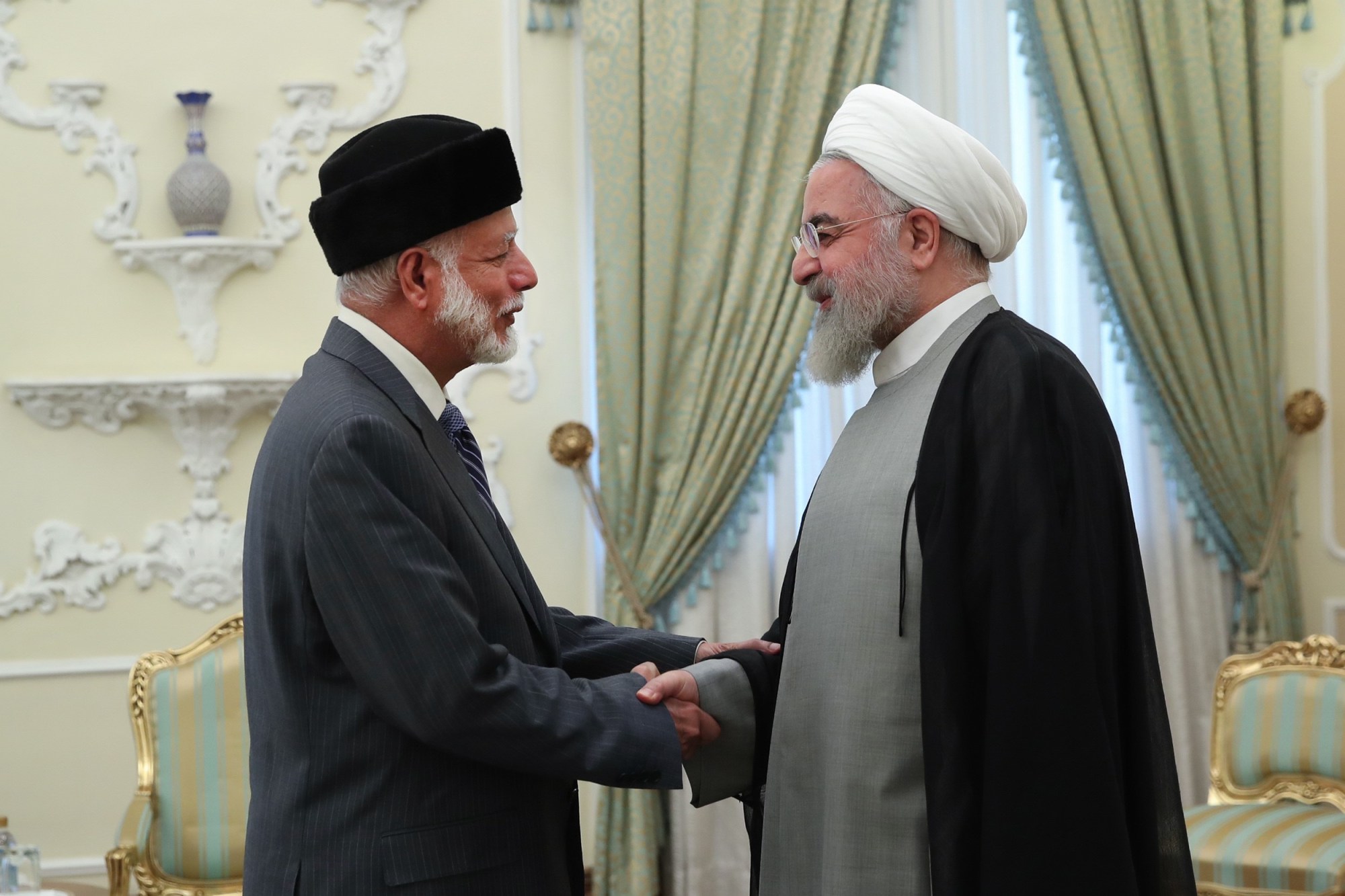
This meeting in Pakistan represents a critical juncture for the US-Iran ceasefire. The negotiators will likely need to address three primary objectives to prevent the truce from collapsing:
- Clarification of Scope: Establishing whether the ceasefire covers allied conflicts, specifically the Israeli offensive in Lebanon.
- Maritime Security: Creating a verifiable mechanism to ensure the safe and full reopening of the Strait of Hormuz.
- Verification Protocols: Addressing Iran’s accusations of U.S. Violations to rebuild basic trust between the two delegations.
The role of Pakistan as a mediator is noteworthy, providing a neutral ground for discussions that have historically been fraught with distrust. The success of the Saturday talks will determine whether the current two-week window leads to a sustainable peace or serves merely as a prelude to renewed hostilities.
Key Timeline of the Current Conflict Phase
| Date/Period | Event | Status/Outcome |
|---|---|---|
| Day 39 of Conflict | Ceasefire agreement reached before Trump’s deadline CNN | Temporary truce established |
| Tuesday, April 7 | Trump announces two-week bombing suspension | Aimed at long-term peace agreement |
| Wednesday, April 8 | Israeli strikes in Lebanon kill 250+ Al Jazeera | Ceasefire stability questioned |
| Wednesday, April 8 | Bloomberg reports only 3 ships in Hormuz Bloomberg | Waterway remains effectively closed |
| Saturday, April 12 | U.S. Delegation to meet Iran in Pakistan | Upcoming diplomatic checkpoint |
The international community remains watchful. For those following these developments, official updates from the U.S. State Department and verified maritime tracking services will be the most reliable indicators of whether this ceasefire is a genuine step toward peace or a tactical pause.
The next confirmed checkpoint is the meeting between Vice President JD Vance, Steve Witkoff, Jared Kushner, and Iranian officials in Pakistan this Saturday. The outcome of these talks will likely dictate the trajectory of Middle East security for the remainder of the month.
Do you believe a two-week window is sufficient to resolve decades of geopolitical tension? Share your thoughts in the comments below or share this report with your network to join the conversation.
- Karnataka Cabinet Reshuffle: 16 Congress MLAs Clash With Leadership as N.A. Harris Misses Out
- Senior Category Buyer: Salvare Salvato (Peoria, IL & Lafayette, IN)
- Trump’s Former Lawyer Clears Key Hurdle for Attorney General Role (world-today-news.com)
- US and Qatar Report Progress on Iran Ceasefire and Hormuz Strait Reopening (time.news)