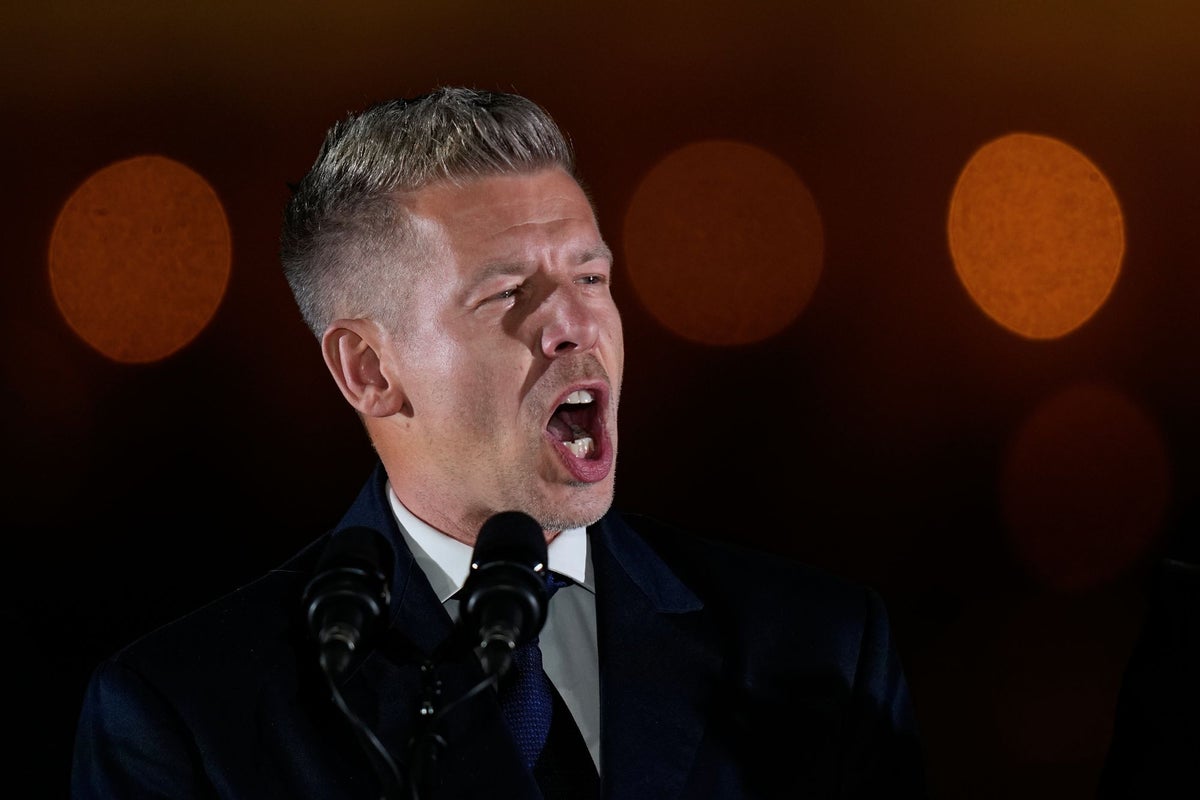
In a historic political shift, Hungary has undergone a seismic change in leadership as Hungary elections live updates confirm that Péter Magyar has won a decisive victory, ending the 16-year tenure of Viktor Orbán. The result, following the parliamentary elections held on April 12, 2026, marks the end of an era for the long-serving premier and the beginning of a new chapter for the Central European nation.
Péter Magyar, leader of the opposition Tisza party, secured a landslide win that has sparked widespread celebrations in Budapest and prompted a wave of jubilant reactions from across the European Union. In his victory speech, Magyar pledged to bring Hungary closer to the EU, signaling a departure from the isolationist and often confrontational approach that defined the Orbán administration.
The transition comes after years of tension between Budapest and Brussels. Viktor Orbán, often viewed as a direct threat to Europe’s peace and prosperity, frequently vetoed collective EU actions, including support for Ukraine following Russia’s all-out invasion, prioritizing national interests over strategies forged in Brussels according to The Guardian.
With Orbán conceding defeat, the international community is viewing this as a pivotal moment for European stability. The victory of the Tisza party is being framed not just as a national change in government, but as a victory for the broader European project and its shared democratic values.
A New Direction: Magyar’s Vision for Hungary
Péter Magyar has centered his immediate agenda on the restoration of democratic norms and the repair of international relations. Central to his platform is the promise to rebuild ties with the European Union and restore a system of checks and balances within the Hungarian government.
The scale of the victory was reflected in the streets of Budapest, where revellers sang the national anthem and waved EU flags to celebrate the Tisza party’s success as reported by The Guardian. For many, the election results represent a liberation from the authoritative style of governance that characterized the last 16 years.
Magyar’s ascent is seen as a direct response to the deep frustration felt by both the Hungarian electorate and EU member states. By pledging closer EU ties, the new Prime Minister intends to move Hungary away from the diplomatic friction that often stalled EU decision-making processes.
European Leaders React to the Landslide Victory
The reaction from EU capitals has been overwhelmingly positive, with leaders from across the continent hailing the result as a “new chapter” for the region. The sentiment that “Hungary has chosen Europe” has become a recurring theme in official statements from Spain, Poland, France, Britain, Denmark, Romania, and Sweden via The Guardian.
Spanish Prime Minister Pedro Sánchez expressed his support on X, stating, “Today Europe wins and European values win.” Similarly, Polish Prime Minister Donald Tusk celebrated the victory on social media, writing, “Hungary Poland Europe Back together! Glorious victory, dear friends! Ruszkik haza!” — with the latter phrase translating to “Russians, go home” as noted by The Guardian.
The Associated Press also highlighted the celebratory atmosphere, reporting that European leaders are welcoming the fall from power of the long-serving Viktor Orbán and the stunning victory of the Tisza party leader via AP News.
The Legacy of the Orbán Era
To understand the significance of Péter Magyar’s victory, one must look at the 16-year grip Viktor Orbán held over Hungarian politics. His tenure was marked by a strategic effort to advance national interests over the collective goals of the EU, often testing the system of governance meant to ensure peace through economic and political integration according to The Guardian.
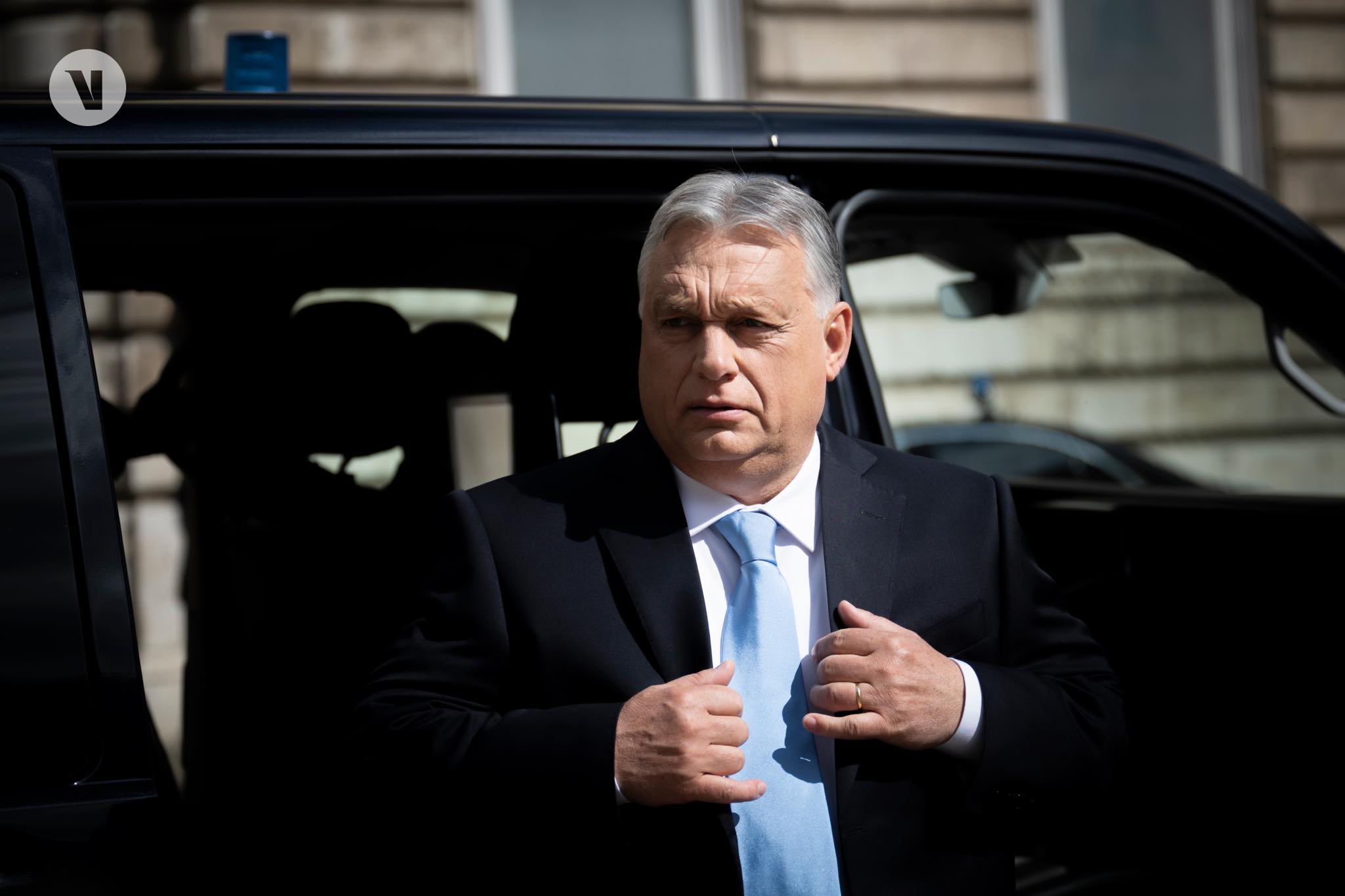
Orbán’s approach frequently put him at odds with the EU’s 27 member states and its institutions. His tendency to veto collective action—most notably regarding the support of Ukraine—created a persistent bottleneck in the EU’s ability to respond decisively to external threats. This friction contributed to the “deep frustration” that EU leaders expressed following the election results.
The transition of power is expected to significantly alter the geopolitical landscape of Central Europe, potentially removing a major obstacle to EU unity and strengthening the bloc’s collective stance on security and human rights.
Key Takeaways of the 2026 Hungarian Election
- Victory for Tisza Party: Péter Magyar won a decisive landslide victory in the parliamentary elections on April 12, 2026.
- End of an Era: Viktor Orbán’s 16-year rule has concluded after he conceded defeat.
- EU Relations: The new administration has pledged to bring Hungary closer to the European Union and restore democratic checks and balances.
- International Support: Leaders from Spain, Poland, and other EU nations have hailed the result as a victory for European values.
- Policy Shift: The victory is expected to end the frequent vetoes of collective EU actions that characterized the previous administration.
As Hungary prepares for this transition, the focus now shifts to the formal handover of power and the implementation of Magyar’s promises to rebuild the country’s international standing. The next official step will be the formalization of the new government and the appointment of cabinet members who will oversee the restoration of the system of checks and balances.
We invite our readers to share their thoughts on this historic shift in European politics in the comments section below.
Worth a look